Follow Us on Google

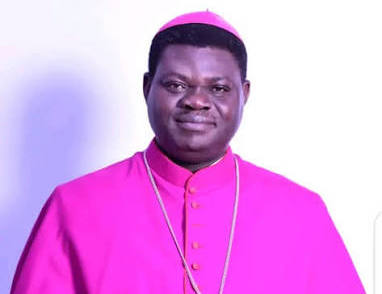
From Scholastica Hir, Makurdi
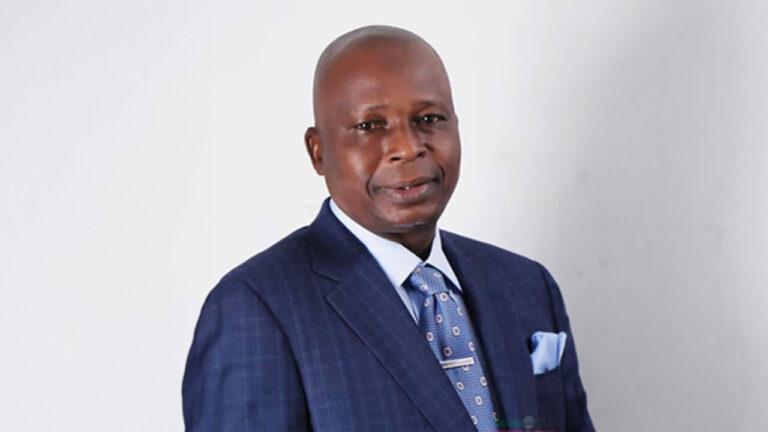
Catholic Bishop of Makurdi Diocese, Wilfred Anagbe, has accused politicians and other public figures of exploiting the plight of internally displaced persons (IDPs) for political campaigns and social media publicity while thousands of victims of insecurity continue to languish in camps without adequate food, shelter and other basic necessities.
The bishop lamented that displaced Nigerians, particularly those in camps across Benue State, were being presented as beneficiaries of resettlement efforts even as many remained homeless, hungry and unable to return to their ancestral communities.
Anagbe raised the concern on Sunday in his homily to the Catholic Diocese of Makurdi during the celebration of the Solemnity of Christ the King, where he challenged political and religious leaders to demonstrate genuine commitment to the welfare of vulnerable citizens rather than exploit their suffering for personal or institutional advantage.
Drawing attention to the conditions in IDP camps at Ortese, Naka, Daudu and other communities, the cleric said the continued displacement of families, separation of children from their parents and loss of livelihoods demanded practical intervention rather than public declarations of concern.
“Our Shepherd King calls us to help Him to build up His Kingdom of Justice, Love and Peace. He calls us to alleviate the distress of the suffering millions scattered round our streets and states in our country.
“In almost half of the states in Nigeria, there are Internally Displaced Peoples (IDP) Camps, displaced communities, fractured/dysfunctional families, traumatized children in search of their parents and some living without identity of who they are and where they are coming from,” he said.
The bishop, who used the suffering of displaced persons to illustrate Christ’s identification with the vulnerable, condemned what he described as the tendency to turn their predicament into political publicity without addressing their immediate needs.
“Jesus is telling us today: I am in the IDP Camps in Ortese, Naka, Daudu…, but you go about using my predicament for your political campaigns, telling people that I have returned to my ancestral home. You go about making social media content about me, while I languish in the camp.
“You seem so holy, so close to God. But I’m still very hungry and lonely and homeless, displaced and living under the weather,” Anagbe declared.
He maintained that genuine leadership must be measured by the protection of human dignity, provision of essential services and commitment to justice, particularly for people displaced by violence and other emergencies.
According to him, religious observance and public professions of faith would have little meaning unless accompanied by deliberate efforts to feed the hungry, shelter the homeless, care for the sick and restore hope to displaced families.
Reflecting on the significance of Christ the King, Anagbe described Jesus as a Shepherd King whose authority was founded on love, compassion and service rather than wealth, coercion or the pursuit of earthly power.
He said Christians seeking to advance Christ’s kingdom must recognise His presence in the suffering of vulnerable people and respond through practical acts of charity and justice.
The bishop also challenged political leaders to govern justly, protect citizens, uphold the law and guarantee freedom of conscience and worship, stressing that public office imposed responsibilities that could not be discharged through political pronouncements alone.
He warned that those entrusted with authority would ultimately be accountable for how they exercised power, particularly in their treatment of the poor and vulnerable.
Anagbe equally called for self-examination and accountability within the Church, insisting that religious institutions must acknowledge wrongdoing and address administrative and financial shortcomings rather than consider themselves beyond correction.
Citing the teachings of the 12th-century Catholic theologian, St. Nerses the Gracious Shnorhali, he said institutional integrity required truth, repentance and a willingness to undertake necessary reforms.
The cleric maintained that the Church and the State had distinct responsibilities and limits, adding that neither institution should abandon its obligations or interfere improperly in the affairs of the other.
On religious freedom, he said the Church must be allowed to practise its faith, proclaim the Gospel and administer its spiritual affairs, while adherents of other religions must equally enjoy the freedom to worship according to their conscience.
He described mutual respect among religious communities as essential to national unity and peaceful coexistence, warning against the misuse of religious authority or political influence in ways that undermine the common good.
Anagbe urged Nigerians, particularly those occupying positions of leadership, to embrace humility, acknowledge failures and accept legitimate accountability rather than place personal victories and institutional interests above the welfare of society.
He said the challenges confronting Nigeria and Benue State required a response grounded in compassion, justice and a willingness to confront difficult realities, rather than denial or despair.
As Christians prepared for the Advent season and the beginning of a new liturgical year, the bishop called for renewed commitment to the values of love, peace and service to humanity.
He maintained that the ultimate test of Christian faith was not the frequency of religious activities or the prominence of public professions of belief, but the practical demonstration of compassion towards those in need, stressing that everyone, irrespective of religious affiliation, would be judged by how they treated vulnerable members of society.