Follow Us on Google

The Secretary-General of the United Nations (UN), Antonio Guterres, has called for a significant increase in the funding of Sustainable Development Goals (SDGs) in developing countries. The UN scribe made the call against the backdrop of the failure of the global financial system to fully address the effects of the ongoing global crises, the COVID-19 pandemic, the Russia/Ukraine war and climate change challenges. He stated this at the launch of the SDG Stimulus.
Specifically, Guterres called for an increase of at least $500 billion annually in extra financing from the world’s most developed nations, to meet the crucial 2030 agenda for Sustainable Development. According to the UN Chief, “today’s poly crises are compounding shocks on developing countries—in large part because of an unfair global financial system that is short-term, crisis-prone, and that further exacerbates inequalities.
“We need to massively scale up affordable long-term financing by aligning all financial flows to the SDGs and improving the terms of lending of multilateral development banks.”
The SDG Stimulus aims, among others, to offset challenging market conditions faced by developing countries and accelerate progress towards achieving the SDGs, including through investments in renewable energy, universal social protection and decent job creation. Others include quality education, sustainable food systems, urban infrastructure, and digital transformation.
The call by the Secretary-General of the UN is quite in order. It is coming at a time when most of the developing countries, including Nigeria, are facing some challenges in meeting the 2030 Agenda for Sustainable Development. Therefore, we align with the UN Chief in urging the most developed countries to make available $500 billion annual stimulus for Sustainable Development Agenda in developing countries.
Doing so will enable these countries in Africa and elsewhere address rising poverty, hunger, poor health systems, low quality education and lack of affordable energy, water and unemployment. However, these countries, especially the resource-rich ones in Africa, must not rely on the SDG Stimulus to achieve the SDGs, which can be achieved through good governance and adequate deployment of state resources.
It is regrettable that since the adoption of the SDGs in September 2015 in the country, Nigeria has not done much in achieving the 17 Sustainable Development Goals, which include no poverty, zero hunger, good health and well-being, quality education, gender equality, clean water and sanitation, decent work and economic growth. Unfortunately, some of the programmes to alleviate poverty and hunger in the country are poorly implemented. Some of them are hampered by corruption.
We are still struggling in areas such as innovation and infrastructure, responsible consumption and production, climate action, peace, justice and strong institutions. It is sad that the government’s promise to reduce poverty cannot be kept as more and more Nigerians are entering the poverty net on a daily basis.
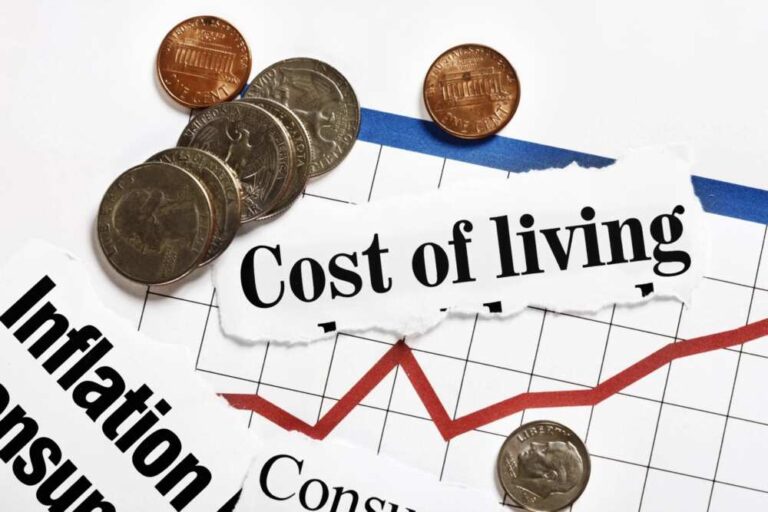
Available figures from the National Bureau of Statistics (NBS) show that about 133 million Nigerians are multi-dimensionally poor. The rising inflation in the country has exacerbated the prices of essential food items. The current cash crunch necessitated by the naira redesign policy has worsened the matter. That is why the government should make the new naira banknotes available.
There is no doubt that the number of poor people in Nigeria will likely increase if nothing is done now to halt the trend. With the brain drain in the health and education sectors, the country cannot achieve much in ensuring good health and well-being as well as the desired quality education. The nation’s power supply is still erratic despite billions of naira invested in the sector.
While expecting the SDG Stimulus, we urge the government to muster the political will towards achieving all the 17 SDGs before the 2030 deadline. The goals are achievable. We have the human and material resources to achieve the UN agenda.
With about few months to the end of this administration, there is little it can still do to achieve some of these sustainable development goals. Those that will come after this administration must give priority attention to achieving these goals, expected to put the country on the path of growth and development. For the country to witness the expected socio-economic development, Nigerians should have access to affordable healthcare, potable water, and quality education. All tiers of government should work together for Nigeria to achieve the SDGs.