Follow Us on Google
•Experts cite movement restrictions, tough borders as major barriers
Despite the relentless push by the Central Bank of Nigeria and other key agencies of government to realise the long-desired Eco currency for the West African bloc, trade and economic experts have expressed reservations about the readiness of many African nations to realise the lofty ambition.
They have cited persistent economic, political and structural challenges across the region.
While they concede that a common currency could enhance trade, investment and regional integration, they are concerned that conditions required for its successful implementation have not yet been fully established.
They noted that West Africa continues to grapple with limited free movement of people, goods and services, weak policy coordination and significant differences in economic performance among member states.
According to these experts, the region’s currencies are largely not freely convertible, while member countries operate under varying inflation rates, exchange rate regimes and fiscal policies. These disparities could undermine the stability and sustainability of a common monetary system.
The stakeholders stressed that Africa’s broader ambition of achieving deeper economic integration and eventually adopting a common currency faces substantial obstacles.
The continent remains fragmented, with more than 50 countries and over 30 currencies, many of which have limited convertibility and are subject to different monetary frameworks.
Speaking on the issue, trade expert, John Isemede, said regional integration cannot succeed without the free movement of people, goods and services across borders.
The former NACCIMA director general argued that Africa has yet to fully achieve these critical requirements.
According to him, successful economic integration requires strong political commitment, policy harmonisation and effective implementation of regional agreements.
“African economic integration cannot succeed without strong political integration and cooperation. Regional integration requires free movement of people, goods and services, which Africa has not fully achieved,” he said.
Other News
Drawing lessons from Europe, Isemede noted that the European Union established common trade rules, reduced tariffs and facilitated the movement of people and capital long before introducing deeper monetary integration through a common currency.
He added that ECOWAS continues to face challenges including language barriers between Anglophone and Francophone countries, trade restrictions and weak enforcement of regional agreements.
“The proposed Eco currency is unlikely to succeed soon because most West African currencies are not convertible and member countries have very different economic conditions,” he said.
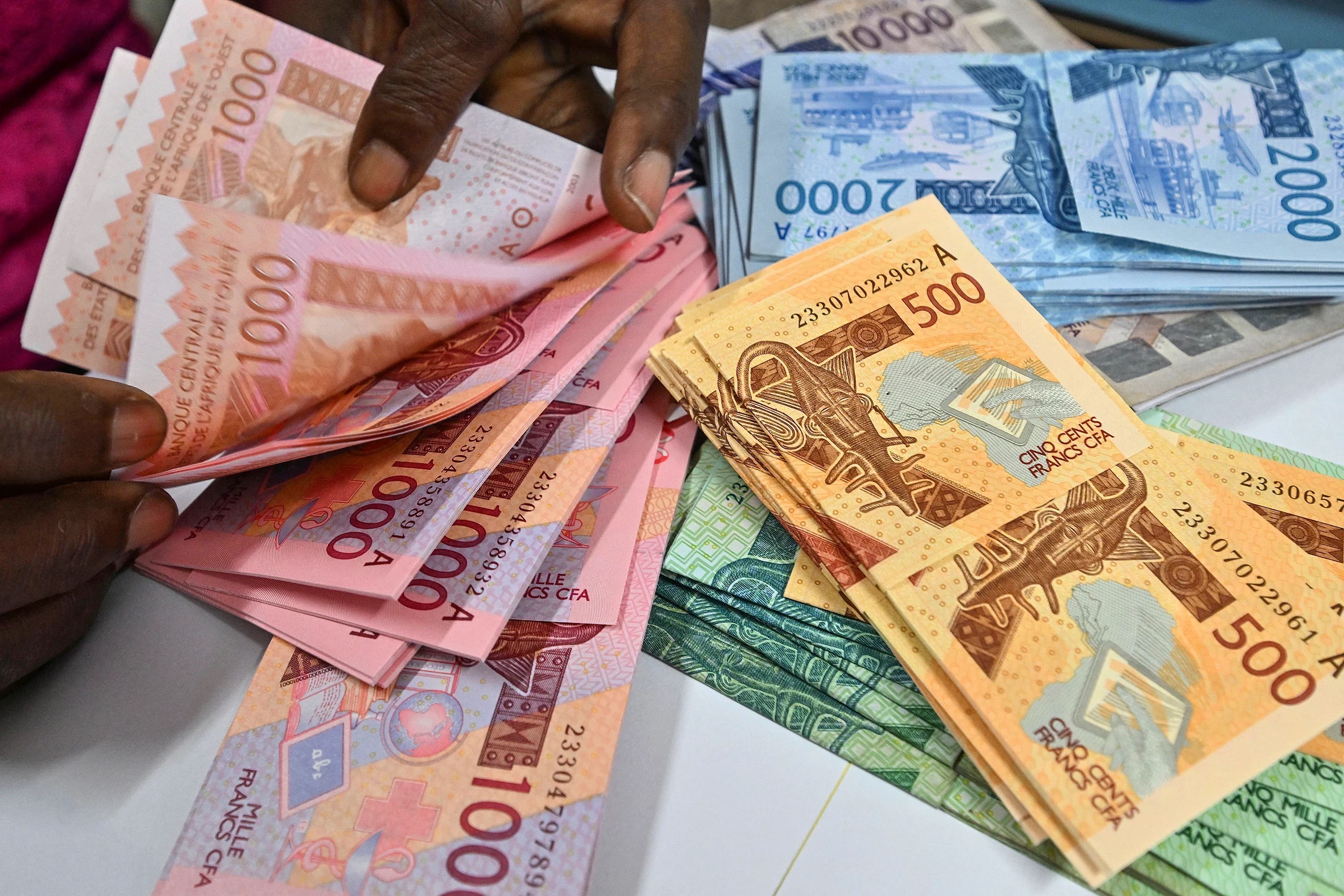
Isemede further explained that the continued use of the CFA franc by several Francophone countries, under arrangements linked to European monetary structures, adds another layer of complexity to efforts aimed at creating a unified West African currency.
He urged African leaders to focus on addressing practical political and economic challenges before pursuing ambitious monetary integration projects. On Nigeria’s export sector, Isemede explained why many exporters prefer receiving payments in United States dollars rather than naira. He said long-term export contracts denominated in naira expose exporters to significant exchange-rate risks whenever the local currency depreciates.
He illustrated that an exporter who signs a multi-year cocoa supply contract in naira could suffer substantial losses if the currency weakens significantly during the life of the agreement, as production costs would rise while contract earnings remain fixed.
Because of these risks, he said exporters often favour stable international currencies such as the US dollar to preserve the value of their earnings and protect profit margins.
Also speaking, the Chief Executive Officer of Rimax Group, Linus Okwara, warned that the Eco currency could face serious implementation and sustainability challenges if member states fail to achieve stronger economic convergence and policy coordination.
Okwara stressed that successful regional integration extends beyond the adoption of a common currency and requires deeper institutional cooperation, fiscal discipline and alignment of economic policies among participating countries.
He noted that Africa’s diversity in language, culture, governance systems and levels of economic development presents additional hurdles to the establishment of a unified monetary framework.
While acknowledging the long-term benefits of a single currency, including lower transaction costs and improved intra-African trade, Okwara maintained that West African countries must first strengthen economic cooperation, remove trade barriers and improve policy coordination before the Eco can become a practical reality.
The experts agreed that regional integration remains vital for Africa’s economic transformation. However, they insisted that achieving seamless cross-border trade, free movement and stronger political commitment should take precedence over plans for a common currency if the continent hopes to build a sustainable and effective monetary union.