Follow Us on Google
By Tayo Ogunbiyi
Nigeria first participated in the Olympic Games in 1952 and has since sent athletes to compete in all Summer Olympic Games, except for the boycotted 1976 Summer Olympics. Perhaps the peak of the country’s success in the Olympic Games was in 1996 when the national U-23 football team won the gold medal in the soccer event at the Games held in Atlanta.
However, the nation is currently experiencing a declining fortune in the sporting arena. It is sad that a country that once produced great boxers such as Dick Tiger, Obisia Nwakpa, Jeremiah Okorodudu, to mention just a few, has failed to produce enduring champions in the various categories of the sport in recent times.
In athletics, the story is the same. With the exit of great talents such as Innocent Egbunike, Mary Onyali, Chidi Imoh, Sunday Bada, Falilat Ogunkoya, among others, it is depressing to note that Nigeria is yet to produce equally talented world-class athletes in recent times.
The same goes for football, where Nigeria has missed two consecutive World Cup tournaments. There was a time when Nigerian footballers were the toasts of the soccer world. Then, we used to have up to six nominees among the ten footballers usually nominated for the annual African Footballer of the Year Award. Indeed, the high point of the country’s dominance in African football was when Rashidi Yekini, Emmanuel Amuneke, Victor Ikpeba and Kanu Nwankwo won the title in successive order. Other sports such as lawn tennis, table tennis, wrestling, volleyball, basketball, etc. are not exempt from the rot that currently pervades the nation’s sporting landscape.
The maiden EKO 2026 National Intermediate Games is designed to change that narrative. Scheduled to be held from October 1 to 15, 2026, in Lagos, the historic sporting event represents a major step towards strengthening Nigeria’s sports development ecosystem by providing a national platform for young athletes to compete, gain visibility and prepare for higher levels of sporting excellence.
The decision to host the inaugural Games in Lagos reflects the state’s longstanding reputation as Nigeria’s sports capital.
Over the years, Lagos has demonstrated the capacity to host major sporting events, supported by its infrastructure, organisational experience, youthful population and vibrant sporting culture. From football competitions to athletics championships and national events, the state has remained at the centre of Nigeria’s sporting development.
Beyond its physical facilities, Lagos possesses the human capacity required to deliver a successful national competition. The state’s experience in event management, transportation coordination, hospitality and security provide a strong foundation for the successful hosting of the Games.
More than a championship, the Games are positioned as a strategic investment in the future of Nigerian sports — a talent discovery initiative aimed at identifying, nurturing and empowering the next generation of national and international sporting stars.
The significance of the Games lies in their timing and purpose. While Nigeria has consistently produced athletes capable of competing on the global stage, the need for a structured transition between grassroots sports and elite competition has remained a major concern.
EKO 2026 seeks to bridge that gap by focusing attention on athletes at the intermediate level — young talents who possess the potential to become future champions but require the right environment, exposure and support to achieve their dreams.
The competition will bring together promising athletes from across the country, creating a platform where skill, discipline and determination will converge. It will also provide coaches, talent scouts and sports administrators with an opportunity to identify emerging talents capable of representing Nigeria in future continental and global competitions.
The concept behind the National Intermediate Games reflects a growing recognition that sustainable sporting success does not happen overnight. Behind every Olympic medalist, world champion or professional athlete is a journey that begins with early identification, consistent training and exposure to competitive environments.
Countries with strong sporting traditions have invested heavily in youth development systems that allow athletes to progress through clearly defined stages. EKO 2026 represents a similar vision for Nigeria — creating a deliberate pipeline where young athletes can move from school and grassroots competitions into national and international sporting arenas.
The Games will feature a wide range of sporting disciplines, including athletics, basketball, boxing, cycling, football, gymnastics, swimming, table tennis, tennis, taekwondo, volleyball, weightlifting, wrestling and other recognised sports.
The inclusion of multiple sporting categories is significant because it broadens opportunities beyond the country’s traditionally dominant sports. It gives young Nigerians with talents in less-publicised disciplines a chance to showcase their abilities and attract the attention required to advance their careers.
Many of Nigeria’s greatest sporting achievements have emerged from grassroots discoveries. Athletes who eventually became national heroes often began their journeys in school competitions, community tournaments and local sporting events.
Other News
By bringing together the country’s brightest young talents, the Games will create an environment where athletes can test themselves, learn from competition and develop the confidence required for future challenges.
It will also provide coaches with the opportunity to assess emerging talents and develop strategies for improving Nigeria’s performance in international competitions.
The long-term objective is clear — to create a stronger foundation for Nigeria’s sporting future.
The Games also align with the broader vision of using sports as a tool for youth empowerment, social development and economic opportunity.
For young Nigerians, sports represents more than recreation. It provides a pathway to scholarships, careers, international recognition and personal development.
Through initiatives such as EKO 2026, young athletes are encouraged to embrace discipline, teamwork, resilience and excellence — values that extend beyond the sporting arena.
The event will also promote national unity by bringing together young athletes from different states and backgrounds. At a time when Nigeria continues to seek opportunities that strengthen social bonds, sports remains one of the strongest platforms for promoting friendship, cooperation and shared identity.
Athletes, officials, coaches and supporters converging in Lagos will create a unique atmosphere of cultural exchange and national integration.
Beyond its sporting objectives, EKO 2026 is expected to generate significant economic activities. Large-scale sporting events stimulate growth across several sectors, including hospitality, transportation, tourism, event management, retail and entertainment.
Hotels, restaurants, transport operators and local businesses are likely to benefit from increased activity as participants and visitors arrive from different parts of the country.
The Games also provide an opportunity to showcase Lagos as a destination capable of hosting major national and international events.
With its rich culture, entertainment industry and diverse attractions, Lagos can leverage the competition to strengthen sports tourism and attract greater interest in future sporting investments.
As Lagos prepares to host the country’s next generation of sport stars, expectations are high. The event represents an opportunity to rewrite Nigeria’s sporting development story by placing young athletes at the centre of national ambition.
For many participants, EKO 2026 could become the turning point that transforms a childhood passion into a professional sporting journey.
While medals and records will naturally attract attention during the Games, the deeper significance of EKO 2026 lies in its long-term impact on athlete development.
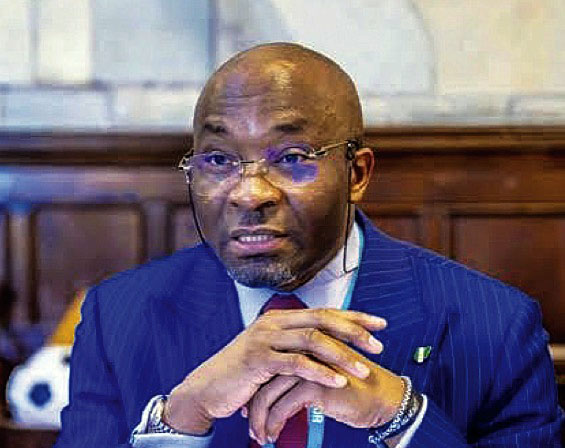
.Ogunbiyi is Director, Public Enlightenment and Community Relations, Ministry of Information & Strategy, Alausa, Ikeja
• Ogunbiyi is Director, Public Enlightenment and Community Relations, Ministry of Information & Strategy, Alausa, Ikeja