Follow Us on Google
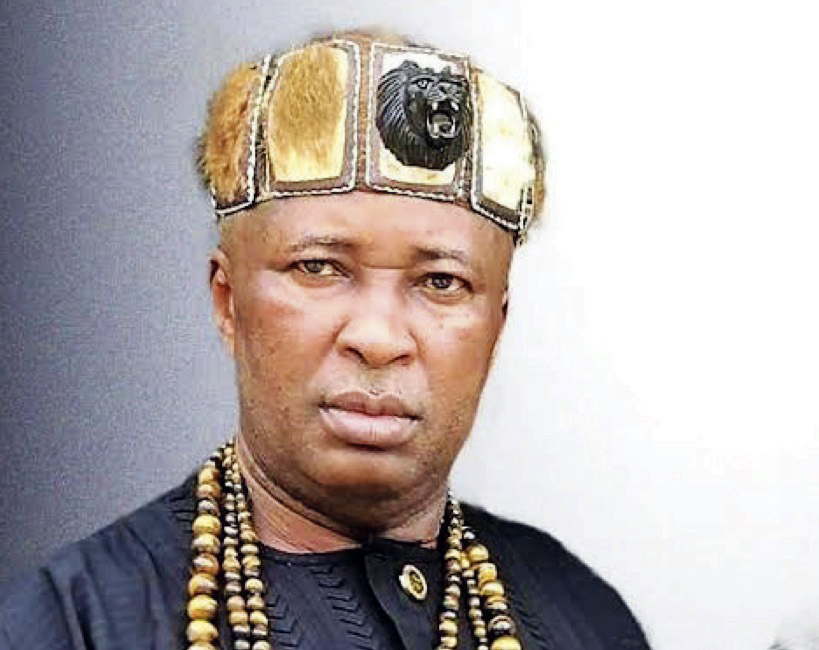
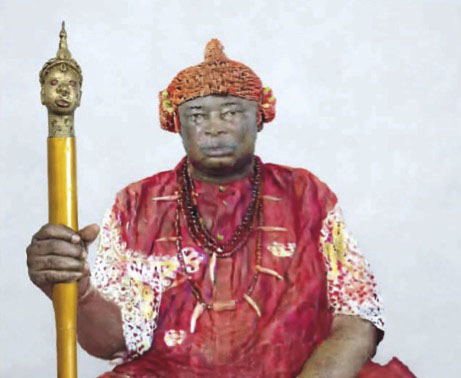
The Okeosisi Ezeani 11 of Ovuorie Kingdom in Nkanu East Local Government Area of Enugu State, His Royal Majesty, Igwe Denis Okafor, has commended recent efforts aimed at strengthening the structure and cultural identity of Igbo leadership in Diaspora.
While reacting to the abolishment of the title of Eze-ndigbo in Diaspora by the Southeast Council of Traditional Rulers, Igwe Okafor, who is the patron/National Coordinator, National Association of Ndindu Ndigbo N’Uzo Ije (National Association of Igbo Leaders in Diaspora), praised the chairman of Southeast Council of Traditional Rulers, His Royal Majesty, Eze Emmanuel Okeke, for his instrumental role in facilitating the transition from the title of Ezendigbo to Onyendu Ndigbo.
He said the adoption of Onyendu Ndigbo represents a more refined and dignified designation for Igbo cultural leaders operating outside the traditional homeland. He noted that titles carry not just symbolic value but, also, institutional weight, and influences how leadership is perceived, both within and beyond the community.
Eze Okeke said the shift aligns with evolving cultural expectations and the need for a more unified identity among Igbo leaders in Diaspora settings. He further emphasised that the success of the transition would depend heavily on adherence to established traditional governance frameworks, particularly the directives and guiding principles of the Southeast Council of Traditional Rulers.
Igwe Okafor advised the newly structured leadership to operate within these parameters to ensure legitimacy, cohesion, and sustained respect for Igbo customs and authority systems.
In addition to commending the reform, Igwe Okafor acknowledged the leadership of the National Chairman of Ndindu Ndigbo in Diaspora, High Chief Aloy Obi (JP). He credited Obi’s administration with stabilising and unifying the association, especially in diaspora communities, where fragmentation has historically weakened collective influence.
Other News
He said, “The progress made under the leadership of Aloy Obi reflects a deliberate effort to foster inclusivity, strengthen institutional frameworks, and promote a shared cultural vision among Igbo people worldwide. I also want to use this opportunity in my capacity as National Patron and International Coordinator to extend my congratulations to Ambassador Bianca Onoh, on her elevation to the position of Minister of International Affairs. Her appointment is a significant milestone, not only for her, personally, but for the broader Igbo nation. I have absolute confidence in her capacity to represent Nigeria with distinction on the global stage, and I have offered prayers for divine wisdom, strength, and integrity in the discharge of her duties.”
Eze Okeke advised that there should be increased collaboration between traditional authorities and formal governmental institutions, adding that cultural diplomacy is becoming an increasingly important tool in international relations. He suggested that leaders, like Ndindu Ndigbo, can serve as cultural ambassadors to bridge the gaps between indigenous identity and global engagement.
He also advocated for the institutionalisation of leadership training and ethical standards within Igbo associations abroad.
He said that strengthening accountability mechanisms and promoting merit based leadership selection would be critical in sustaining the credibility of the new structure.
“This is no doubt an epic moment in the annals of Igbo culture. The transition to Onyendu Ndigbo, when supported with strategic leadership and adherence to traditional authority structures, would signal a renewed commitment to unity, dignity, and cultural preservation, and if effectively implemented, these reforms have the potential to reposition Igbo leadership in diaspora as a cohesive and influential force, both within Nigeria and on the international stage”, Igwe Okafor said.