Follow Us on Google
By Philip Nwosu
The Economic Community of West African States (ECOWAS) has renewed calls for enhanced regional collaboration to tackle terrorism, maritime crime, and transnational organised threats, as five West African countries pledged support for Nigeria’s proposed Combined Maritime Task Force (CMTF).
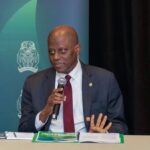
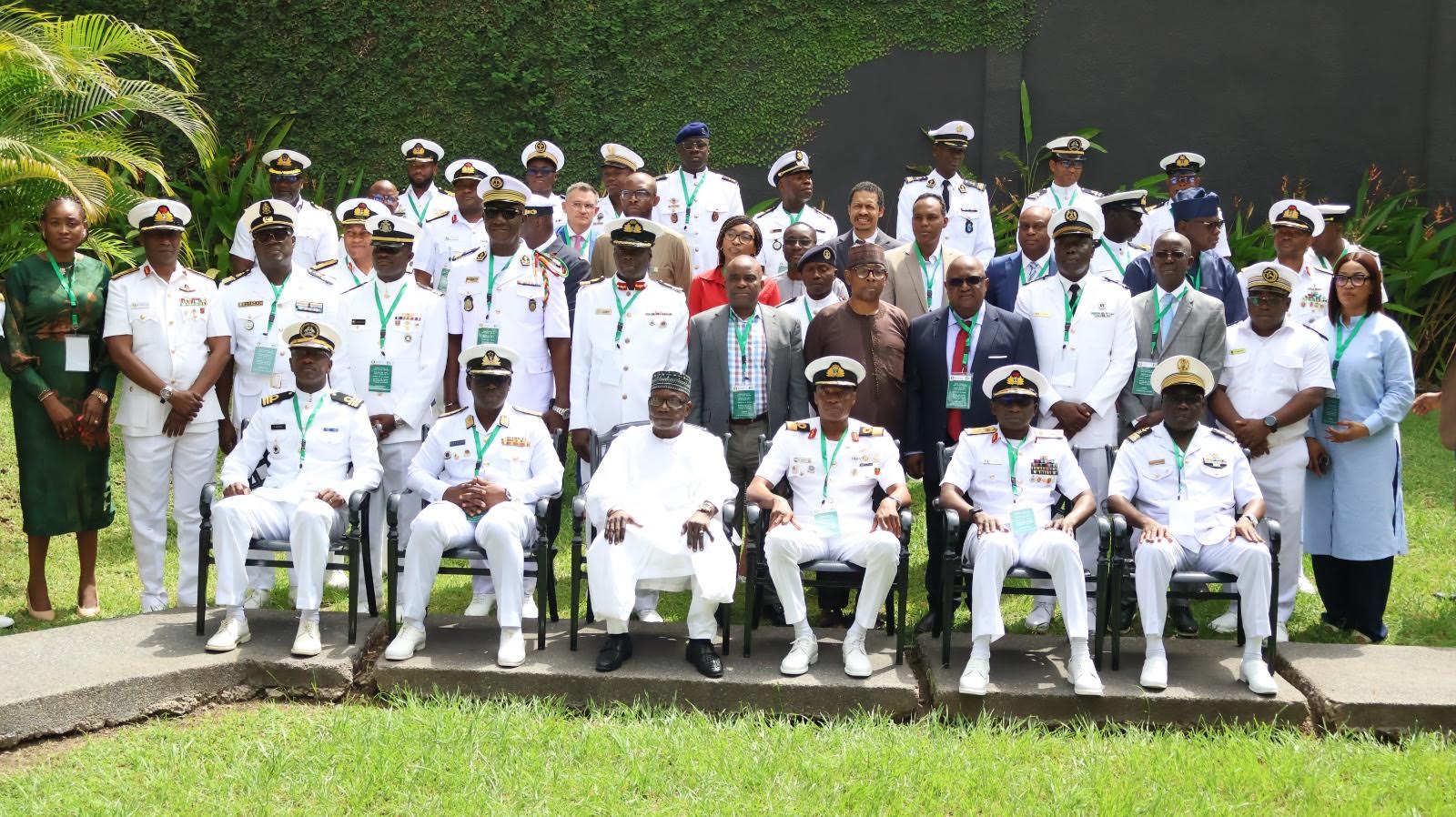
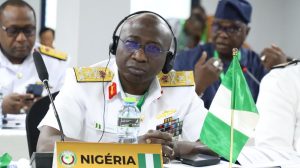
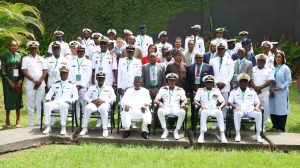
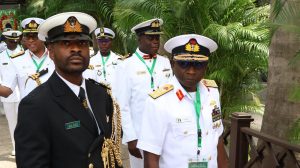
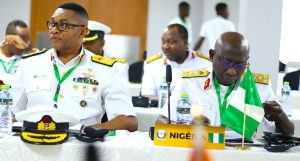
A statement from the Nigerian Navy spokesman, Navy Captain Abiodun Folorunsho, quoted the ECOWAS Commissioner for Political Affairs, Peace and Security, Ambassador Abdel-Fatau Musah, as making the call at the Fifth Meeting of the ECOWAS Sub-Committee of Chiefs of the Naval Staff held in Ghana from February 16 to 20, 2026.
Musah stressed the need for stronger security linkages between coastal and landlocked nations, particularly Burkina Faso, Mali, and Niger, noting that terrorism and organised crime transcend maritime and territorial boundaries.
He highlighted threats such as drug trafficking and illegal, unreported, and unregulated fishing, describing them as interconnected challenges requiring coordinated intelligence-sharing and joint operational responses.
The Commissioner commended progress recorded under the ECOWAS Integrated Maritime Strategy, including Operation SAFE DOMAIN in Zone E, Operation ANOUANZE in Zone F, and joint patrols conducted in MMCC Zone G.
Other News
Musah also praised Nigeria’s deployment of the FALCON EYE Surveillance System, describing it as a critical asset in combating maritime criminality in the Gulf of Guinea. He further urged member states to develop strategies to address the environmental and security implications of declining water levels in the Lake Chad Basin.
In a major development, five countries—Côte d’Ivoire, The Gambia, Ghana, Liberia, and Sierra Leone—formally expressed interest in joining Nigeria to operationalise the CMTF, following approval by the Committee of Chiefs of Defence Staff.
The task force, scheduled to be officially launched in Lagos from May 31 to June 1, 2026, is designed as a rapid-response coalition capable of addressing complex maritime threats across the region. It will rely on intelligence from maritime coordination centres under the Yaoundé Architecture to enhance regional security coordination.
Nigeria’s Chief of the Naval Staff, Vice Admiral Idi Abbas, represented the country at the high-level meeting. His engagements, according to participants, reinforced Nigeria’s leadership role in advancing collective maritime security.
Nigeria has committed significant assets to the CMTF, including three naval ships, one helicopter, eight vehicles, and a temporary operational office in Lagos, a move widely commended by delegates.
Admiral Abbas reaffirmed the Nigerian Navy’s commitment to working with partner navies under the Yaoundé Code of Conduct, pledging sustained collaboration, improved operational synergy, and the development of African-led solutions to maritime insecurity in the Gulf of Guinea and the wider West African maritime domain.
Stakeholders at the meeting expressed optimism that the CMTF would strengthen the collective security architecture and provide a more coordinated response to emerging maritime and transnational threats in the region.