Follow Us on Google
From Fred Ezeh, Abuja
The Nigeria Centre for Disease Control and Prevention (NCDC) has heightened surveillance and reviewed Nigeria’s preparedness measures following the confirmation of an imported case of Ebola disease in Kenya.
The case, caused by the Bundibugyo virus, was confirmed by the Kenyan authorities on October 6, 2026, after a Kenyan citizen who had been living in the Democratic Republic of Congo (DRC) travelled by road from the DRC to Kampala, Uganda, before flying to Nairobi.
According to the NCDC, the patient was isolated and tested positive for the virus but subsequently died.
In a statement signed by its Director-General, Dr Jide Idris, on Wednesday, the agency said the development had introduced a new dimension to the ongoing regional Ebola situation and underscored the risk of international importation through travel and population movement.
The agency, however, stressed that there is no confirmed case of Ebola disease in Nigeria as of October 6, 2026.
NCDC said it had been closely monitoring the ongoing outbreak of Ebola disease caused by Bundibugyo virus in the DRC and assessing its potential implications for Nigeria.
“Since the outbreak was first reported in the DRC, NCDC, working with the Federal Ministry of Health and Social Welfare, Port Health Services, State Governments and other stakeholders, including partners, has taken steps to strengthen Nigeria’s preparedness for Ebola disease,” Idris said.
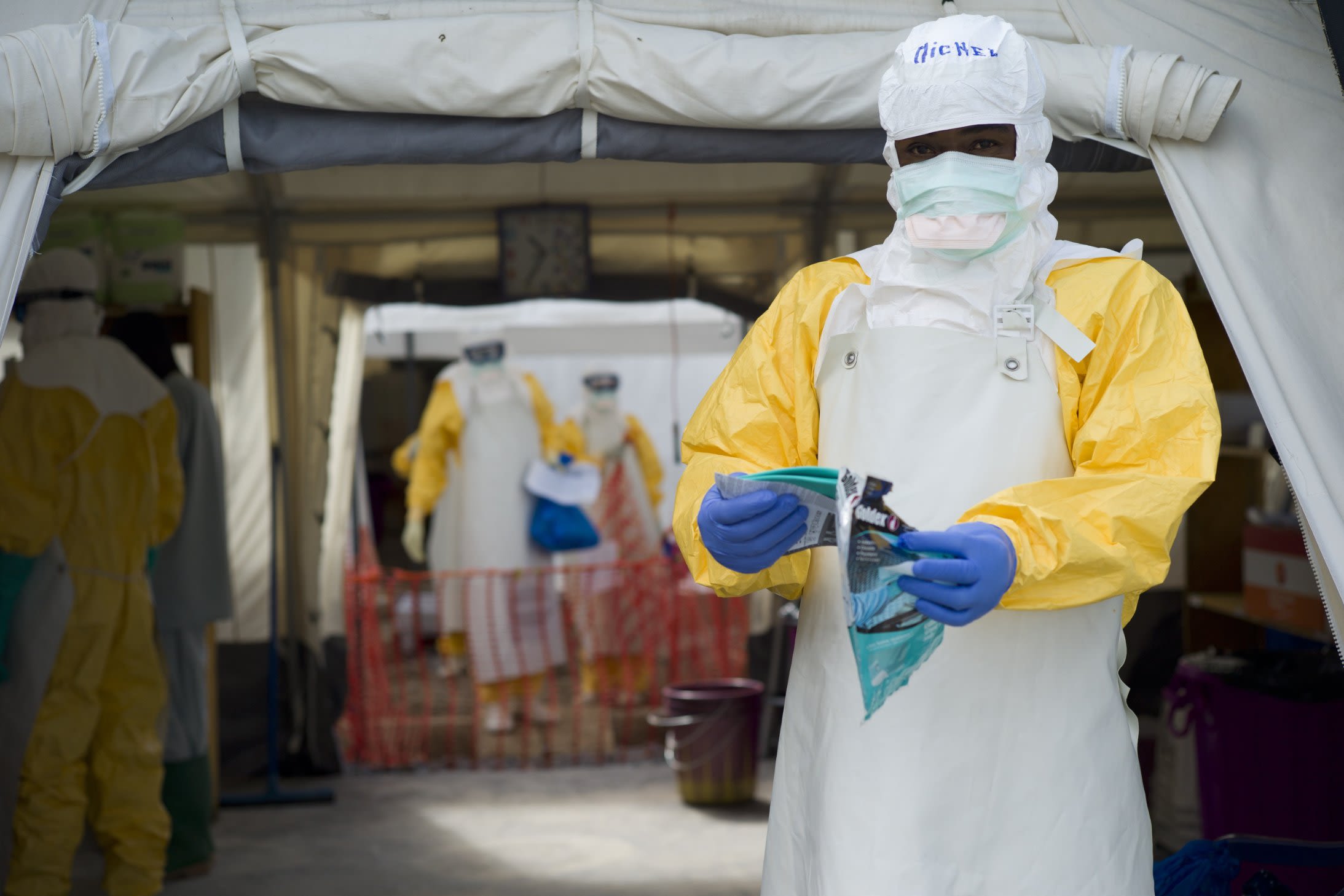
He explained that the preparedness measures had focused on early detection, isolation and referral, laboratory diagnosis, infection prevention and control, contact tracing, risk communication and protection of healthcare workers.
He added that a National Ebola Preparedness Tabletop Simulation exercise had also been conducted to test response arrangements and identify gaps requiring attention.
Following the confirmation in Kenya, Idris said NCDC was reviewing the risk to Nigeria and existing preparedness measures to ensure they remained appropriate to the evolving regional situation.
The agency, he said, would adapt and strengthen the measures where necessary in collaboration with national and subnational authorities and development partners.
NCDC urged Nigerians to remain calm but vigilant, advising the public to practise regular hand hygiene, avoid direct contact with the blood or body fluids of sick persons, and avoid contact with bodies of people who died from unknown illnesses.
It also advised Nigerians to avoid handling sick or dead wild animals and consuming raw or improperly prepared bushmeat.
The agency urged anyone who becomes unwell, particularly after recent travel to an affected country or area or contact with a suspected or confirmed case, to seek care promptly at a recognised health facility.
Healthcare workers were similarly advised to maintain a high index of suspicion when assessing patients with compatible symptoms and relevant travel or exposure history within the preceding 21 days.
NCDC warned that early symptoms of Ebola could resemble common febrile illnesses and urged health workers not to wait for bleeding before considering Ebola in patients with compatible symptoms and relevant epidemiological history.
The agency also advised travellers to and from affected areas to remain vigilant and monitor their health for 21 days after leaving an affected area.
“Finally, Nigeria’s experience with Ebola underscores the importance of early detection and rapid response in preventing onward transmission,” Idris said, urging state governments, healthcare workers and the public to remain vigilant and support ongoing preparedness efforts.
He said further updates would be provided as the regional situation evolves.