Follow Us on Google
By Doris Obinna
In a region where the majority of medicines are still imported and access to quality drugs remains uneven, a growing consensus is emerging among policymakers, industry leaders and health experts: West Africa must take control of its pharmaceutical future or risk perpetual vulnerability.
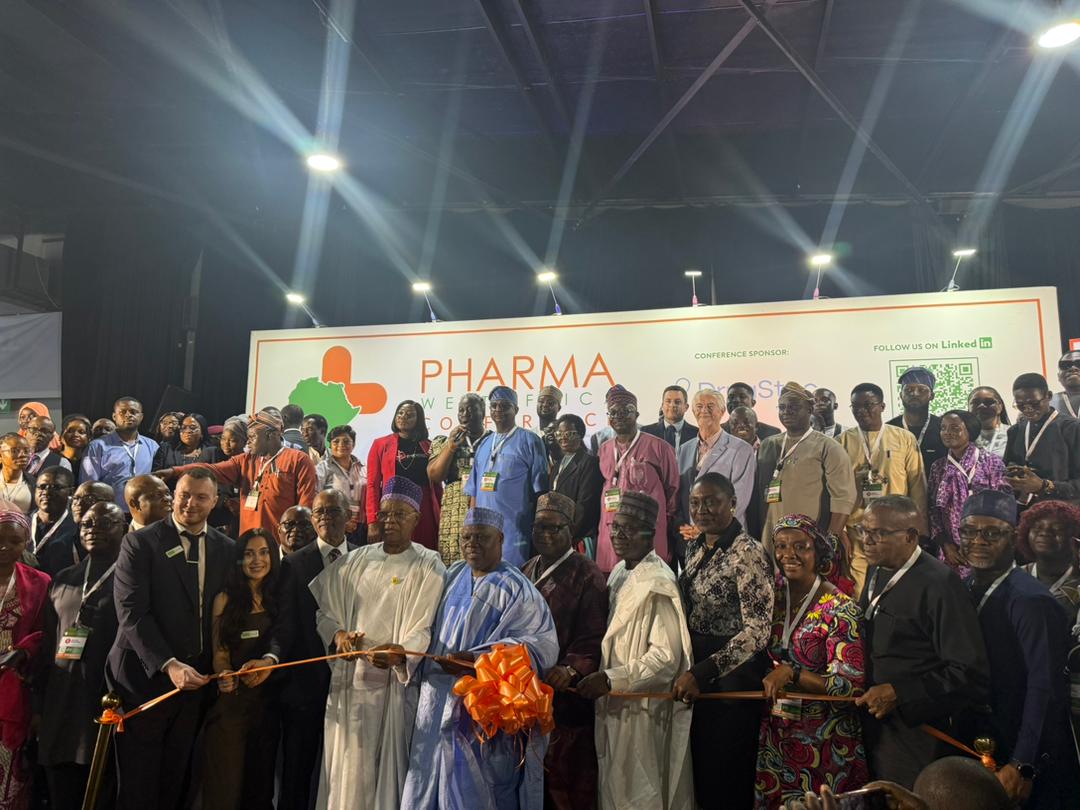
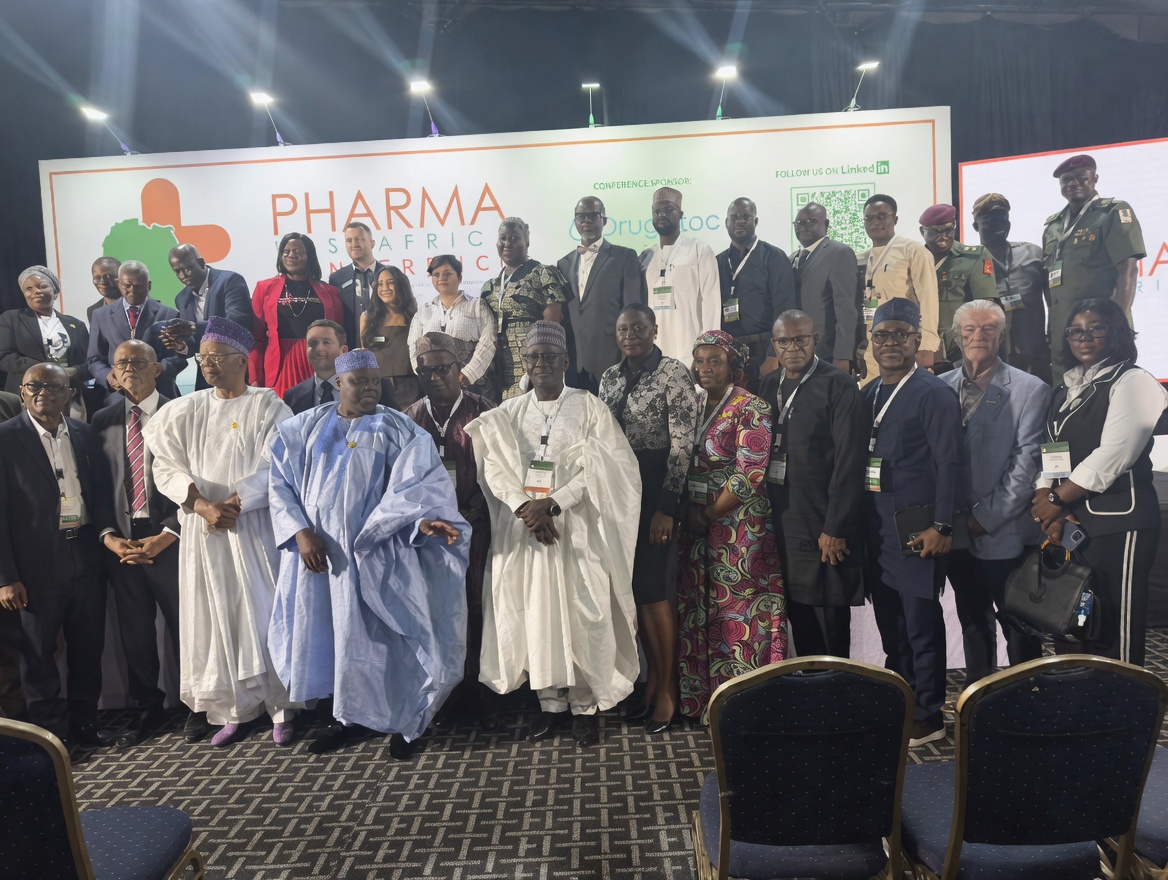
That urgency reverberated through at the recent Pharma West Africa Exhibition and Conference in Lagos, where stakeholders gathered to exchange ideas and confront what many described as a defining moment for the region’s healthcare systems.
At the heart of the discussions were a critical issue; drug safety and pharmaceutical self-sufficiency and the recognition that both are deeply intertwined. Without the capacity to produce, regulate and distribute its own medicines, the region’s ability to guarantee safe, effective and affordable treatment remains fragile.
Under the theme, “Pharmaceutical Supply Chain Strengthening for Self-Sufficiency in West Africa,” the gathering evolved beyond a routine industry conference into a rallying point for reform. Stakeholders underscored a stark reality; without a reliable, locally driven pharmaceutical system, the region’s health security remains dangerously exposed.
President, Pharmaceutical Society of Nigeria (PSN), Ayuba Ibrahim, warned: “Any nation that cannot guarantee access to safe and quality medicines has left its healthcare security to chance. West Africa must move decisively from dependence on imported pharmaceuticals to building resilient local systems capable of ensuring both drug safety and sustainable supply.
“The region has relied heavily on foreign manufacturers for essential medicines, a dependence that was brutally exposed during the COVID-19 pandemic. When global supply chains fractured and countries turned inward, African nations found themselves at the back of the queue for life-saving vaccines and treatments.”
Building strong pharmaceutical manufacturing base still slow
Former Minister of Health, Julius Adelusi, recalled: “When COVID-19 came, the world was not looking for luxury items. They were looking for vaccines. Yet Africa could not produce its own. That is the reality of our dependence.
“Nigeria, with a population of over 200 million, still has only about 130 pharmaceutical manufacturing facilities far below what is required for self-sufficiency. In contrast, countries like India have built thousands of manufacturing units, positioning themselves as global suppliers of generic medicines. Ambition without execution will not deliver drug safety or security. It is not what we say in conferences that matter. It is what we build afterward.”
Beyond manufacturing, emphasised that drug safety is not simply about producing medicines locally. It is about ensuring that every pill, syrup or injection-reaching patients meets strict standards of quality, efficacy and authenticity. “This requires robust regulatory systems, efficient supply chains and a coordinated approach to healthcare delivery,” they stated.
Participants pointed to the opportunities presented by the African Continental Free Trade Area, which offers a market of over one billion people. Harmonising drug regulations and quality standards across countries could unlock cross-border trade and enable local manufacturers to scale production beyond national markets.
The conference also highlighted the role of institutions such as the Pharmacy Council of Nigeria (PCN) in strengthening regulatory frameworks and ensuring quality across the pharmaceutical value chain. Representatives emphasised the need for consistent oversight, professional training, and adherence to global standards as the industry expands.
Diagnosis and drug safety
Lagos State Commissioner for Health, Akin Abayomi, said: “For years, malaria has been over diagnosed in Nigeria, leading to widespread misuse of antimalarial drugs. But new data from Lagos show that only about five per cent of fevers are actually caused by malaria a revelation that has triggered a major policy shift.
Other News
“Under the new approach, patients are required to undergo rapid diagnostic testing before receiving treatment. This has significantly reduced unnecessary prescriptions and improved the quality of care.
“Drug safety is not just about having medicines available,” Abayomi explained. “It is about ensuring that the right medicines are used appropriately. When we treat without proper diagnosis, we compromise safety.”
He underscored the critical role of community pharmacies and patent medicine vendors, who serve as the first point of care for a majority of Nigerians: “Integrating these providers into formal health systems, he argued, is essential for improving access, data collection and quality assurance. The challenge, however, extends beyond clinical practice to the structure of the pharmaceutical market itself.”
Chief Growth Officer and Director of the Board, Maisha Meds International, Oladimeji Okulaja, said: “Between 70 and 95 per cent of medicines consumed in Africa are imported, despite the presence of local factories, trained professionals and raw materials. The problem is not a lack of capacity but a lack of integration.
“We have built supply without securing demand. Manufacturers cannot plan because they do not have reliable demand signals. Pharmacies operate outside formal systems. Governments cannot regulate what they cannot see,”
He described the pharmaceutical ecosystem as consisting of three critical layers; service delivery, financing and production, which currently operate in silos. Without connecting these layers, efforts to improve drug safety and expand local manufacturing will continue to fall short.
Leveraging health insurance
A key part of the solution, Okulaja suggested, lies in leveraging health insurance systems to create predictable demand for medicines. “When patients are covered by insurance and transactions are digitised, data can be generated to guide production, financing and policy decisions.
“This, in turn, can unlock investment, improve supply chain efficiency and ensure that quality medicines reach those who need them.”
Highlighting the importance of regional collaboration, stakeholders called for harmonised drug standards across West Africa to facilitate trade and strengthen regulatory oversight. Institutions such as the World Health Organisation (WHO) and national agencies like National Agency for Food and Drug Administration and Control (NAFDAC) were identified as key players in ensuring that medicines circulating within the region meet global standards.
Chairman, Planning Committee, Ahmed Yakasai, described the gathering as more than an annual event, calling it a movement aimed at transforming healthcare in West Africa.
“We have seen what dependence looks like. Now we must build systems that are resilient, competitive and capable of standing on their own,” he said.
Stakeholders urged governments to prioritise pharmaceutical manufacturing as a matter of national security, invest in infrastructure, support local industries and enforce regulations that eliminate counterfeit and substandard drugs.
They also called on private sector players to expand capacity, embrace innovation and collaborate across borders, while urging healthcare professionals to uphold the highest standards of practice.
Underlying all these recommendations, experts added that access to safe medicines is not a luxury, but a fundamental pillar of public health and national development.
West Africa stands at a crossroads. One path leads to continued dependence, vulnerability and fragmented systems. The other points toward self-sufficiency, stronger institutions and a future where drug safety is guaranteed. Which path the region takes will depend not on the speeches delivered in conference halls, but on the decisions made and the actions taken long after the applause has faded.