Follow Us on Google
By Steve Agbota
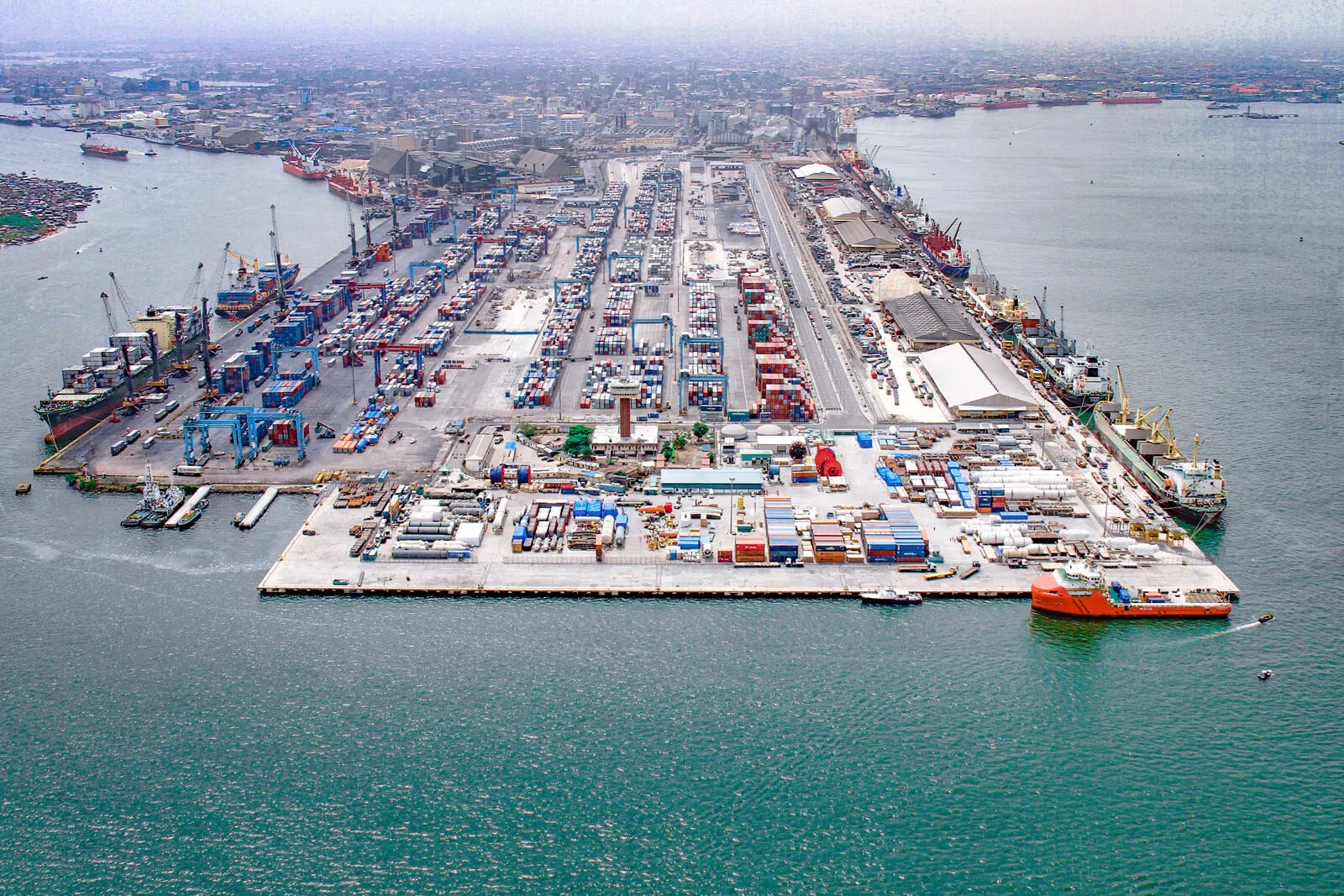
The Association of Professional Freight Forwarders and Logistics of Nigeria (APFFLON) on Thursday expressed serious concern over the Draft Implementation Guidelines for the Container Indemnity and Insurance Scheme (CIIS), warning that it would increase the cost of doing business at the nation’s seaports.
The association warned that the framework, in its current form, would negatively impact Nigeria’s maritime economy and undermine ongoing efforts to reduce port costs during the implementation of the CIIS.
In a statement released by the National President of APFFLON, Frank Ogunojemite, the association said that while it acknowledges the Federal Government’s commitment to eliminating the container deposit regime and strengthening container management, a detailed review of the draft guidelines reveals provisions that could significantly increase the cost of doing business at Nigerian ports.
According to APFFLON, the draft places excessive operational, financial, and legal responsibilities on freight forwarders, including total liability for container custody, trucking selection, insurance procurement, and third-party risks.
The association warned that this approach departs from international best practices and unfairly overburdens one segment of the maritime value chain.
Other News
APFFLON also expressed concern over the concentration of wide regulatory, enforcement, and insurance-selection powers in a single clearinghouse administrator, noting that such a structure may encourage monopoly, limit competition, and reduce transparency within the sector.
The association further cautioned that rising logistics and compliance costs could result in cargo diversion to neighbouring ports, leading to loss of national revenue, reduced cargo throughput, and job losses across the maritime industry.
These outcomes, APFFLON noted, are inconsistent with the federal government’s Marine and Blue Economy agenda and the policy objective of reducing port-related charges.
In light of these concerns, APFFLON has formally called on the Minister of Marine and Blue Economy to suspend the current draft and convene an inclusive stakeholder engagement process aimed at producing a balanced, cost-effective, and globally competitive container indemnity framework.
APFFLON reaffirmed its readiness to collaborate with the ministry and relevant agencies to develop reforms that protect indigenous operators, promote trade facilitation, and strengthen Nigeria’s position as a maritime hub in the region.