Follow Us on Google
From Noah Ebije, Kaduna
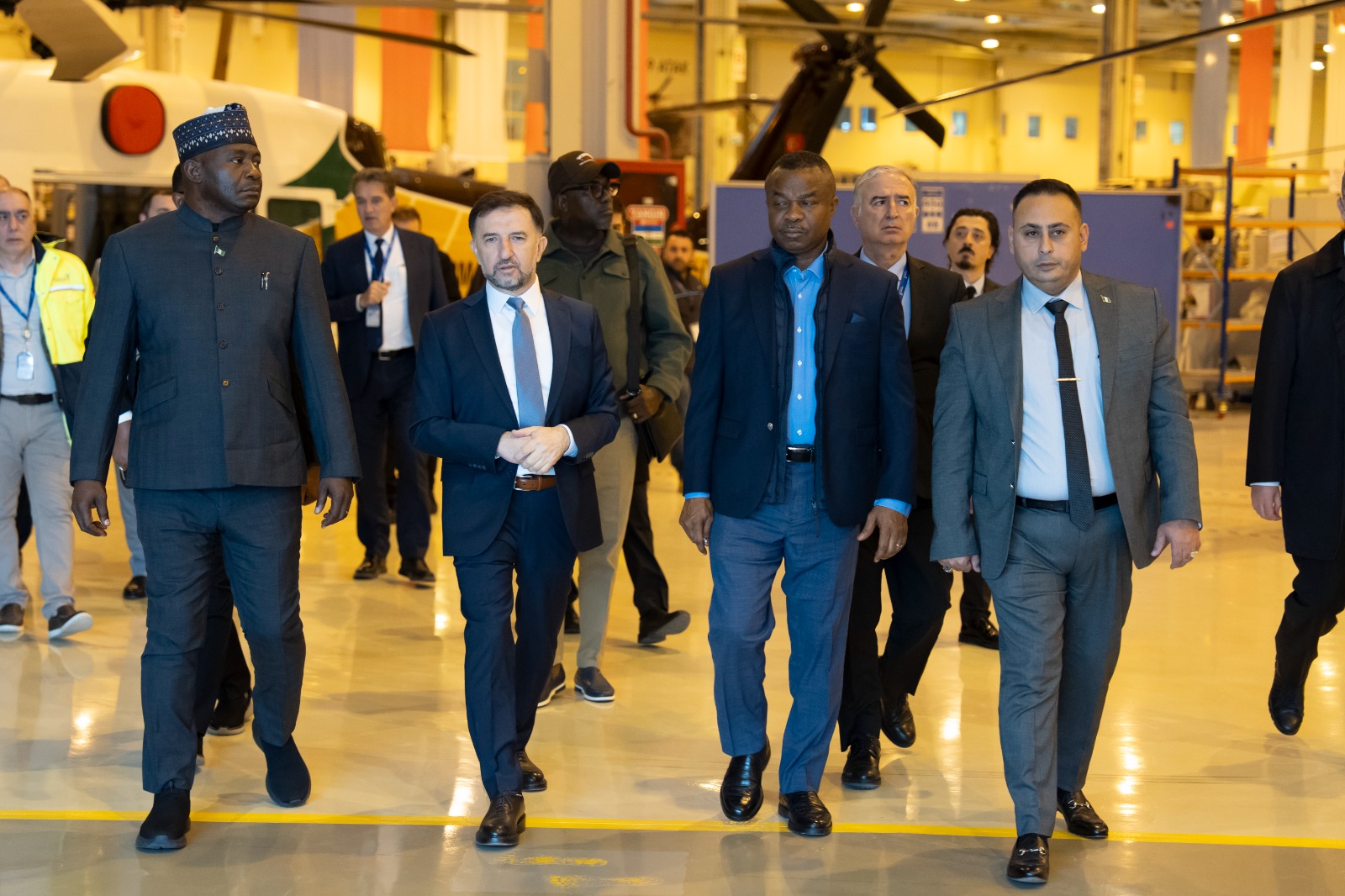
Nigeria’s drive to reposition itself as a continental defence manufacturing hub took international spotlight in Ankara, Turkey, during President Bola Ahmed Tinubu’s recent state visit, as the Defence Industries Corporation of Nigeria–D7G (DICON-D7G) emerged as a central feature of high-level diplomatic and technical engagements.
In a statement made available to our Correspondent on Wednesday, the Chief Executive Officer of DICON-D7G, Mr Osman Chennar, described President Tinubu’s visit as a watershed moment in Nigeria’s defence and industrial policy, signalling a decisive shift from decades of dependence on foreign arms procurement to indigenous production, co-development and structured technology transfer.
“This visit represents a clear policy direction by the Federal Government to transition Nigeria from a buyer of defence solutions to a producer and partner in global defence manufacturing,” Chennar said.
According to the statement, the Ankara engagements went beyond ceremonial diplomacy, offering a strategic platform for DICON-D7G to present Nigeria’s evolving defence-industrial capabilities to Turkish defence authorities, industry leaders and policymakers.
During a series of closed-door technical sessions and strategic briefings, the Nigerian delegation outlined current and emerging capabilities across small-arms production, ammunition assembly, armoured vehicle platforms, equipment maintenance, overhaul and refurbishment, as well as a growing research and development portfolio.
“Nigeria is no longer starting from scratch,” the statement noted. “DICON-D7G is building on existing institutional capacity while accelerating innovation, quality assurance and industrial scale.”
The statement added that Turkish defence executives from both government-owned and private sector institutions engaged Nigerian officials on critical issues, including production standards, scalability, sustainability, localisation and the strategic importance of sovereign capability in modern defence planning.
Chennar was said to have held extensive consultations with the Minister of Defence, Gen Christopher Musa (retd.), officials of Turkey’s Presidency of Defence Industries, and senior Nigerian military leaders, including the Chief of Air Staff.
“We are aligning Nigeria’s defence-industrial ambitions with global best practices while ensuring that production, skills and value remain anchored in Nigeria,” Chennar said, stressing that the focus remained on practical, measurable outcomes.
He added that technology transfer and workforce development were central to the corporation’s long-term strategy.
“True security comes from knowledge, skills and the ability to sustain capability locally. That is the direction DICON-D7G is pursuing,” he said.
Other News
Reaffirming the Federal Government’s commitment to strengthening domestic defence production, the Minister of Defence said indigenous capability had become a strategic necessity rather than an option.
“Nigeria’s security environment demands self-reliance, speed and sustainability,” Musa stated. “Building and maintaining our own defence-industrial base is critical to meeting present and future challenges.”
The statement said DICON-D7G’s participation in the Ankara engagements underscored a broader policy shift from transactional procurement to partnership-driven collaboration, with emphasis on resilient supply chains, local value addition and sustainable manufacturing, in line with President Tinubu’s economic diplomacy agenda.
“This approach ensures that defence spending supports industrial growth, job creation and long-term economic resilience,” it added.
Discussions during the visit reportedly extended beyond hardware acquisition to include military doctrine, lifecycle support, training systems and responsible manufacturing practices, positioning defence not merely as a security function but as part of an integrated industrial ecosystem.
A Turkish defence industry representative described Nigeria as “a serious partner with long-term industrial vision,” noting that the country’s market size and commitment to localisation presented strong opportunities for mutually beneficial cooperation.
Analysts observed that Turkey’s transformation from a defence importer to one of the world’s fastest-growing defence exporters provided a compelling reference point for Nigeria’s aspirations.
“Turkey’s experience shows that consistent policy, investment and partnership can rapidly transform national defence capacity,” the statement quoted an industry analyst as saying.
According to DICON-D7G, outcomes expected from the Ankara engagements include deeper local content development, stronger and more reliable supply chains for the Armed Forces, enhanced technical capacity and the retention of defence spending within the Nigerian economy.
As President Tinubu’s delegation concluded its engagements in Ankara, DICON-D7G said its participation conveyed a clear strategic message: that Nigeria’s national security priorities are increasingly intertwined with industrial self-reliance, global partnerships and the pursuit of sovereign defence capability.