Follow Us on Google
• Black marketers vanish •OPEC mulls oil production cut
By Uche Usim, Abuja
The pronouncement of an end to the subsidy regime by President Bola Ahmed Tinubu last Monday may have started yielding fruits, Daily Sun can report.
Multiple sources at various borders said the number of tankers ferrying petrol has appreciably dropped since Tinubu jolted Nigerians with the obituary announcement of subsidy in his inaugural address.
The Nigerian National Petroleum Company Limited (NNPCL) immediately reacted to the announcement with an upward adjustment in petrol price from N184/litre to as high as N570/litre, depending on the jurisdiction.
More so, black marketers have vanished from the streets of Abuja as petrol assumes a more realistic price, having been stripped of the subsidy support.
According to a popular trader in Jibia border in Katsina who craves anonymity, tankers carrying petrol used to pass through that corridor to Niger almost on an hourly basis, but not anymore. “You would think there is a project going on there requiring petrol. But it’s the fuel from Nigeria that is being sold across the border. The tankers are usually escorted by armed security personnel but since five days now, I can only count about five trucks. The number has really reduced drastically”, he said.
In Benin Republic, Nigeria’s smuggled petrol, though considered as contraband, is called “kpayo” and consumers are already bracing for harder times following President Bola Tinubu’s decision to end the party.
In Cameroon’s North West region, petrol smuggled from Nigeria is known as “Funge” or “Zoa Zoa”, but lamentations from members of the syndicate on social media already foretells that the days of cheap petrol are over.
This is despite the fact that Cameroon is one of Africa’s biggest oil producers producing over 70,000 barrels of crude daily in 2019.
Members of the petrol smuggling cartel are lamenting that the new development in Nigeria has direct consequences on the prices of gasoline in their territories as it shuts the door against smuggling.
The development has also lifted the lid on decades of financial hemorrhage the subsidy racket has caused the country.
More so, a comparative price analysis of petrol in Nigeria and West African markets shows some sort of convergence, making smuggling an economically injurious undertaking.
The price differential is no longer a sufficient motivation to engage in trans-border smuggling, which in itself attracts huge operational costs.
According to Global Petrol Prices, a petrol retail price tracking platform, the difference in price of petrol between Nigeria and Benin Republic is about N150 and about N200 per litre for some other West African nations.
According to the Group Chief Executive Officer of the Nigerian National Petroleum Company Limited (NNPCL) Mr Mele Kyari, subsidy has remained a blooming criminal enterprise because Nigeria subsidizes its petrol.
“When a marketer hauls a full tanker to the North for sale, profit margins could hover around N250,000 but taken across the border, the subsidised petrol can turn in a profit of over N30 million.
“This incentive has fuelled the widespread smuggling of subsidised petrol from Nigeria across West Africa. Investigations have shown that Nigeria’s petrol goes as far as Sudan”, he said in a recent television interview.
Dr Ahmed Adamu, a Petroleum Economist, said that consumer losses are expected but not inevitable even if a future date of the subsidy removal was announced.
According to him, the final removal of petroleum subsidy in Nigeria remains a welcome development as market forces will dictate fuel prices.
According to NNPC’s figures, over 20 million litres of petrol is smuggled outside Nigeria daily. The sale of smuggled petrol across the West African sub-region sustains a black market network and distorts the price mechanisms.
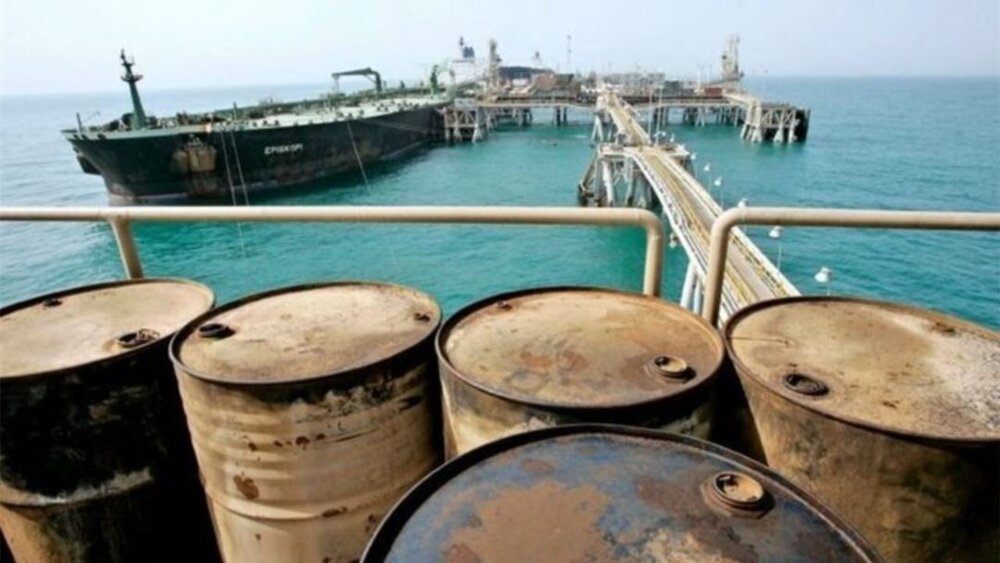
Meanwhile, the Organization of Petroleum Exporting Countries (OPEC) and its allies began two days of meetings on Saturday that may culminate in further production cuts of as much as 1 million barrels per day.
According to Reuters, the group faces flagging oil prices and a looming supply glut.
OPEC held a separate brief meeting on Saturday, but ministers made no comment on possible policy decisions afterwards.
The three sources said cuts could amount to 1 million bpd on top of existing cuts of 2 million bpd and voluntary cuts of 1.6 million bpd, announced in a surprise move in April and which took effect in May.
If approved, this would take the total volume of reductions to 4.66 million bpd, or around 4.5% of global demand.
“This number is premature, we didn’t go into these things (yet),” Iraq’s oil minister Hayan Abdel-Ghani said prior to the meetings, when asked about a possible cut of 1 million bpd.
Typically production cuts take effect the month after they are agreed, but ministers could also agree to a later implementation. They could also decide to hold output steady.
Western nations have accused OPEC of manipulating oil prices and undermining the global economy through high energy costs.
The West has also accused OPEC of siding too much with Russia despite Western sanctions over Moscow’s invasion of Ukraine.
In response, OPEC insiders and watchers have said the West’s money-printing over the last decade has driven inflation and forced oil-producing nations to act to maintain the value of their main export.