Follow Us on Google

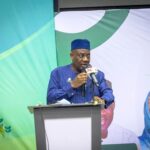
Nigeria’s 27th Democracy Day will be marked across the country today with lofty speeches by political actors and other stakeholders on the essence of democracy and other related matters. The day also marks the third year of the Renewed Hope Agenda of the present administration. Speaking at an event in Abuja to commemorate the occasion, the Minister of Information and National Orientation, Mohammed Idris, said Democracy Day is a historic moment for national reflection, accountability and celebration of the sacrifices that secured democratic governance in the country.
It is also a day to remember, Chief MKO Abiola, the symbol of Nigeria’s democratic struggle, and acknowledge the contributions of pro-democracy activists and other patriotic Nigerians in the struggle to restore democratic rule in 1999. Abiola made history by winning the June 12, 1993, election, which has been described as the fairest and freest in the history of the country. Even when the election was annulled by the military, Abiola fought for the restoration of his mandate and was not even afraid to die in the process. Abiola exhibited uncommon heroism in our democratic struggle, which eventually culminated in the restoration of democratic rule in the country in 1999.
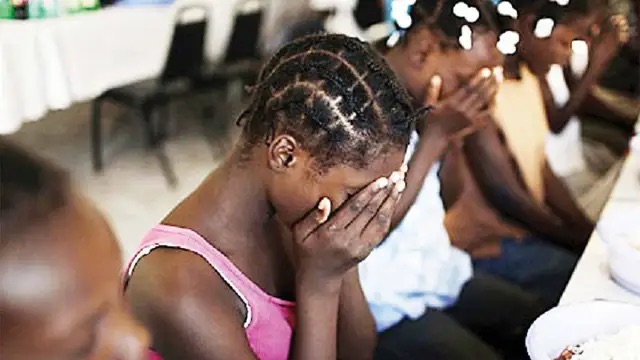
Therefore, the 27th Democracy Day offers our political leaders an opportunity to reflect on the lessons and significance of the June 12 struggle and use them to chart the way forward for the country. Our leaders should show more commitment to building a progressive and united Nigeria where no one is oppressed. With biting economic hardship, general poverty, and abduction of schoolchildren across the country, this year’s celebrations should be low-keyed. Instead of flamboyant festivities, the occasion calls for sober reflection on our democratic journey since 1999.
The first lesson is that democracy thrives on mutual trust between the people and their leaders. The 1993 election proved that citizens possess an immense capacity for collective action when they genuinely believe in the integrity of the system. Today, we must bridge the growing disconnect between the governed and those who govern. Unfortunately, our recent elections have been characterized by rigging, manipulation, violence, vote-buying and other electoral infractions. Also, the low voter turnout in recent elections raises deep concerns about the future of our democracy. Our political leaders must realise that true authority cannot be imposed through political maneuvering. It must be earned through self-less service, patriotism and care for the masses. When politicians prioritise public trust over partisan victories, they reinforce the very foundations of our democracy.
Other News
June 12 stands as a reminder of the power of national unity over parochial interests. In 1993, Nigerians transcended divisive rhetoric to back a unified national vision that promised progress across all geographic zones. Unfortunately, modern political strategies occasionally succumb to the temptations of regionalism, ethnic bias, and religious sentiment. This short-sighted approach to politics does not augur well for our democracy and unity. Let our political leaders resolve to emphasise those things that unite the country rather than those that divide us. Nigeria’s diversity should be our strength and not weakness.
Politicians must lead the charge in strengthening accountability in government and ensuring that the laws of the land apply equally to all citizens regardless of status, political alignment and religion. Let our democratic institutions be strengthened.
The Democracy Day reminds us of the urgent need to address the economic hardship, poverty and unemployment in the country. Government must ensure that democracy dividends reach all Nigerians. Our leaders must focus on policies that will stimulate massive job creation, support small-scale businesses, and alleviate hunger across the country. We call on our leaders to prudently manage our resources and ensure the security and welfare of the masses.
The political process requires the participation of the citizens. They must ask questions and demand accountability from the leaders. Democracy Day calls for reflection on the stewardship of those in power. Our politicians should strive to leave behind worthy legacies. The current challenges facing Nigeria require pragmatic and exemplary leadership. As the nation reflects on its democratic journey, leaders should shift from a mindset of mere political survival to one of impactful leadership. It is sad that our politicians have not learnt enough lessons in our 27 years of unbroken democracy. Our politics has been overtly monetized, with certain positions going to the highest bidder as portrayed in the recent compromised party primaries. Let the politicians go to the drawing board and think of the nation first before other things. Moving forward, our politicians should emulate the exemplary leadership of Ahmadu Bello, Nnamdi Azikiwe, Obafemi Awolowo and other patriots. Democracy Day celebration can only be relevant if our votes count during elections and if all Nigerians are treated fairly and equally.