Follow Us on Google
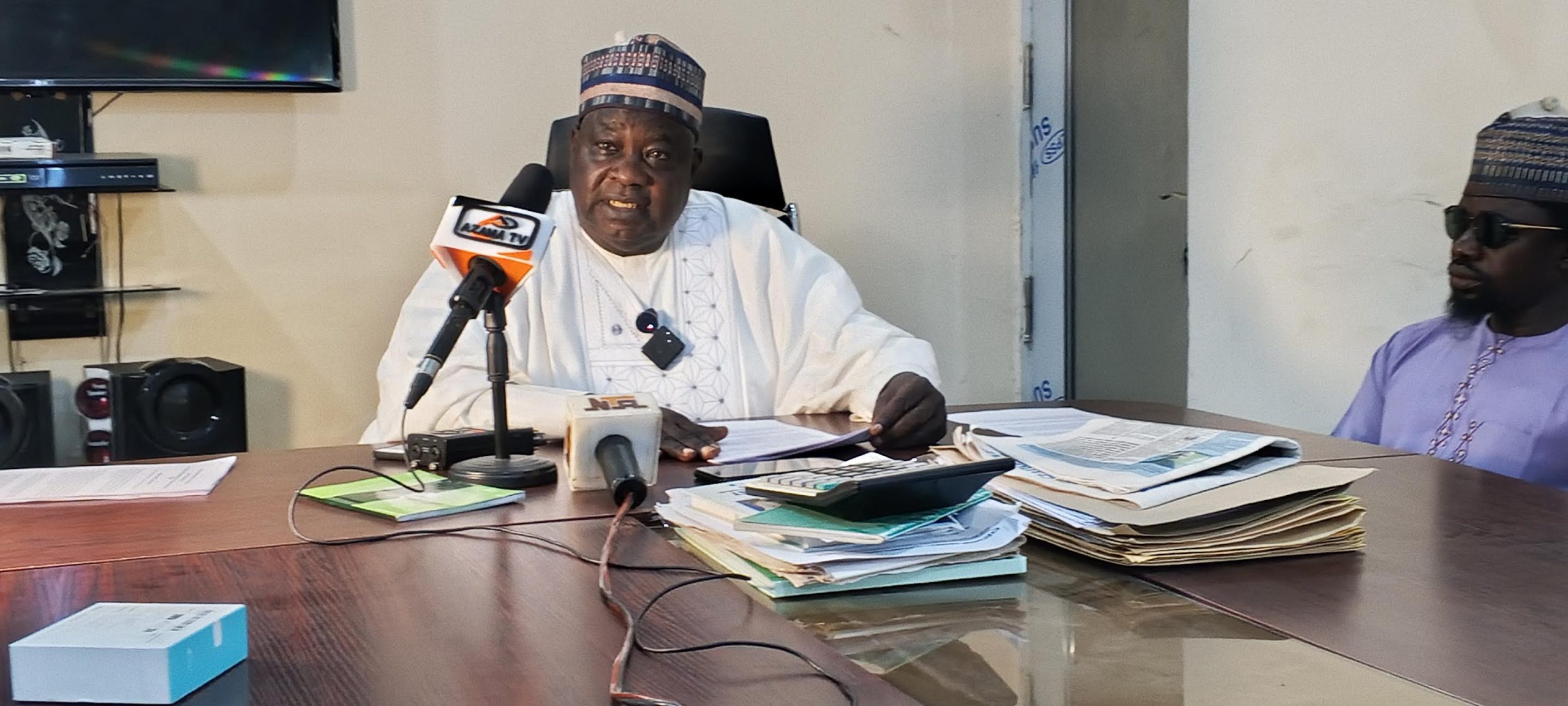
From Paul Orude, Bauchi
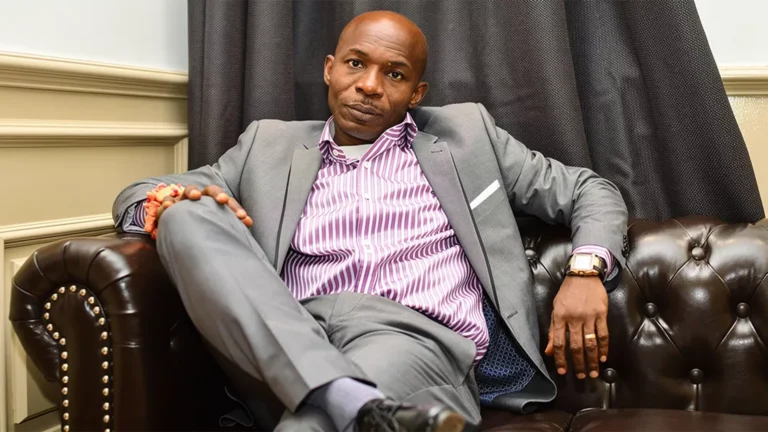
President of the Bauchi Chamber of Commerce, Industry, Mines and Agriculture (BACCIMA), Hon. Aminu Mohammed Danmaliki (Danmaliki Bauchi), has condemned the call for the abolition of Shariah law in Nigeria.
Senior Fellow at the Council on Foreign Relations, Dr. Ebenezer Obadare, had urged United States lawmakers to mount direct diplomatic pressure on the Nigerian government to abolish Sharia criminal law and disband Hisbah religious-police groups.
He alleged that the Shariah law, which has operated since 2000, and the Hisbah religious-police groups enabled extremist abuses.
Obadare told lawmakers that Sharia-based governance and Hisbah enforcement structures had become “ideological and operational cover” for jihadist groups such as Boko Haram, ISWAP and radicalised Fulani militias, who allegedly carry out forced conversions, enforce extremist rule and operate with “near-total impunity”.
Responding to the development in a press conference in Bauchi on Sunday, Danmaliki condemned the attempt by some Nigerian Christian activists to discredit Shariah law before the U.S. Congress, saying it has revived old tensions fuelled by misinformation, fear, and political motives.
Danmaliki, who said he was speaking on behalf of Muslims in Nigeria, argued that the majority of Muslims condemned the action as an effort to create conflict between Muslims and Christians, just as previous false claims of “Christian genocide” in Nigeria were rejected internationally.
He stressed that Shariah is a constitutional right of Nigerian Muslims and has no impact on non-Muslims, who cannot be prosecuted under it and are not compelled to appear before Shariah courts.
“In fact, many Christians voluntarily use Shariah courts because they are faster, clearer, and more transparent,” he stated.
“Historically, Shariah is shown to be a humane, rights-based legal system that influenced Western civilisation.
“Scholars like John Makdisi have demonstrated Islamic contributions to English common law, including contract enforcement, property recovery, and the jury system, none of which came from Roman or Anglo-Saxon law.
“Similarly, early American institutions, including the U.S. Supreme Court and Congress, recognised Islamic law as advanced, rational, and protective of civil rights.
“In Nigeria, Shariah coexists with common law and customary law. The system is not a threat to national unity but part of Nigeria’s multicultural legal structure. Its core values—justice, equity, due process, protection of life and property, and checks on power—have shaped global legal thinking.”
Danmaliki stated that attacks on Shariah often come from political fears and Western misunderstandings that paint Islam with stereotypes rather than historical facts, calling on Nigerian scholars, leaders, and media to help correct these distortions.
“Shariah is not backward or unconstitutional; it is a respected global legal tradition, a constitutional right for Muslims, and a contributor to justice and stability in Nigeria,” he argued.
“A system admired by medieval England and acknowledged by early American jurists cannot suddenly be dismissed as unfit for Nigerian Muslims.
“Nigeria is strongest when all communities practise their faith freely and its diverse legal systems work together for justice and dignity.”