Follow Us on Google

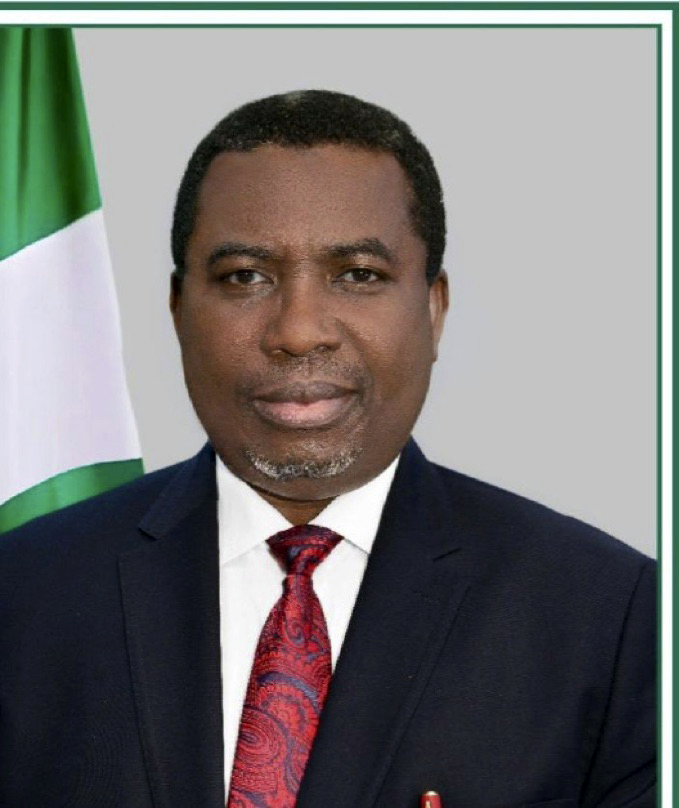
The disclosure by the Minister of Health, Dr. Osagie Ehanire, that Nigeria loses about $2 billion in foreign exchange annually to medical tourism, is worrisome. The minister, who made the remark in Abuja, cited low involvement of the private sector in the healthcare subsector and the lack of confidence in the quality of the services rendered in the public health facilities as among the reasons Nigerians seek medical care abroad.
This is an issue that calls for serious attention. We believe that the figure quoted by the minister must be conservative. However, in an economy that is yet to overcome the effects of the COVID-19 pandemic and recession, the amount is scandalous. The money could be deployed to fix the health facilities in some of the tertiary institutions in the country. There is an urgent need to halt the trend.
Successive administrations in the country have not accorded commensurate attention to the health sector. The state of facilities and welfare of staff in the sector are piteous, forcing public officials and other wealthy Nigerians to access medical attention abroad. In his first term, President Muhammadu Buhari spent some time in a London hospital because of the poor state of the State House Clinic and other tertiary health institutions in the country. The First Lady was recently in Dubai over reported minor ailment.
The late President Umaru Yar’Adua also spent some time in hospital abroad. Governors and other political office holders are equally involved in the exercise. The resort to treatment abroad underscores the negligence of the sector. The practice drains the country’s scarce foreign reserves, aside presenting a negative image of the nation before others. There is urgent need to stop the growing medical tourism.
This is the time to fix the nation’s health care system. Therefore, all hands must be on deck in resuscitating the sector. The state governments should be part of this crusade to revamp the dying sector. Government should substantially increase the nation’s health budget. The N547 billion allocated to health in 2021 budget merely represents seven per cent of the total budget of N13.08 trillion. The amount allocated to health translates to about N2, 735 per Nigerian, given the country’s population of about 200 million people. This is grossly inadequate.
Other News
Though the seven per cent allocation shows a slight increase from the four per cent of the 2019 budget estimate and five per cent of 2020, it still falls below the 15 per cent agreed by African countries in 2001. African governments had in April 2001, pledged to dedicate at least 15 per cent of their annual budgets to the health sector to lift the system. Nigeria should honour this pledge which it freely signed.
A functional health system also demands an improvement in the welfare of workers to prevent exodus of experts. To bring back our medical experts in foreign countries, the system must be functional and efficient. The number of Nigerian health workers abroad is mind-boggling. Available figures show that about half of Nigeria’s estimated 72,000 registered doctors work abroad. Of this number, over 4, 000 Nigerian doctors are working in United Kingdom. There are others in America, Canada, Saudi Arabia and South Africa. Many factors account for the migration of the medics to other parts of the world. They include poor working conditions, dearth of functional equipment, inadequate work opportunities, low work satisfaction, poor salaries and emoluments. The exodus of the health professionals has tacitly encouraged medical tourism by affluent Nigerians.
Going forward, the budget for health should be increased and the money appropriated, used judiciously. The earlier the government takes the sector seriously, the better for the country and the chances of curtailing medical tourism. It is good that the government is encouraging private sector participation in the field. We urge the private operators to take advantage of the Central Bank of Nigeria’s N100 billion healthcare loan to develop the sector. It is in the interest of the nation for the health sector to be given the good attention it deserves. This is the only effective way to curb medical tourism.
We also urge Nigerians to change their orientation in seeing medical treatment abroad as a status symbol.