Follow Us on Google
From Aniekan Aniekan, Calabar
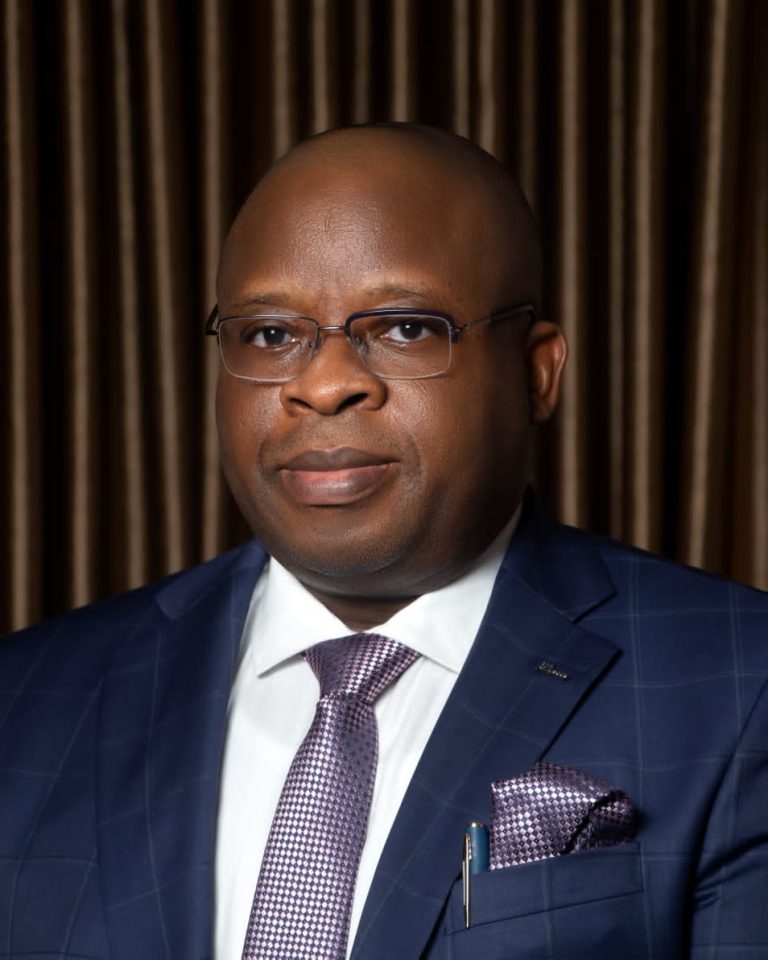
The Executive Chairman of the Cross River State Internal Revenue Service (CRIRS) Prince Edwin Okon says the service will leverage the new tax laws to achieve its N10 billion monthly Internally Generated Revenue (IGR) target.
Prince Okon disclosed this in Calabar while flagging off a two day strategy session for directors, unit heads, assessment authorities and motor licensing authorities.
The session themed: ‘Growing Cross River State Revenue: Building Investors Confidence and Leveraging on the Gains of the New Tax Laws’, focused on transitioning from traditional collection methods to a more strategic, data-driven approach.
Prince Okon highlighted the significant growth in the state’s fiscal performance over the last few years noting that the state moved from an annual IGR of approximately N20 billion in 2022 to an impressive N60 billion by the end of 2025.
“Our plan for this year is to ensure that we improve on those numbers and make the funds available for the governor to carry out his developmental projects.
“Cross River State has the potential of achieving N10 billion naira monthly once we get to where we want to be,” he said.
Okon explained that the service has already begun a “train-the-trainer” awareness campaign, deploying 196 representatives across all wards in the state to educate citizens, market women, and religious organizations on the nuances of the new tax legislation.
Dr. Bong Duke, Vice Chairman of the State Planning Commission, described the relationship between planning and revenue as “symbiotic,” emphasising that while the Commission designs the roadmap for the state, the CRIRS fuels the engine.
He said revenue officers should adopt the mindset of “economic diplomacy,” arguing that investors do not fear taxes, but rather the unpredictability and lack of transparency often associated with them.
He further challenged the participants to view the new law as a data-gathering tool that helps the government identify which sectors are thriving and where policy intervention is needed.
The Lead Facilitator of the session, Victoria Madedor, charged the participants to move beyond “motion” and focus on “movement.” She emphasized that the session was not a mere performance review of past numbers, but a space to define the “how” of future growth.