Follow Us on Google
…Uber’s exit signals deeper crisis
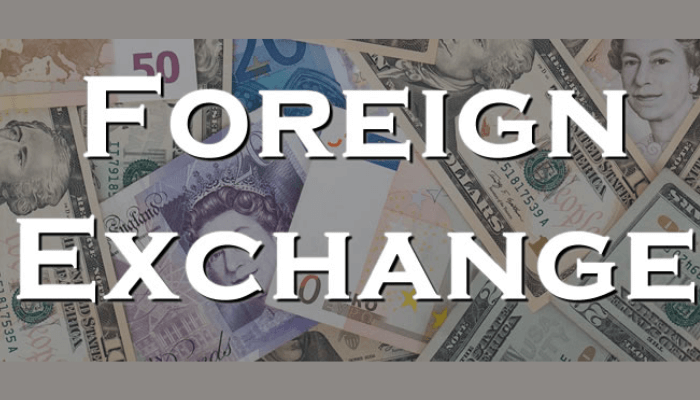
A widening corporate exodus is undermining Nigeria’s investment drive, with at least 75 multinational companies exiting the market or scaling down local production since 2020 as foreign exchange (FX) scarcity, soaring operating costs and policy uncertainty erode profitability.
The latest blow came on Wednesday when Uber announced an immediate shutdown of its Nigerian ride‑hailing operations after 12 years, joining a roll call that includes Diageo (Guinness Nigeria), Procter & Gamble, Unilever, GlaxoSmithKline, Shoprite and Shell, among others.
Economic experts warned that this trend had already wiped out about N94 trillion in output over five years and could deter fresh capital at a time when the government is seeking to attract long‑term investors to stabilise the naira and create jobs.
In 2020, more than ten companies exited the Nigerian market, as the impact of economic instability and other operational challenges became evident. Notable closures included;Standard Biscuits Nigeria Ltd, NASCO Fiber Product Ltd, Union Trading Company Nigeria Plc and Deli Foods Nigeria Ltd.
The departure of companies escalated in 2021, with over 20 firms shutting down operations in Nigeria. Among those who left were:Tower Aluminium Nigeria Plc, Framan Industries Ltd, Stone Industries Ltd, Mufex Nigeria Company Ltd and Surest Foam Ltd.
This trend persisted in 2022, with more than 15 prominent brands ceasing operations in the country, including:Universal Rubber Company Ltd, Mother’s Pride Ventures Ltd, Errand Products Nigeria Ltd and Gorgeous Metal Makers Ltd.
Further wave of exits continued in 2023, as over ten major companies pulled out from Nigeria, citing profitability concerns and challenging business conditions. Notable departures included: Unilever Nigeria Plc, Procter & Gamble Nigeria, GlaxoSmithKline Consumer Nigeria Ltd, ShopRite Nigeria, Sanofi-Aventis Nigeria Ltd, Equinox Nigeria and Bolt Food & Jumia Food Nigeria.
Between January to October 2024, atleast five significant companies exited or scaled back on local production as the business climate remained difficult. These include; Microsoft Nigeria, Total Energies Nigeria (impacted by divestment strategies), PZ Cussons Nigeria Plc, Kimberly-Clark Nigeria and Diageo Plc.
Heineken / Champion Breweries, sold majority stake to EnjoyCorp, Bolt Food, shut down food delivery operations while Pick n Pay sold its 51 per cent stake and exited the retail market, and Netflix stopped commissioning Nigerian originals, signaling that the risk‑adjusted returns may no longer justify the capital required to operate in the country.
Although, Uber framed its withdrawal as part of a “thorough review” of its African portfolio and a shift in “evolving business priorities and investment focus,” stressing it remains committed to other Sub‑Saharan markets, analysts say the move underscores a harsher reality that Nigeria’s 200 million‑plus population does not automatically translate into a 200 million‑person addressable market when disposable incomes are crushed by inflation, currency depreciation and high transport and food costs.
The reactions from Nigerians on social media has been sharply divided. Some critics described Uber’s abrupt shutdown as an “insult” to millions of customers and drivers who depended on the platform, while others argued it presents an opportunity for local startups and taxi unions to build home‑grown alternatives.
Rildwan Bello, a serial entrepreneur, said, “I know a lot of Nigerians have no self-respect as long as an action makes the country look in a certain way, but what Uber did yesterday is a big insult to this country and millions of customers and stakeholders. You just cannot shut down such a service and be out within an hour’s notice”.
Co-founder, an AI Health Infrastructure app AskAwaDoc, Jesse Ozone, noted that the multinationals leaving Nigeria is bad news and could signal less foreign investment, fewer jobs, less competition and potentially less innovation.
Other News
“From a financial point of view, the reasons could include inflation, declining purchasing power, intense price competition, regulatory friction, driver economics and weak margins. Uber may simply have decided that its capital can generate better returns elsewhere.
We have a big lesson to learn; 200 million plus people doesn’t automatically mean a 200 million person market. Capital follows purchasing power, margins, stability and returns. Nigeria needs an economy where businesses can sustainably make money or more global companies will eventually choose to leave”.
Human rights activist, Senator Shehu Sani, said, “Uber has left Nigeria, hence, this is a good opportunity for our local startups to takeover the business. Even our Taxi unions can create an app become our Uber, it is not rocket science”.
However, manufacturers and investors point to a recurring set of constraints: difficulty in or importing inputs, diesel and power costs that force firms to run private generators, sudden tax and import rule changes, port congestion and bad roads and security bills can consume up to 20 per cent of operating budgets in some sectors.
PZ Chief Executive, Jonathan Myers, speaking in April 2024, said that the macro‑economic challenges and complexities associated with operating in Nigeria were significant as the group flagged a possible exit from Africa.
For his part, Founder, Proshare Group, Olufemi Awoyemi, cautioned against interpreting Uber’s exit as proof that the Nigerian market is unworkable.
Instead, he argued that Uber’s simultaneous exits from Nigeria and Uganda, coupled with about a 10 per cent cut to its global workforce and a reallocation of capital to “higher‑priority opportunities,” points to a broader strategic review rather than a Nigeria‑specific collapse.
“A local sale or franchise of the Nigerian operation was theoretically possible, but the assets were not compelling enough: Uber doesn’t own the vehicles, drivers and riders are not exclusive to its platform, and customer/data transfers raise privacy, regulatory and reputational issues.
Given those constraints, a clean exit may have offered more certainty than a messy divestment that would have yielded limited value while leaving Uber with ongoing exposure”, Awoyemi explained.
He added that the continued presence of competitors like Bolt and inDrive shows that Nigeria’s e‑hailing market is still viable, but perhaps not sufficiently attractive under Uber’s current strategy, cost structure and return requirements.
The margin for error is shrinking. Foreign investors do not invest in population statistics because they invest in addressable markets.
Until real wages rise and consumer credit deepens, Nigeria’s demographic heft will remain more impressive in pitch decks than on income statements.
Hence, for a government courting foreign direct investment, the message from 75 exits and scale‑downs in seven years is clear: fix the cost base, stabilise the policy environment and rebuild purchasing power, or watch the list of departing brands grow longer.