Follow Us on Google

From Jude Owuamanam, Jos
Plateau State is grappling with an estimated 11,000 cases of tuberculosis (TB), amid growing concerns over shortages of essential drugs, insecurity and overcrowding in internally displaced persons (IDP) camps, which health officials say are complicating efforts to contain the disease.
The Monitoring and Evaluation Officer of the state’s Tuberculosis and Leprosy Control Programme, Yohanna Bot, disclosed that 2,047 patients were identified and placed on treatment between July and September 2026, warning that the disease remained a major public health challenge.
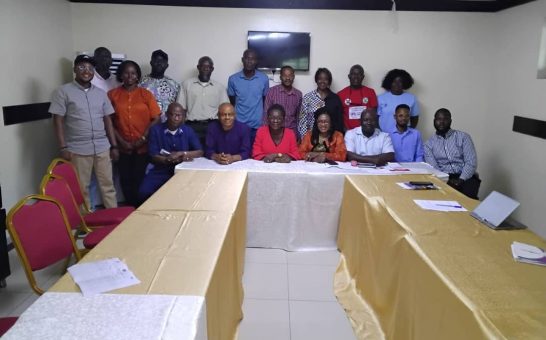
Bot spoke in Jos at the first biannual media advocacy meeting on the Global Fund AIDS, Tuberculosis and Malaria (ATM) Integrated Community-Led Monitoring (ICLM) Project.
He said the estimated TB burden in the state stood at 219 cases per 100,000 people, with transmission worsened by overcrowding, malnutrition, weakened immunity and limited access to healthcare services.
“TB remains a significant public health crisis in Plateau State. We all know that tuberculosis is an airborne disease, and from the prevalence in the state, we have a lot of people who have TB.
“Based on the prevalence of 219 per 100,000 population, we have over 11,000 people who have TB in the state.
“We just completed our quarterly survey, and from the analysis, we discovered that between July and September, 2,047 patients were identified and placed on treatment,” he said.
Bot explained that tuberculosis spreads through the air when a person with infectious pulmonary TB coughs, speaks or sneezes, adding that overcrowded environments and poor access to early diagnosis increase the risk of transmission.
He identified children under five, people living with HIV and individuals with weakened immune systems as particularly vulnerable to developing the disease.
According to him, insecurity and displacement have compounded the situation, especially in Mangu, Jos South and Barkin Ladi local government areas, where attacks on communities have forced residents into temporary shelters and IDP camps.
He warned that overcrowding in such facilities, coupled with difficulties in accessing healthcare, could facilitate transmission and delay the identification of infected persons.
The official also expressed concern over misconceptions and stigma surrounding tuberculosis, saying some residents still attributed the disease to spiritual attacks or ritual causes rather than seeking appropriate medical treatment.
He said such beliefs often discouraged early diagnosis and allowed infected persons to remain untreated, thereby increasing the risk of further transmission.
As part of efforts to address the situation, Bot said the programme had intensified community outreach and active screening, particularly in IDP camps, correctional centres and other high-risk locations.
He explained that patients diagnosed with tuberculosis were immediately placed on appropriate treatment, which substantially reduces infectiousness as therapy progresses.
However, he raised the alarm over shortages of anti-TB medicines, attributing the challenge partly to disruptions in the supply chain and the programme’s heavy dependence on international development assistance, particularly support from the Global Fund.
Bot called for improved domestic funding, reliable drug supplies and sustained public enlightenment to ensure that patients complete treatment and that suspected cases are promptly identified.
He stressed that combating tuberculosis required not only access to medicines but also efforts to address stigma, misinformation and barriers preventing vulnerable people from seeking medical attention.
Also speaking, the Plateau State Programme Officer of the Global Fund ATM Integrated Community-Led Monitoring Project, Peter Ezekiel, expressed concern over Nigeria’s burden of tuberculosis, HIV and malaria.
He said the country’s high incidence of infectious diseases, including cases of TB/HIV co-infection, underscored the need for stronger healthcare systems and increased investment in disease prevention, diagnosis and treatment.
Ezekiel explained that the ICLM initiative was designed to involve communities in identifying gaps in healthcare delivery, monitoring the availability and quality of services and advocating improvements.
According to him, the project, implemented by the Civil Society for the Eradication of Tuberculosis in Nigeria through community-based organisations, operates in Jos North, Jos South and Mangu local government areas, with support from the Global Fund and the Institute of Human Virology Nigeria.
He said the initiative had facilitated community participation, infrastructure rehabilitation, resource mobilisation and improvements in service delivery at several primary healthcare facilities.
Among the interventions were the repair and replacement of toilet pipes at the Primary Health Centre, Rantya, in Jos South; donation of a scanning machine and 10 iron-framed chairs to the Primary Health Centre, Gangare, in Jos North; and provision of a blood pressure apparatus to the Primary Health Centre, Dogon Agogo.
Other interventions included the donation of a hospital bed mattress to the Primary Health Centre, Pushit, sputum collection cups to the COCIN Rehabilitation Centre in Mangu and 500 patient enrolment forms through community support.
Ezekiel further disclosed that residents of Lamingo had mobilised resources to engage security personnel to protect night-shift health workers and facilities at the local primary healthcare centre at an agreed monthly cost of N15,000.
“These interventions have strengthened infection prevention measures, improved patient experience and enhanced healthcare service delivery.”
He urged government at all levels, development partners, the private sector and community leaders to expand access to health insurance, particularly for poor and vulnerable Nigerians who are often unable to afford essential medical services.
Ezekiel also called for greater transparency in the management of primary healthcare funds, stressing that misappropriation and inadequate investment continued to undermine efforts to address HIV, tuberculosis, malaria and gender-based violence.
He maintained that effective disease control required sustained health education, community participation, improved infrastructure and stronger partnerships between government agencies and grassroots organisations.
The Director of Disease Control and Immunisation at the Plateau State Primary Healthcare Board, Dr. Yakubu Izang, described community-led monitoring as an important mechanism for identifying shortcomings in healthcare delivery.
He said the initiative enabled community organisations to draw attention to gaps and challenges that government agencies might otherwise overlook, creating opportunities for collaborative solutions.
Izang stressed that organisations working on tuberculosis, HIV and other infectious diseases remained critical partners in efforts to improve healthcare access, strengthen disease surveillance and address inequalities in service delivery.