Follow Us on Google
By Adewale Sanyaolu
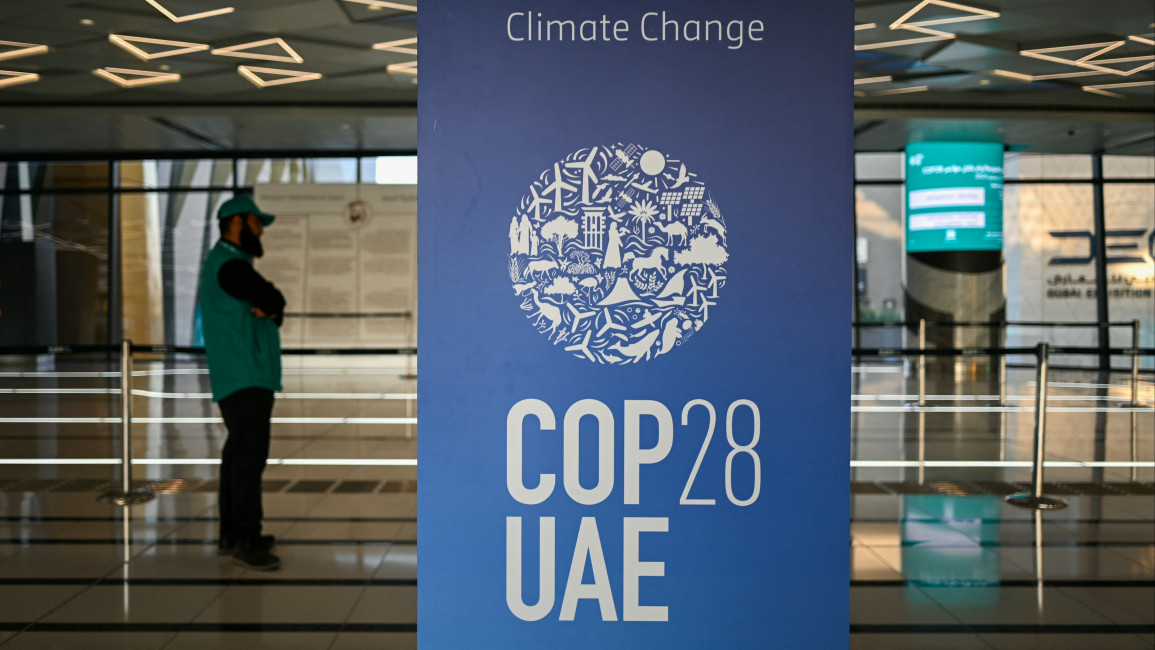
There are strong indications that global leaders attending the United Nations Climate of Change Conference commonly referred to as COP28 holding in UAE are currently divided over planned end to fossil fuel production.
The COP28 Director General, Majid al-Suwaidi, said at the weekend that the UAE-led presidency doesn’t have any “red lines” for language about fossil fuels in the negotiated text.
“Our job as a COP presidency is not to have red lines. We don’t have red lines.”
The question was in response to comments by UN Secretary General, Antonio Guterres, about what he called the urgent need to phase out fossil fuels to avoid climate catastrophe and meet Paris goals.
“We cannot save a burning planet with a firehose of fossil fuels,” Guterres said earlier in the day. “The 1.5-degree limit is only possible if we ultimately stop burning all fossil fuels. Not reduce. Not abate.”
But the UAE—holding the presidency of COP28, remains steadfast on its position that all energy needs to be discussed, with many countries—the UAE included—viewing fossil fuels as having a role in the energy transition.
Already, Hila Heine, former Marshall Islands president, stepped down from her role on the COP28 advisory board, citing her disappointment with the UAE’s support of continued fossil fuel use and accused the COP28 presidency of using its platform at to broker oil and gas deals—an accusation that the UAE has denied.
“We have been clear, open and honest throughout this process,” the UAE said in a statement.
Still on the table for discussion at COP28 is the matter of whether fossil fuel subsidies should be phased out, which have been estimated at about $7 trillion globally as of last year. The group is also planning to discuss provisions for carbon capture and removal technology.
The UAE secured a victory earlier last week with delegates adopting a new loss and damage fund to assist poor nations with climate disasters—it was a deal that is decades in the making.
For his part, President Bola Tinubu, in his remarks at a panel on African Green Industrialisation on the sidelines of the COP28, said he was aware that Africa contributes the least to global carbon emissions, but bears a disproportionate share of the economic burden for transitioning to cleaner energy.
He added that risk management was critical for Africa’s full and rapid transition to cleaner energy, emphasising that Africa must not become a victim of the disruptions that come with climate change mitigation measures.
He said that Nigeria and Africa urgently require investments in alternative energy to fully and successfully transition to sustainable energy.
Tinubu said that there was an urgent need for fresh investments in crucial areas to capitalise on Africa’s great potential contribution to the emerging global green economy, while allowing the continent to properly adapt and transition.
“Global manufacturers must partner with us to invest in the health of our collective environment. Africa doubles as an unrivaled opportunity in this respect.
“We are removing all obstacles that are inhibiting progress as Africa’s largest economy. The investment environment is becoming cleaner and better,” he said.