Follow Us on Google
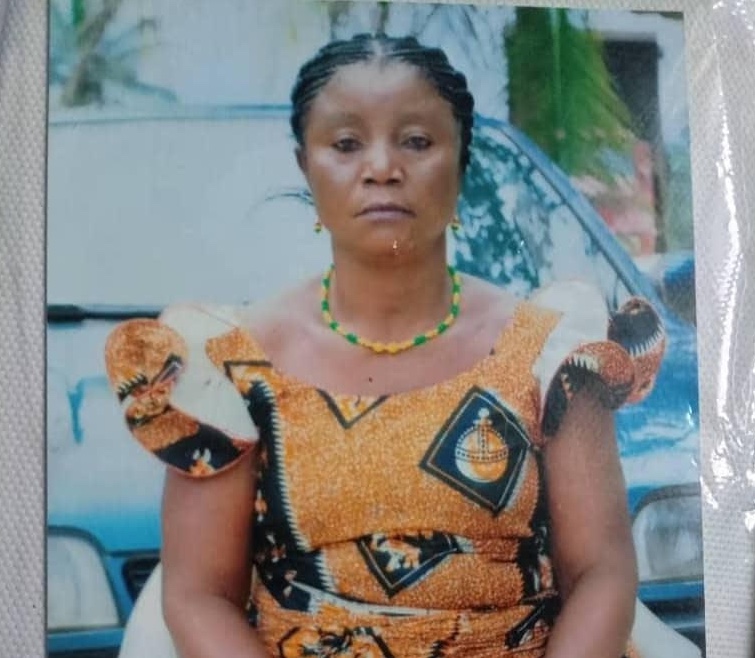
The Advocacy for Alleged Witches (AFAW) has expressed its anger over the death of a woman accused of witchcraft and set ablaze by her own son after sustaining burns.
Sparking outrage from human rights advocates, Director of AFAW, Dr Leo Igwe, said the case highlights the deadly consequences of witchcraft allegations in Nigerian communities in a statement he released to journalists in Owerri.
The victim was identified as Atim Akposi, also known as Atim Eyo. According to the Advocacy for Alleged Witches (AFAW), her son, Emmanuel Akposi, set her on fire on Friday, August 14, 2026, after accusing her of being responsible for the death of his child in Calabar.
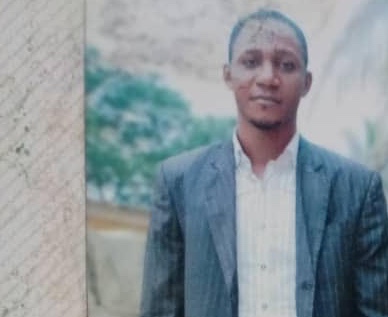
AFAW said it received a voice note on August 17 reporting the attack and that Akposi was receiving treatment at the University of Calabar Teaching Hospital. The group said it later spoke with the woman’s other sons, John and Eyo, who confirmed the incident.
AFAW said family sources reported that Akposi was first taken to a community health centre, then to Akamkpa General Hospital, and finally to the teaching hospital in Calabar, where she died in the early hours of Tuesday.
According to AFAW, tensions had been building for some time. A family member told the group that Emmanuel had repeatedly called his mother a witch and said he was told so by pastors at different churches. He had previously confronted her in public, but was cautioned by an elder brother at the time.
On the day of the attack, AFAW said Emmanuel entered his mother’s room and attempted to strangle her. When she resisted and tried to escape, he allegedly knocked her to the ground, poured fuel on her and set her ablaze. He fled the community afterwards and remains at large.
Other News
Igwe, who condemned the killing, called on security agencies to arrest and prosecute Emmanuel.
“The death of Mrs Akposi underscores the vicious impact of witchcraft suspicion and accusation on innocent lives,” Igwe said. “State authorities should ensure that he is apprehended and made to answer for his crimes.”
The group said the case comes in a month when the International Day Against Witch Hunts is observed, and argued that witch hunts are still being carried out within families and communities.
AFAW also criticised the role of some religious leaders in fuelling such attacks.
“Witchcraft claims have no basis in reason, science or reality,” the statement said. “As in the case of Mrs Akposi, pastors are enablers and sanctioners of witchcraft accusations. They impute witchcraft to families, and use the scriptural verse, Exodus 22:18, that says ‘Suffer not a witch to live’ to justify torture, murder and violations.”
The organisation urged churches in Nigeria to desist from witch-hunting and other superstition-based abuses, and called on Nigerians to reject accusations of witchcraft and the persecution of those suspected.
Witchcraft accusation is recognised as an offence under Nigerian law, and rights groups have for years campaigned against mob violence and family attacks linked to such claims.