Follow Us on Google
From Uche Usim
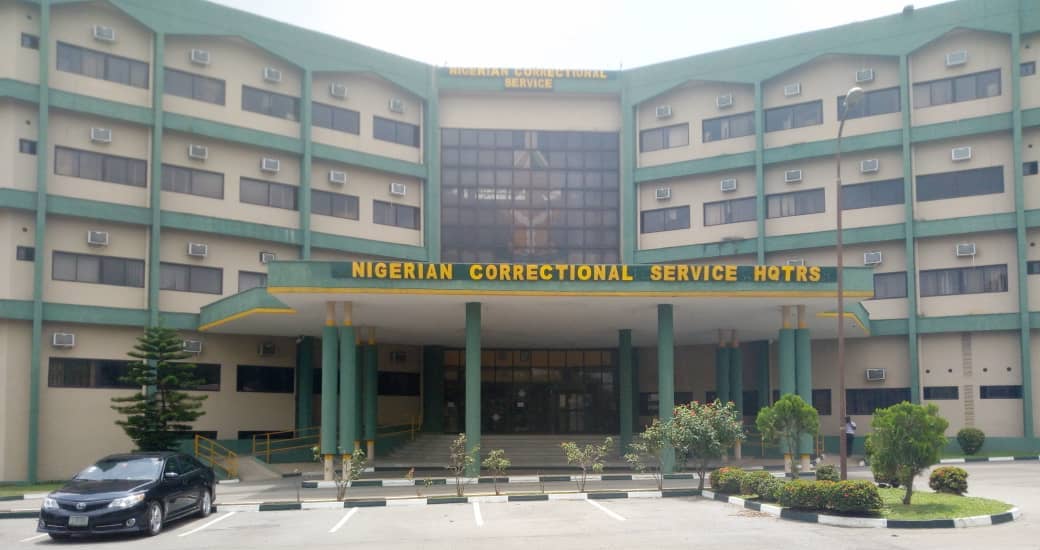
Barring swift intervention by the federal government, the current tension sweeping through Nigeria’s correctional system, as a result of contractors’ N30 billion debt, may unsettle its operations.
The enormous figure is owed contractors responsible for supplying food to inmates nationwide.
Investigations by Daily Sun revealed that the contractors are currently owed about ₦7.7 billion for the months of October, November and December 2023, a backlog they said has crippled their operations and pushed them to financial exhaustion.
But beyond the unpaid arrears, an even deeper crisis is cropping up.
In August 2024, the Presidency approved an upward review of the daily feeding allowance for inmates from ₦750 to ₦1,125 per person, following the removal of fuel subsidy and the resulting surge in food prices. The adjustment, effective from August 1, 2024, was meant to enhance the nutritional quality of inmates’ meals and relieve contractors struggling with rising costs.
Over a year later, however, multiple sources within the Nigerian Correctional Service (NCoS) and the contractors’ network confirmed that the reviewed rate remains largely unimplemented. Payments, they said, are still being made at the old rate of ₦750, leaving a ₦375 shortfall per inmate per day.
Across Nigeria’s overcrowded prisons, where over 80,000 inmates are held in facilities built for around 50,000, that shortfall has accumulated rapidly. Between August 2024 and July 2025 alone, the unpaid difference has ballooned into an additional ₦23 billion, bringing the total debt owed to about ₦30.7 billion.
For the contractors, the situation has become unbearable. Many say they have resorted to bank loans at crushing interest rates to sustain food supplies, while others have had to sell personal assets to avoid halting deliveries.
“We have not been paid for months, yet we’re expected to keep feeding thousands of inmates every day,” lamented one contractor who supplies food to several correctional centres.
He added: “Banks are threatening to seize properties we used as collateral. Some of us have already lost everything.”
Another contractor said the uncertainty surrounding the implementation of the new rate has left many on the edge.
“We keep hearing assurances, but nothing changes. We are feeding inmates at our own cost. How long can this continue?” he lamented.
Other News
However, within the prison walls, officials admit that the impact of the non-payment is beginning to show. One senior correctional officer described the situation as “a ticking time bomb.”
“Feeding is central to stability in any correctional facility. If contractors pull out or reduce supplies because of unpaid debts, it could easily lead to unrest. The implications for security are enormous,” he said.
Indeed, history shows that hunger and frustration among inmates can quickly spiral into violent riots or jailbreaks, events that have repeatedly shaken Nigeria’s fragile correctional system.
Experts warn that allowing the crisis to fester could trigger widespread disorder.
“If the food chain collapses in prisons, it won’t just be a welfare issue.
“It will become a full-blown security emergency,” said a policy analyst who tracks correctional reforms.
Beyond the prison gates, the ripple effect of the debt crisis extends into the wider economy. Most of the contractors are small and medium-sized enterprises that buy produce from local farmers and traders.
The government’s delay in payment has disrupted these value chains, leaving suppliers unpaid and livelihoods threatened.
While officials at the Ministry of Interior and the NCoS are yet to comment officially on the matter, a senior government source familiar with the matter told Daily Sun that “the issue is being addressed.”
According to the source, “There are ongoing efforts to reconcile records and ensure that verified contractors are paid soon. The government is not unaware of the implications and steps are being taken,” he said.
For the contractors, though, assurances are no longer enough. “We’ve heard promises for months,” one supplier said. “What we need now is action. The lives of inmates and the stability of the correctional system depend on it,” he noted.