Follow Us on Google
The AIDS Healthcare Foundation (AHF) has called on the United Kingdom to take concrete steps to address the growing sovereign debt crisis ahead of its 2027 presidency of the G20 and the Commonwealth Heads of Government Meeting (CHOGM), scheduled for November in Antigua and Barbuda.
AHF said the call was necessary as Commonwealth countries continue to face mounting debt burdens that are affecting their ability to invest in healthcare, education and other essential services.
The foundation noted that while CHOGM will convene under the theme, “Accelerating Partnerships and Investment for a Prosperous Commonwealth,” one in three Commonwealth countries is currently in debt distress, while a significant proportion of global debt contracts are governed by UK law.
According to AHF, about 3.4 billion people globally live in countries that spend more on servicing debt than on health and education combined, adding that many of these countries face borrowing costs estimated to be between two and 10 times higher than those of wealthier nations.
The organisation further stated that 21 Commonwealth countries spend at least 14 per cent of government revenue on debt repayments, warning that the situation could undermine development and social stability if urgent reforms are not implemented.
AHF President, Michael Weinstein, in a statement signed by the Senior Advocacy and Marketing Manager, Steve Aborisade, and issued to newsmen in Makurdi, said the existing international financial system was inequitable and called on the UK to use its influence to promote reforms that would better protect developing countries.
“The global debt crisis is upheld by a financial architecture that is inequitable, extractive, and rooted in colonial legacy.
“The UK has a very unique opportunity to demonstrate honest leadership in championing systemic reforms that ensure members of the Commonwealth can achieve genuine prosperity,” says Mr. Weinstein.
Other News
He also added that “It must protect the interests of borrowing nations in the Global South against private creditors who weaponize its legal system to force repayments. This includes enforcing legislation that curbs predatory lending practices and prevents creditors from undermining debt relief efforts.”
He urged the UK to protect borrowing countries in the Global South from what he described as exploitative practices by private creditors, including through legislation to curb predatory lending and prevent creditors from undermining debt relief initiatives.
The statement also expressed concerns over proposed reductions in UK aid funding of up to 90 per cent to some countries, including Malawi and Mozambique, which AHF said were already facing significant fiscal pressures and limited capacity to invest in social protection measures.
AHF Executive Vice-President, Dr Penninah Iutung, said the debt crisis should no longer be viewed solely as an economic issue, but also as a development and security concern.
“We cannot say we are a Commonwealth of Nations when many member states are trapped in a debt cycle that impoverishes them and destabilizes their economies,” Iutung said.
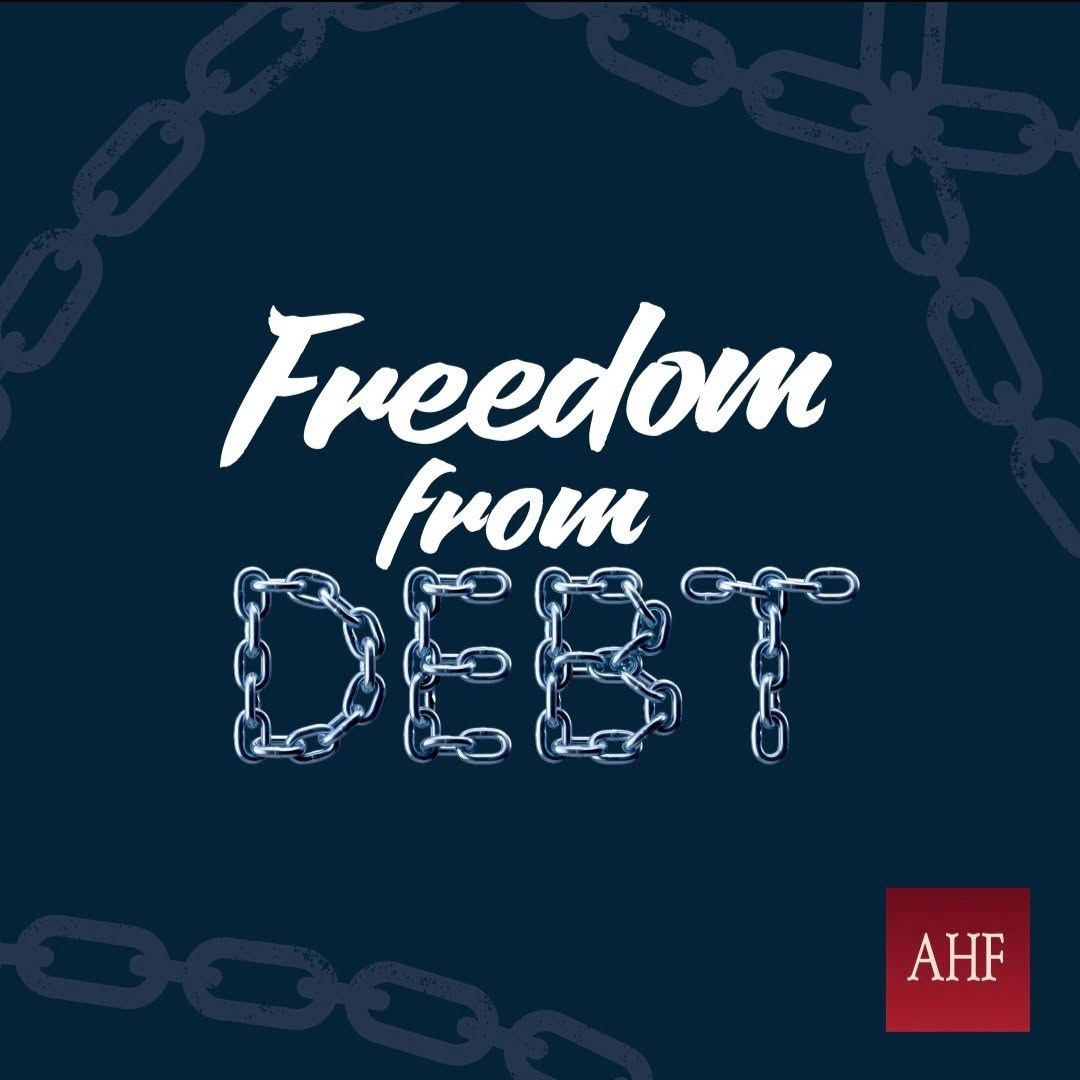
She said in June, AHF and its partners launched the Freedom from Debt campaign, which is advocating a number of measures to reform the global debt system.
Among its proposals are the accelerated establishment of a Borrowers’ Forum to strengthen the negotiating position of developing countries, automatic interest-free debt payment pauses when countries face public health or climate emergencies, and a one per cent global AI Solidarity Levy on major artificial intelligence companies to support debt relief and fund essential public services in the Global South.
AHF said the proposed measures were aimed at creating a fairer international financial system and giving developing countries greater opportunity to pursue economic development, prosperity and peace.