Follow Us on Google
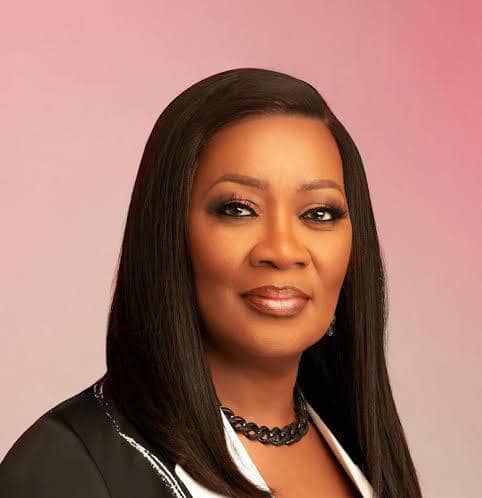
An industrialist and philanthropist, Dr. Seinye Lulu-Briggs, has said that combating gender-based violence (GBV) and placing it at the core of its development agenda would help Nigeria meet the growth challenges of the 21st century.
Citing a World Bank report that states countries could only meet the development challenges of the 21st century with the full and equal participation of all male and female citizens, the philanthropist said reducing gender-based violence has to become a priority if Nigeria wants to meet her targets.
Dr. Lulu-Briggs was the guest speaker at the African Women Lawyers Association (AWLA), Rivers State branch event commemorating the 2023 Pan African Women’s Day and 16 Days of Activism to end gender-based violence in Port Harcourt on Wednesday, October 25.
At the event themed, ‘African Women in the 21st Century: Challenges and Prospects,’ where her NGO, the O.B. Lulu-Briggs Foundation, received a Distinction Award for protecting the rights of women and children, and selfless service to humanity, Dr. Lulu-Briggs reiterated that empowering and liberating women was essential for unlocking Nigeria and Africa’s immense potential.
“Gender-based violence is among African women’s most vexing challenges in the 21st Century. During the COVID-19 pandemic, the rate of gender-based violence increased across the world. In Africa, the pandemic eroded women and girls’ hard-won accumulation of human capital, voice, agency, and economic empowerment built over international development and concerted efforts over the past three decades,” she said.
Dr. Lulu-Briggs lamented that despite most African countries ratifying the African Charter on Human and Peoples’ Rights, the African Union’s Protocol to the African Charter on Human and Peoples’ Rights on the Rights of Women in Africa, and the Convention on the Elimination of All Forms of Discrimination against Women, they have not translated into widespread improvement in the lives of African women.
“African women face challenges accessing land, credit, education, and healthcare. Gender-based violence remains alarmingly prevalent, with significant economic costs,” she said.
Chairman of the O.B. Lulu-Briggs Foundation noted further that, “In Africa, the prevalence of intimate partner violence ranges from 10 percent to nearly 40 percent, some of the highest rates in the world. In Nigeria, one in three women has experienced domestic violence, physical, mental, and sexual assault, forced and/or early marriages, and female genital mutilation by age 15.”