Follow Us on Google
From Desmond Mgboh, Kano
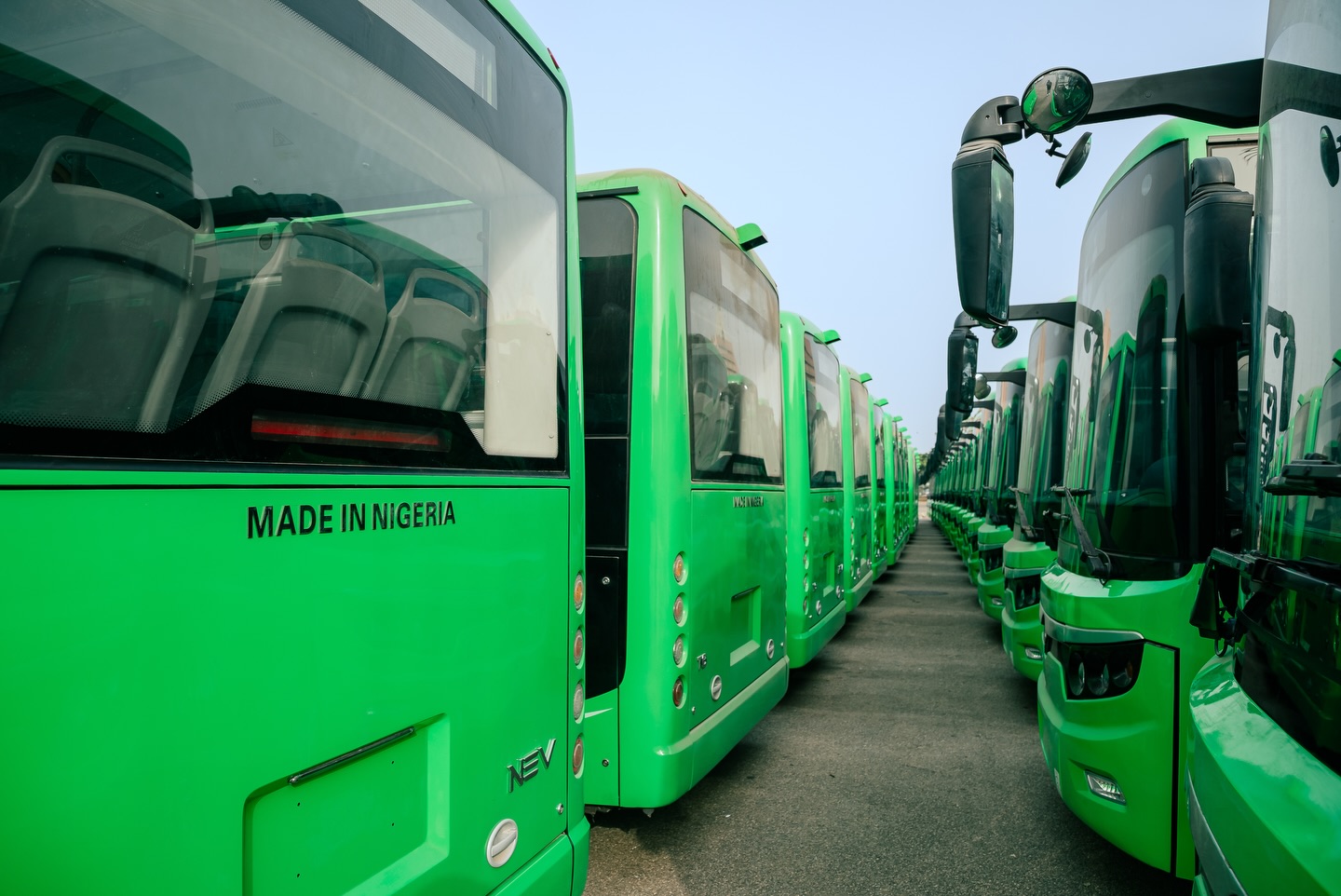
The Chairman of the Presidential Initiative on Compressed Natural Gas and Electric Vehicles, Ismaeel Ahmed, has said the Presidential Initiative on CNG-EV is designed to accelerate Nigeria’s transition to local, cleaner and cheaper energy for its transport sector.
He made the remark on Thursday in Kano at the launch of the CNG-EV Initiative for the Northern Corridor, held at the Sani Abacha Stadium in Kano State.
Ahmed remarked that over the last 20 years, the Presidential Initiative on CNG-EV has worked tirelessly with industry players, state governments, financial institutions, transport operators and OEMs to activate the gas-to-transport ecosystem across the country.
He explained that the initiative, in its early phase, was focused on building a foundation for nationwide adoption, adding that, “That work included rolling out the programme across more than 28 states, support for over 58 refuelling stations, deployment of thousands of CNG buses and tricycles across key transport sectors, onboarding of over 300 conversion partners and direct training of more than 7,000 Nigerians.”
He added that as they scale up operations nationwide, including pursuing localisation, deepening market integration and expanding the EV component of the clean-mobility agenda, they are guided by the maxims of affordability, availability and acceptability.
Other News
He explained that in this direction, they are working hard to ensure that CNG-EV remains within the reach of ordinary Nigerians through price stability and structured financial models for vehicle conversion and acquisition, while insisting that Nigerians should be able to convert their vehicles without much pressure.
On availability, he said the goal was to ensure a sustained gas supply at competitive prices while expanding refuelling and charging infrastructure across major cities, transport corridors and underserved communities.
In his remarks, Vice President Kashim Shettima stressed that the decision to expand the use of CNG-EVs was not just an energy policy but an economic strategy designed to reduce costs, strengthen energy security and support long-term growth.
He said transportation was central to the economic life of the nation, adding that the transition towards gas-powered and electric mobility should attract the attention of not just players in the transport and logistics sector but every Nigerian citizen.
Represented by the Deputy Chief of Staff to the President, Ibrahim Hassan Hadejia, the Vice President observed that Kano had long established itself as a centre of trade, enterprise and innovation and was connected to markets across the Sahel region through commerce and human ambition. He said the launch of the initiative in Kano was a decision in the right direction.