Follow Us on Google
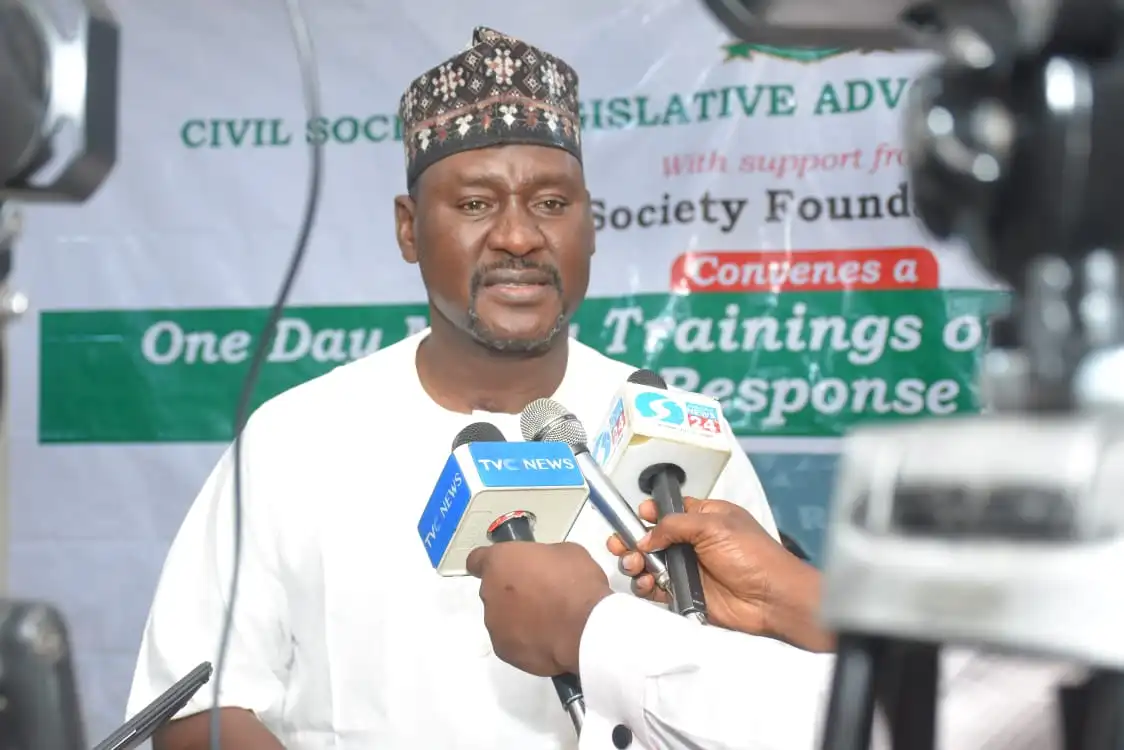
From Juliana Taiwo-Obalonye, Abuja
Civil Society Legislative Advocacy Centre (CISLAC) has urged the 10th National Assembly to refocus on governance, accountability, and critical reforms as it resumes legislative duties for the 2026 session, warning against the pitfalls of premature politicking ahead of the 2027 general elections.
In a statement issued on Monday, CISLAC Executive Director, Auwal Ibrahim Rafsanjani, described 2026 as a pivotal year for both the Bola Tinubu administration and the legislature. He stressed that Nigerians now demand tangible results from policies rolled out since 2023.
“While citizens have shown patience in the early phase of this administration, often attributing prevailing socio-economic and democratic challenges to teething problems of a new government, 2026 naturally marks a period of maturity,” Rafsanjani stated. “This is the stage at which policies must begin to deliver visible and measurable benefits to Nigerians, and the role of the National Assembly in achieving this cannot be overstated.”
CISLAC raised alarm over the historical dip in legislative productivity during pre-election years, particularly with the 2027 polls looming. The group highlighted public fears that proposals to hold elections as early as November 2026 could exacerbate anxieties amid ongoing crises.
“Nigerians are worried and rightly so that governance may once again be sacrificed on the altar of politicking and electioneering,” Rafsanjani noted. “At a time when the country is grappling with economic hardship, worsening insecurity, rising public debt, governance deficits, and declining public trust in institutions, Nigeria cannot afford a distracted or compromised legislature.”
The organisation stressed the need for a fully functional National Assembly, rejecting perceptions of it as absentee, politically distracted, or merely a rubber stamp for the executive. CISLAC outlined four key priority areas for lawmakers in 2026.
Other News
First, it called for unwavering commitment to plenary sessions, committee work and oversight duties, without frequent absences or recesses fuelled by personal ambitions.
Second, CISLAC demanded fast-tracking of vital bills on electoral, economic, security, and governance reforms. “Drawing lessons from the 2023 general elections, electoral reform remains a core demand of Nigerian citizens and must not be delayed,” the statement read.
Third, the group pushed for robust legislative oversight to ensure transparency in budget implementation, public procurement, and fund management. Rafsanjani warned that weak oversight would solidify views of the Assembly as a rubber stamp.
Finally, CISLAC cautioned against letting the 2027 election cycle derail duties prematurely. “Nigerians elected lawmakers to legislate and provide oversight, not to abandon governance long before the official campaign period,” Rafsanjani asserted. “The legislature is the backbone of any democratic system, and in 2026, the National Assembly must rise to this responsibility with integrity, discipline and a clear commitment to the public interest.”
CISLAC reaffirmed its commitment to partnering with the National Assembly and stakeholders to bolster democracy, accountability, and good governance.