Follow Us on Google
- Hold 2-day conference with journalists, stakeholders in Lagos
By Vivian Onyebukwa
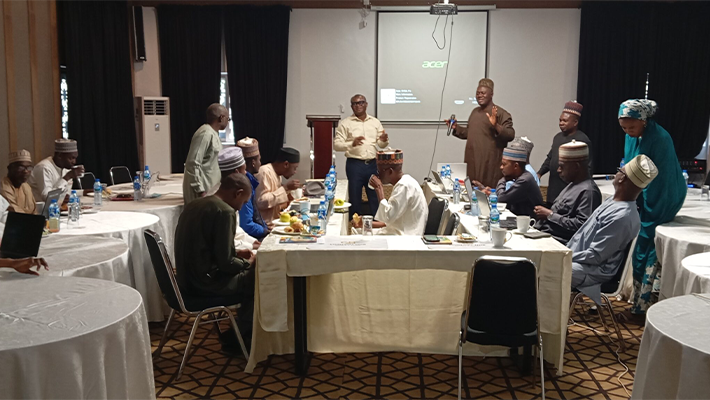
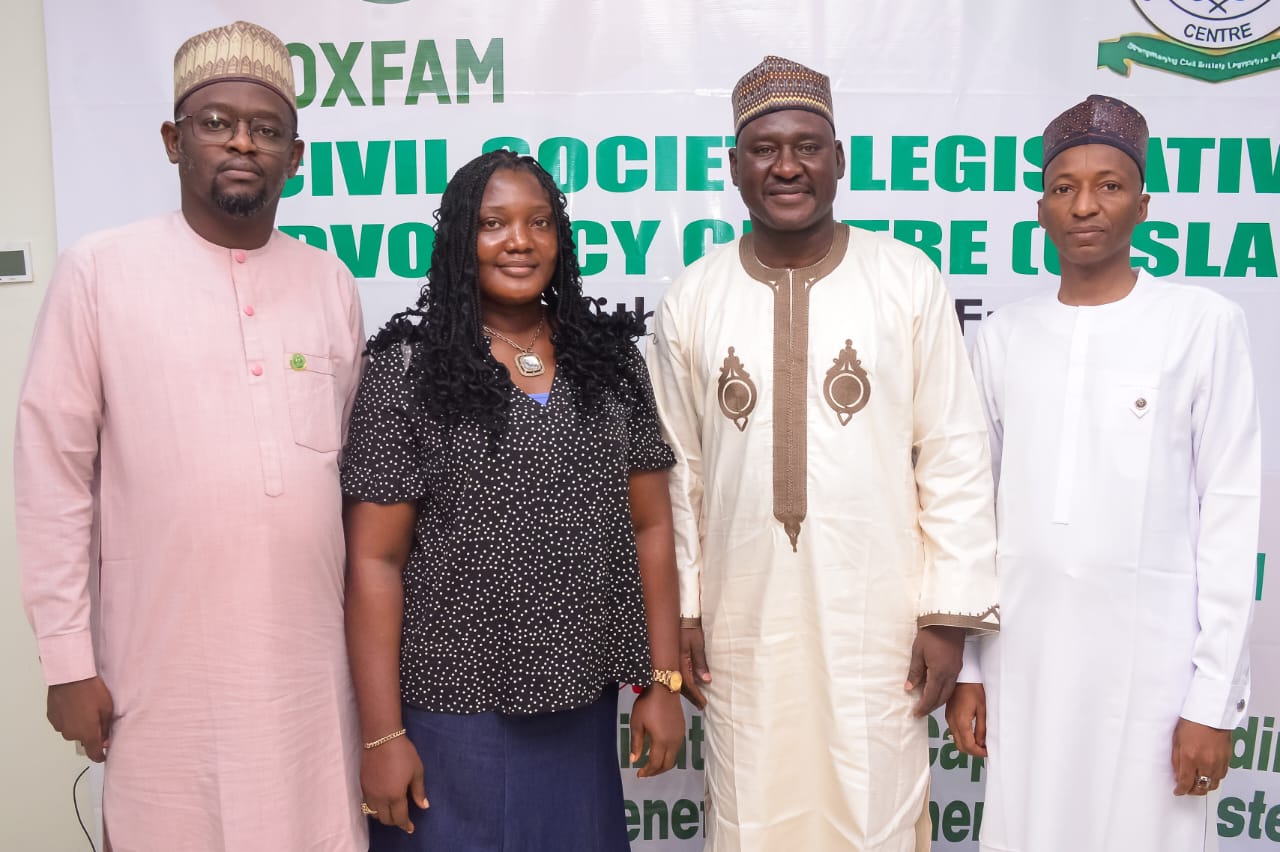
The Civil Society Legislative Advocacy Centre (CISLAC), with support from OXFAM and in collaboration with the Corporate Affairs Commission (CAC), recently held a two-day sensitisation and capacity building on Nigeria’s Beneficial Ownership Register.
This is in furtherance to its tireless advocacy and sensational programmes and activities in ensuring reduction of corruption, a globally identified anti-development parasite of any society, that Nigeria and Africa may find their feet to transparent leadership and accountable governance.
The event, which was held in Ikeja, Lagos, between Wednesday February 26 and Thursday February 27, had stakeholders in attendance, including the chief host, Mallam Auwal Ibrahim Musa (Rafsanjani), the Executive Director of CISLAC, and the Registrar-General of Corporate Affairs Commission (CAC) in Nigeria, Alhaji Hussaini Ishaq Magaji (SAN).
Other discussants as well as participants were drawn from across the civil society organisations, anti-corruption agencies and the media.
In his welcome address, the CISLAC Executive Director, Auwal Musa, stated how endemic corruption emanates largely due to lack of transparency.
He explained how undisclosed business ownership enables financial crimes, tax evasion, and even terrorism financing.
He stated that revealing true business owners through the register would help combat corruption and improve national revenue.
“Many big companies, both local and international, refuse to pay taxes, creating serious gaps in our ability to generate resources for national development.
“Some businesses are being used to finance terrorism and other financial crimes simply because their true owners remain unknown.
“The Nigerian government has identified individuals involved in terrorism financing, yet none has been prosecuted, largely due to the secrecy surrounding business ownership,” Rafsanjani said.
Musa noted the need for effective collaboration in the anti-corruption business, saying that the civil society alone has no constitutional power of enforcement.
He then wondered why, despite being invited to the all-important event, Nigeria’s leading anti-corruption agencies did not show up at the Day One of the event to provide the needed contributions that are required to move the country forward in terms of commitment to reducing corruption to the barest minimum, if not exterminating it completely.
He equally urged the media to expose people who hide under government influence and powerful individuals to perpetrate corruption in Nigeria as, according to him, they are indeed the prime anti-development agents militating against sustained national values, peace, unity and development of the country.
“We know these people. If the government is serious about fighting corruption, they can deal with them. For instance, in the whole world, there is nowhere something is called oil theft, it is only in Nigeria that it is known and talked about. We have been asking.”
He lamented that Nigerians suffer huge taxation and yet cannot access a quality living system. But he urged that Japa syndrome should not be the resort for Nigerians, noting that if citizens of those countries do not stand in time of trials to fix their countries, such places would not be the destinations of choice for anyone.
He urged citizens not to lose hope, expressing hope that the country will be fixed one day.
He appreciated the cooperation the partners provided for the successful planning and implementation of the Sensitization and Capacity Building on Nigeria’s Beneficial Ownership Register, thanking them for also making representation and commitment to enhancing corporate transparency and accountability in Nigeria.
Today, we gather at a critical juncture in Nigeria’s fight against corruption, illicit financial flows (IFFs), tax evasion, and money laundering. Since the launch of Nigeria’s Open Central Register of Beneficial Ownership, also known as the Persons with Significant Control (PSC) registered on May 25, 2023, our country has demonstrated global leadership in financial transparency.
This milestone aligns with Nigeria’s commitment made during the Anti-Corruption Summit in London (2016) and places us at the forefront of corporate accountability efforts in Africa.
The PSC Register is not just a database; it is a powerful tool for reform. By mandating the public disclosure of individuals with significant control over companies and Limited Liability Partnerships (LLPs), it dismantles layers of secrecy that enable illicit financial flows and corporate malpractice.
More importantly, Nigeria is the first African country to adopt the Beneficial Ownership Data Standard (BODS), ensuring that our data is structured, globally interoperable, and useful for enforcement agencies, regulatory bodies, and civil society organisations.
He further noted that objectives for the engagement were very clear to sensitize key stakeholders, regulators, business membership organisations (BMOs), Civil Society Organizations (CSOs), and the media to understand the existence, purpose, and functionalities of the PSC Register.
He also stated that it is to build capacity and equip participants with the skills necessary to access, interpret, and utilise the PSC Register effectively in their respective fields.
Furthermore, it was to foster collaboration, as strengthening inter-agency partnerships is essential for combating illicit financial flows, tax evasion, and money laundering while also ensuring the sustainability of transparency initiatives.
Explaining the impact that is expected at the conference, he noted that the engagement in the after-effect of the workshop would strengthen multi-sector partnerships among regulators, civil society, and media organizations, fostering collaboration in tracking, detecting, and prosecuting financial crimes.
According to him, it would also enhance investigative capacity, ensuring that stakeholders effectively utilize the PSC Register to identify and mitigate corruption risks, improve compliance and enforcement mechanisms, ensuring that companies adhere to disclosure requirements, thereby reinforcing accountability in the corporate sector.
He concluded by saying that the role of beneficial ownership transparency in governance development corporate secrecy has long been a breeding ground for corruption, money laundering, and illicit financial flows, which drain national resources meant for healthcare, education, infrastructure, and economic development.
Nigeria loses billions of dollars annually to illicit financial flows, with shell companies and anonymous corporate ownership structures serving as key enablers of fraud and capital flight, Musa said
In his keynote address, Corporate Affairs Commission (CAC) Registrar-General Hussaini Ishaq Magaji (SAN), represented by Muhammed Abdullahi, an Assistant Director with the commission, spoke about the collaboration with CISLAC in the successful organisation of the workshop.
He said: As we convene here in Lagos, we are united by a shared commitment to advancing transparency, accountability, and good governance in Nigeria, particularly through the effective implementation of the Beneficial Ownership Register.
According to Magaji, the launch of Nigeria’s Beneficial Ownership Register in 2023 marked a significant milestone in the nation’s fight against corruption and illicit financial flows.
He described the register, which publicly discloses the true owners of companies and limited liability partnerships (LLPs), as a powerful tool for promoting transparency and integrity in the country’s business environment.
He enumerated the importance of Beneficial Ownership Transparency, noting that it is crucial for several reasons. By revealing the individuals who ultimately control companies, we can prevent the misuse of corporate structures for corrupt practices and money laundering.
According to him, it can also enhance accountability. Public access to beneficial ownership information empowers citizens, civil society organizations, and the media to hold businesses and public officials accountable, he said, adding that it promotes fair business practices.
Transparency in ownership helps create a level playing field for businesses, fostering a competitive and fair market environment, he added.
He, however, reminded stakeholders of their roles, which was also demonstrated by his representative at the event in Lagos on Wednesday.
Magaji stated that the success of the Beneficial Ownership Register depends on the active participation and collaboration of various stakeholders.
Regulatory and security bodies such as the Corporate Affairs Commission (CAC), the Nigeria Extractive Industries Transparency Initiative (NEITI), Bureau of Public Procurement (BPP), Federal Inland Revenue Service (FIRS), The Nigeria Police, Economic and Financial Crime Commission (EFCC), Department of State Security Service (DSS), Nigeria Financial Intelligence Unit, and many more play a critical role in maintaining and enforcing the register. Companies must comply with the requirements to disclose their beneficial owners, ensuring that their operations are transparent and lawful.
Organizations like CISLAC are essential in advocating transparency, educating the public, and monitoring compliance with beneficial ownership regulations.
The media serves as a watchdog, investigating and reporting on beneficial ownership information to inform the public and expose any irregularities, Magaji said.
He listed the challenges and opportunities, noting that while the implementation of the Beneficial Ownership Register presents challenges, such as ensuring accurate and timely data submission, it also offers significant opportunities.
The register enhances our governance framework by promoting transparency and reducing the risk of corruption.
Also, a transparent business environment attracts both domestic and international investors, boosting economic growth and development.
Transparency in ownership builds trust between businesses, the government, and the public, fostering a more inclusive and accountable society. He then made a call to action.
As we conclude, I urge each of you to take proactive steps in your respective roles to support the Beneficial Ownership Register. Government Agencies should ensure rigorous enforcement and continuous improvement of the register.
Private Sector should commit to full compliance and transparency in disclosing beneficial ownership information. Civil Society should also continue to advocate, educate, and monitor to ensure the registers effectiveness. Media should investigate and report on beneficial ownership data to keep the public informed and engaged.
He, therefore, called on stakeholders to champion transparency, accountability, and good governance in their various working environment and work collectively to make the Beneficial Ownership Register a cornerstone of the fight against corruption and a beacon of integrity in Nigeria.
Dr Isaac Botti, in his presentation, which centred on legal framework and compliance, led a discussion on the legal obligations of companies under the PSC regulations, the penalties for non-compliance and the role of enforcement agencies.
He said Section 119 (3) of the Companies and Allied Matters Act (CAMA) 2020 mandates the Corporate Affairs Commission to maintain a register of persons with significant control, also known as the Beneficial Ownership Register (The Register) in the relevant entities. The Register is accessible online at bor.cac.gov.ng.
Dr Lawrence Dube, who also spoke on the Role of Stakeholders in Beneficial Ownership Transparency, presented an interactive discussion that featured representatives from regulators, BMOs, CSOs and the media. A case study on successful interagency collaborations was also held, after which Dr Dube made the final presentation for the day one on Challenges and Opportunities in Implementing the PSC Register.
Christopher Kaka also made a presentation titled Challenges And Opportunities In Implementing The Person With Significant Control (PSC) Register.
The day was concluded with a group work identifying potential challenges and proposing solutions.