Follow Us on Google
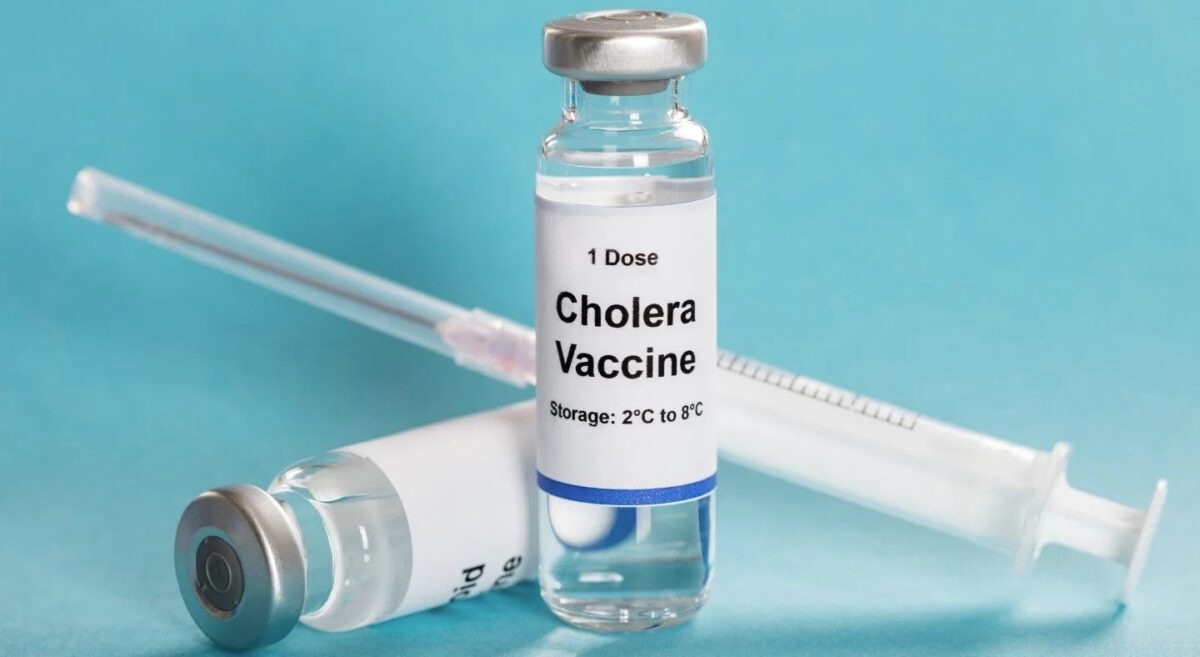
As Nigeria grapples with a cholera outbreak amidst a global shortage of vaccines, the Federal Government has initiated discussions with the Global Alliance for Vaccines and Immunisation (Gavi) to secure additional supplies of vaccines.
Director General of the Nigeria Centre for Disease Control and Prevention (NCDC), Jide Idris, who made the disclosure, yesterday, noted that recognising the urgent need for vaccines, the Coordinating Minister of Health and Social Welfare, Muhammad Pate, has entered into discussions with Gavi.
“Gavi, a global health partnership, plays a pivotal role in improving access to vaccines in low-income countries. Through these negotiations, Nigeria aims to secure an emergency supply of cholera vaccines to curb the outbreak. At present, cholera vaccines are not stocked in our public facilities, though they are available in limited quantities in the private sector. But vaccines alone are not the only preventative measures we have at the moment; we must also ensure environmental cleanliness and proper hand hygiene,” he said.
He said globally, the demand for cholera vaccines has surged, leading to severe shortage.
“This limited supply has strained efforts to control outbreaks in endemic regions, including Nigeria. Cholera, an acute diarrhoea disease caused by ingestion of contaminated water or food, remains a persistent health threat in Nigeria.
“The outbreak has significantly impacted several states, leading to numerous deaths and overwhelming healthcare facilities.
“Poor sanitation, inadequate clean water supply, and limited healthcare infrastructure have exacerbated spread of the disease,” Idris said.
In response to the crisis, he said the NCDC has intensified its public health campaigns, emphasising hygiene practices and the importance of clean water.
“However, these measures alone are insufficient without adequate vaccination coverage. The shortage of vaccines has hampered mass immunisation campaigns, crucial for preventing spread of cholera.
“The situation in Nigeria underscores broader issues of global health equity and preparedness. It highlights the necessity for increased investment in vaccine production and distribution infrastructure,” he said.
Additionally, he called for stronger international collaboration to ensure life-saving vaccines reached the most vulnerable populations in a timely manner.
In response to the escalating cholera outbreak in 31 states of the federation, he said the NCDC has activated its Emergency Operations Centre (EOC) to coordinate national efforts to combat the disease.
“The cholera outbreak is characterised by a case fatality rate of 3.5 per cent, significantly higher than the national expected average of one per cent, underscoring severity of the situation.”
He said Lagos accounted for the highest number of deaths with 29, followed by Rivers with eight, Abia and Delta with four each, Katsina with three, Bayelsa with two, and Kano, Nasarawa, and Cross River with one each.
“This alarming trend highlights the urgent need for a coordinated response to prevent further escalation of the crisis.
“Sixteen states accounted for 90 per cent of the confirmed cases, with Lagos being the epicentre of the outbreak.
“Lagos State, having the highest number of cases, has received significant focus, with ongoing support and resources directed to manage the outbreak effectively,” he said.
The states affected by cholera include Abia, Adamawa, Akwa Ibom, Anambra, Bauchi, Bayelsa, Benue, Borno, Cross Rivers, Delta, Ebonyi, Edo, Ekiti, the Federal Capital Territory, Gombe, Imo, Jigawa, Kano, Katsina, Kebbi, Kwara, Lagos, Nasarawa, Niger, Ogun, Ondo, Osun, Rivers, Sokoto, Taraba, and Zamfara.
He said a dynamic risk assessment conducted in May by experts from various fields, including health, environment, agriculture, and water resources, underscored the multifaceted nature of cholera prevention and control.
“It is clear that an integrated approach is necessary to address the complex factors contributing to the spread of cholera.
“Efforts should focus on improving water and sanitation infrastructure, promoting hygiene practices, and ensuring access to clean drinking water and safe food.
“Additionally, strengthening surveillance systems, enhancing healthcare delivery, and mobilising community engagement are critical steps we are using to manage and mitigate the outbreak,” he said.
As Nigeria continued to navigate this challenging period, he said the resilience and collective action of all stakeholders would be crucial in overcoming the epidemic and safeguarding the health and well-being of communities.
Since January 2023, there had been 82 million doses requested from 15 countries, almost double the 46 million doses produced over the same period.
The global stockpile was depleted until early March 2024, and currently has 3.2 million doses, far short of the five-dose goal.
Meanwhile, the Ministry of Water Resources and Sanitation,said it has reactivated its laboratories across the six geopolitical zones to curtail further spread of cholera outbreak in Nigeria.
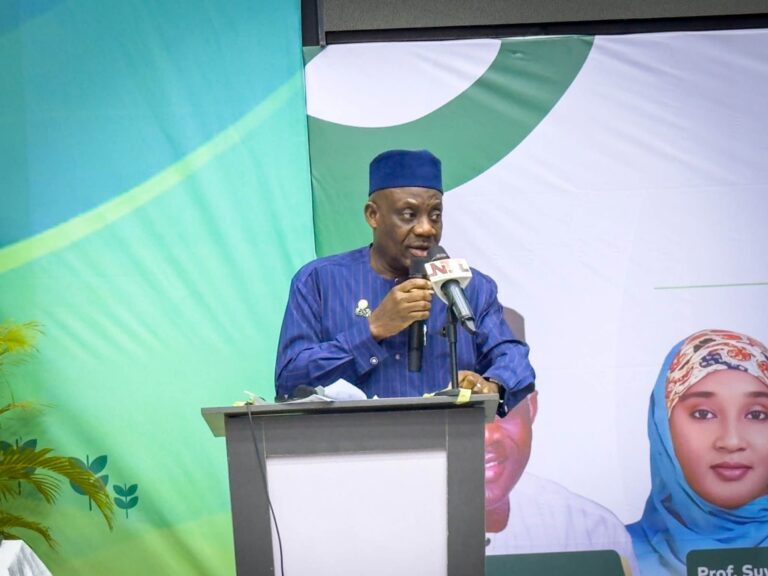
The Minister, Prof. Joseph Utsev, who spoke at the fifth Lagos International Water Conference with the theme “Financing Water and Sanitation for a Greater Lagos,” said the laboratory facilities would improve the detection and monitoring of cholera cases, aiding in quicker responses and more effective containment measures.
“This action reflects a proactive approach to public health management and underscores the importance of robust infrastructure in tackling infectious diseases.”
Utsev said that proactive measures were necessary for extensive public sensitisation on personal hygiene and ensuring the proper treatment or boiling of water and cooking of food and vegetables.
He emphasised the importance of increased investment in the water and sanitation sector, particularly urging state governors, development partners, and the private sector to prioritise such efforts.
He reassured that the Federal Government would continue to support states through various interventions to ensure access to clean and safe water and improved sanitation for all.
The minister stressed the necessity of public-private partnerships, saying such collaborations would attract private investment, enhance efficiency, and ensure sustainable service delivery.
He said that the government would leverage private sector expertise and capital to upgrade existing water infrastructure and expand coverage to underserved areas.
The minister also advocated for community-based organisations to mobilise resources and implement low-cost, decentralised solutions tailored to local needs, particularly in the areas of operation and maintenance.
He underscored the significance of international development assistance in financing water and sanitation projects in Nigeria, saying their contribution to providing grants, loans, and technical assistance was timely.
Utsev called on state governors and traditional and religious leaders to intensify campaigns against open defecation and to build more decent toilets to discourage the practice, aiming to achieve an open defecation-free status by next year.
Governor Babajide Sanwo-Olu reiterated his administration’s commitment over the past five years to addressing the water needs of Lagosians.
He, however, acknowledged the significant gap that still existed in achieving access to clean and safe water.
The governor called for more practical actions and support from the Federal Government, development partners, and other stakeholders in the water and sanitation sector.
The three-day International Conference featured presentations from notable figures, including Mrs Jette Bjerrum, the Consul General of Denmark in Lagos.
Other representatives from USAID and development partners also discussed the role of partnerships and collaboration to change poor water governance in the country.
Other News