Follow Us on Google
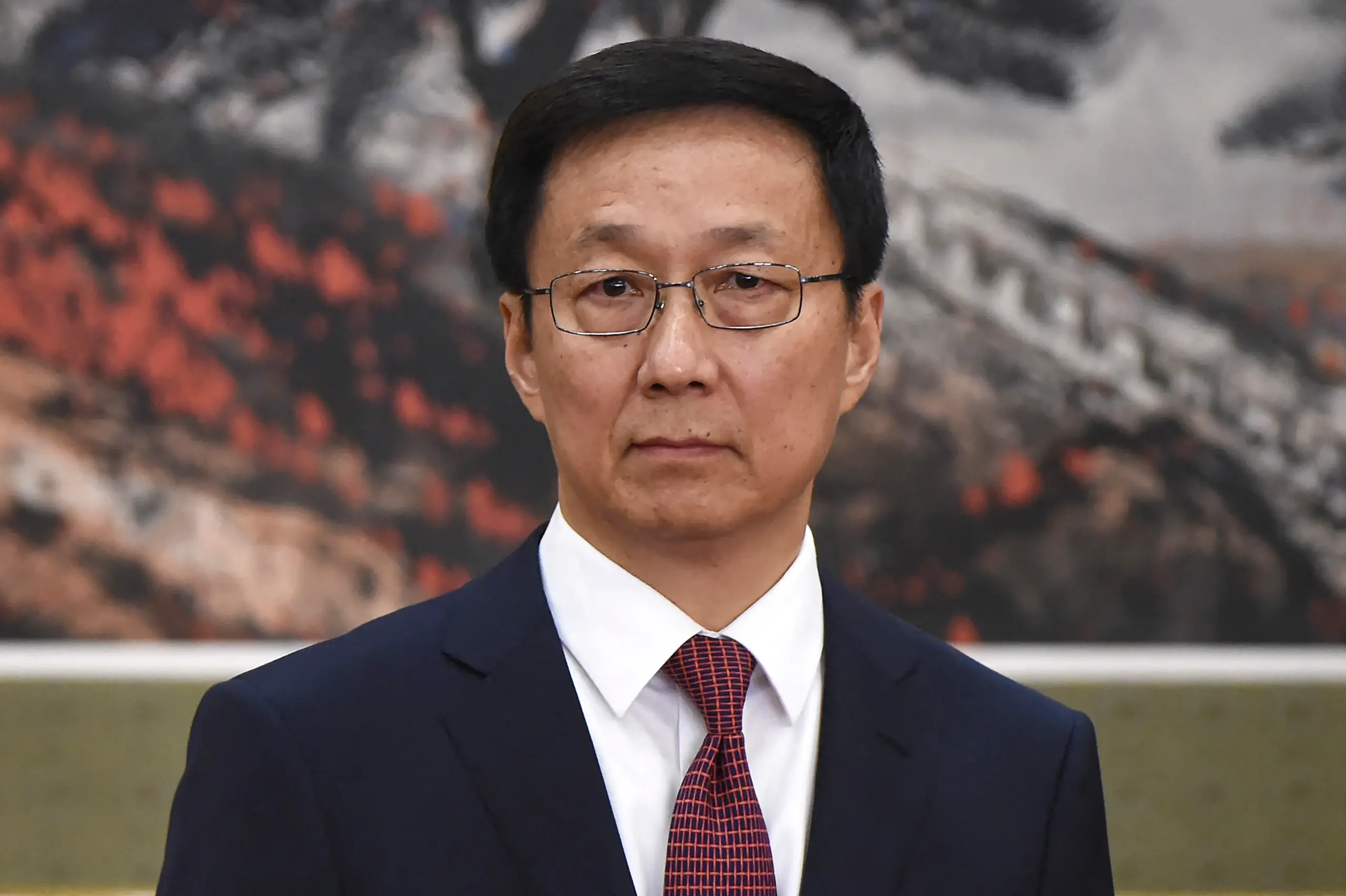
Chinese Vice-President Han Zheng will attend the general debate of the 81st session of the United Nations General Assembly (UNGA) in New York, United States, from 24 to 26 September.
The Chinese Foreign Ministry spokesperson, Guo Jiakun, disclosed the development in Beijing, China, during the ministry’s regular press conference.
Guo said on the sidelines of the general debate, Vice-President Han will attend the High-Level Dialogue on the Fifth Anniversary of the Global Development Initiative hosted by China, and meet United Nations Secretary-General Antonio Guterres, the President of the 81st UNGA session, Khalilur Rahman, and leaders of relevant countries.
Speaking about China’s expectation from the trip, the Chinese Foreign Ministry spokesperson also said across the world, changes unseen in a century are accelerating.
He further said the international landscape is volatile and fraught with risks and challenges.
Other News
“The United Nations is the core platform for global governance, and the general debate of UNGA is a vital opportunity for countries to build political consensus and coordinate multilateral actions. This year marks the 55th anniversary of the restoration of the People’s Republic of China’s lawful seat in the UN. At the general debate, Vice-President Han Zheng will present China’s views and propositions on the current international landscape, major international and regional issues, and the work of the UN,” Guo said.
Guo added that Vice-President Han Zheng will, during his participation, outline China’s strong actions to advance true multilateralism and promote world peace and development, and call on the international community to revitalise the authority and role of the United Nations, build greater synergy for reforming and improving global governance, and work together in the right direction of building a community with a shared future for humanity.
On Chinese President Xi Jinping’s state visit to the United States, Guo said China is ready to work with the United States to enrich the China-United States constructive relationship of strategic stability, enhance dialogue and cooperation, and properly manage differences to contribute to the well-being of both peoples and to a peaceful, stable and prosperous worl