Follow Us on Google
China has set out modalities to establish a clean, low-carbon, secure and efficient new energy system by 2030.
The move, according to CGTN, stemmed from a plan recently issued by the National Development and Reform Commission and the National Energy Administration.
“The plan, which covers the 15th Five-Year Plan period (2026-2030), sets out targets for strengthening energy security, advancing the green transition, boosting technological self-reliance and improving market mechanisms, among others.
“By 2030, China’s total energy production capacity will reach 5.8 billion tonnes of standard coal equivalent. At the same time, the power system’s capacity for complementary support, security and resilience will see comprehensive improvements, according to the plan,” CGTN wrote.
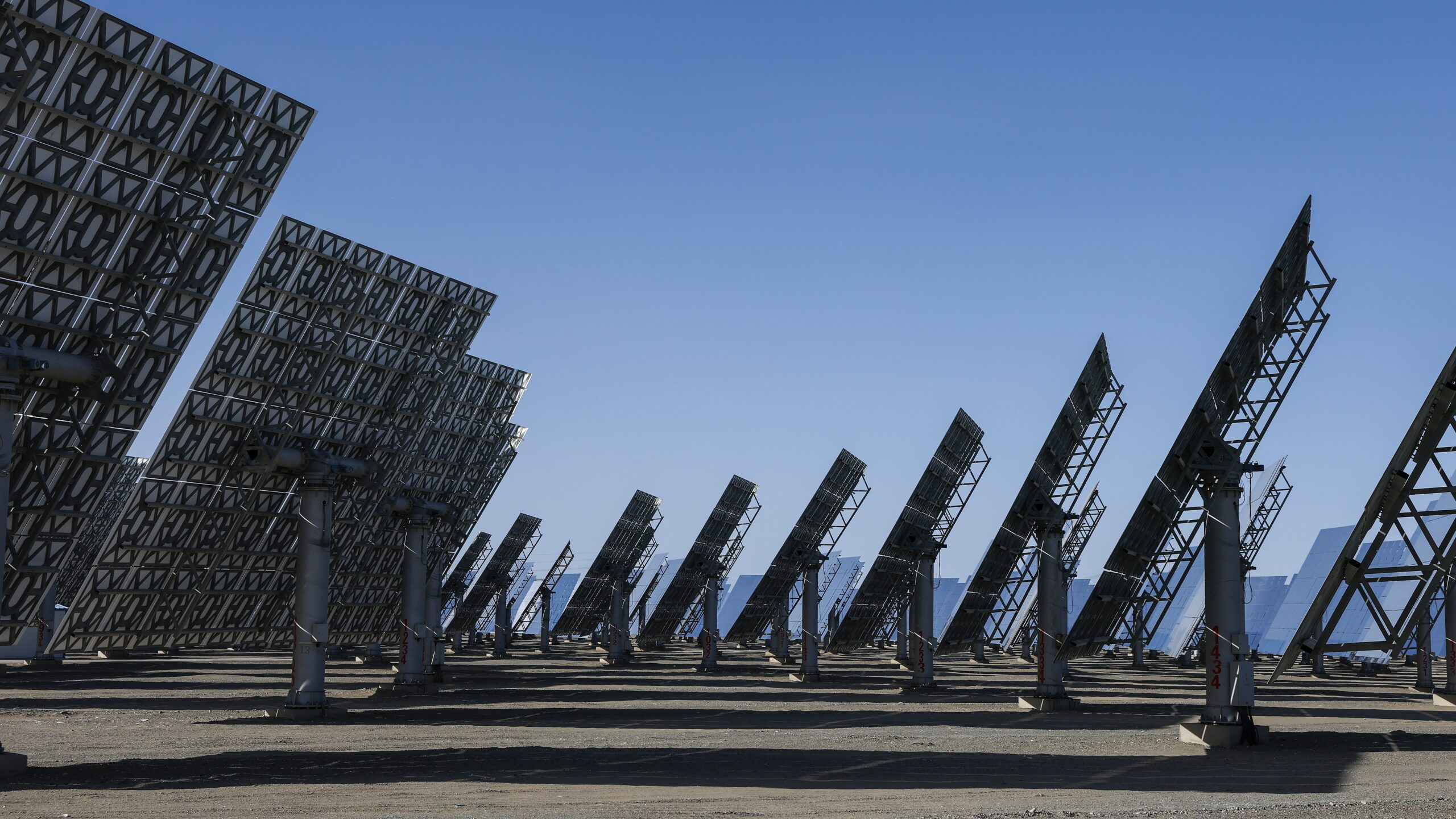
The plan, it further reported, disclosed that coal and oil consumption should peak, non-fossil energy should account for 25 percent of total energy consumption, and wind and solar power should make up more than 50 percent of the country’s total installed power generation capacity, becoming the mainstay of installed capacity.
In the plan, non-fossil energy is also expected to contribute 50 percent of total power generation by 2030, becoming the main source of electricity, the plan says.
“China will accelerate the construction of a new energy infrastructure system that is strong and resilient, green and low-carbon, integrated, intelligent and efficient. A new power system is also expected to be basically established by 2030,” CGTN stated.
The plan, according to CGTN, aims to make key technologies and equipment in the energy industrial chain largely self-reliant and controllable, while positioning China at the forefront of global energy technology innovation.
“It also calls for faster improvement of market and pricing mechanisms suited to the new energy system, with a unified national electricity market system to be basically established.
“The plan also stresses optimization of fossil energy production bases, better alignment between energy development and energy-consuming industries, and continued expansion of diversified energy import channels.
“China has set the dual carbon goals of peaking carbon dioxide emissions before 2030 and achieving carbon neutrality before 2060.
“The country has built the world’s largest and fastest-growing renewable energy system, providing stronger support for its green and low-carbon transition,” it added.