Follow Us on Google
By Michael Anthony
Africa does not suffer from a shortage of natural resources, international partnerships or development promises. Its enduring challenge is converting its enormous wealth into shared prosperity, industrial capacity, political stability and human security.
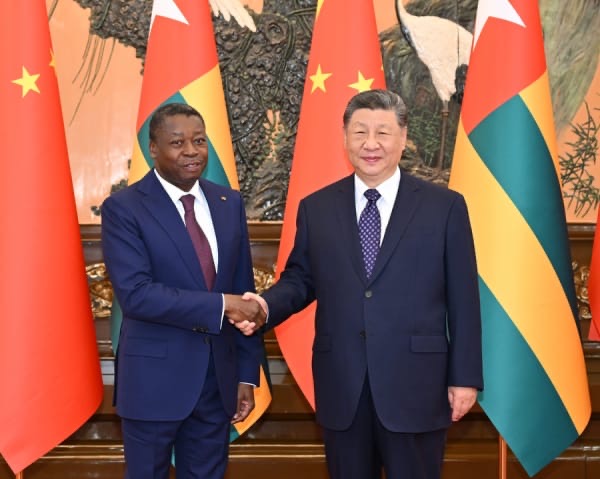
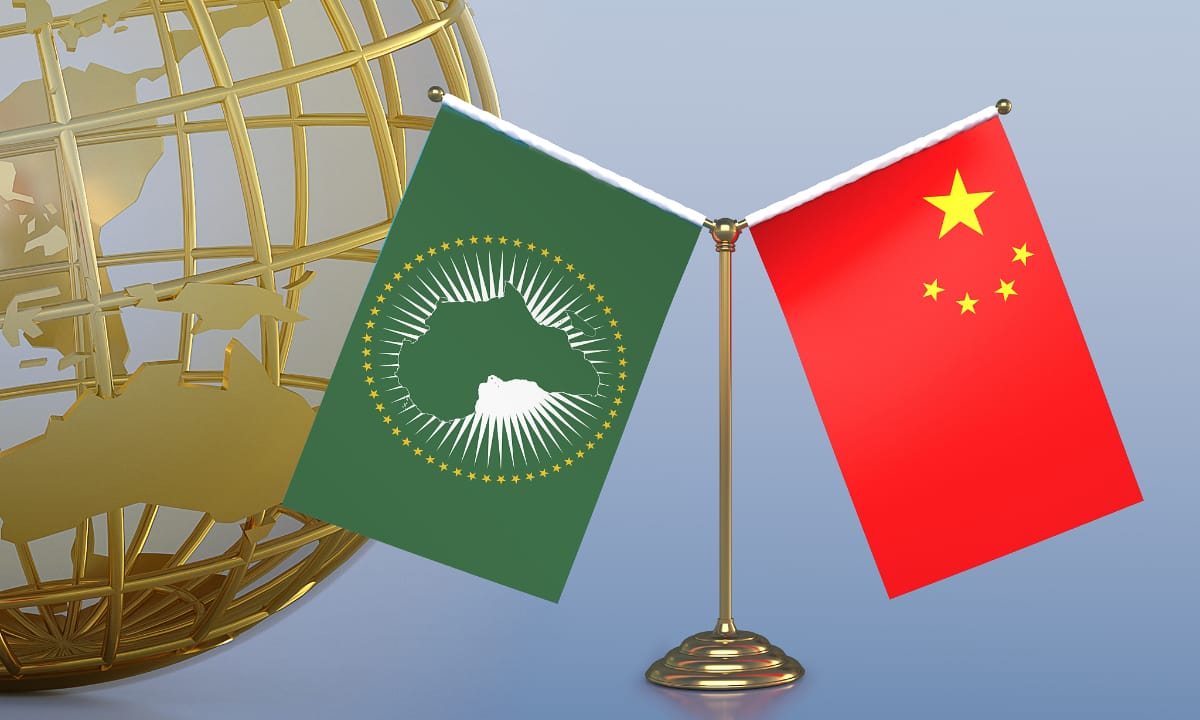
This contradiction provides a useful starting point for examining two recent interventions by Chinese President Xi Jinping: his four-point proposition on China-Africa mining cooperation and his four principles for the constructive participation of external actors in resolving conflicts in Africa, put forward during his meeting with President of the Council of Ministers of Togo Faure Essozimna Gnassingbe.
Taken together, these proposals address two fundamental questions confronting the continent: Who should determine how Africa’s resources are exploited? And who should determine the conditions under which its conflicts are resolved?
Xi’s emphasis on African ownership, mutual benefit, industrial development, fairness, sovereignty and peace offers a framework worth examining. However, the ultimate test is not how persuasively these principles are articulated in diplomatic engagements, but whether they produce measurable improvements in African lives.
Africa’s response should therefore be neither uncritical acceptance nor reflexive suspicion of China’s intentions. It should be strategic engagement informed by African priorities, institutional capacity and national interests. The challenge is to transform diplomatic principles into an Afrocentric development compact.
From Resource Ownership to Economic Sovereignty
Perhaps the most consequential statement in Xi’s mining proposition is that African resources belong to Africa. This principle speaks directly to a historical contradiction: the continent has supplied the world with minerals and other commodities for generations, yet many resource-rich countries continue to struggle with poverty, unemployment, technological dependence and inadequate infrastructure.
The problem is not simply that Africa exports raw materials. It is that the continent frequently occupies the weakest positions in global value chains, surrendering much of the processing, manufacturing and technological value creation to countries outside its borders.
Minerals such as cobalt, copper, lithium, manganese and platinum-group metals are essential to renewable energy technologies, electric vehicles and modern manufacturing. Africa’s mineral endowment should enable it to shape these industries rather than remain primarily a supplier of their raw materials.
Xi’s proposal to help African countries develop mining plans consistent with their national conditions is therefore significant. Nevertheless, African governments must determine the substance of those plans themselves.
An Afrocentric mining strategy should establish transparent licensing systems, credible environmental safeguards and long-term industrial policies. Mining agreements must include clear expectations for local employment, skills development, technology transfer and domestic value addition.
The objective is not to exclude foreign capital, but to ensure that it serves African development. Resource ownership must translate into economic sovereignty.
Industrialization and Green Technology Transfer
Xi’s call for high-quality development and industrial value addition raises an urgent question: how can Africa use its mineral wealth to build productive economies?
A country may export lithium while importing batteries manufactured elsewhere. Another may supply copper while purchasing finished electrical equipment produced abroad. Such arrangements generate economic activity without necessarily delivering the structural transformation required for sustainable development.
African governments should negotiate mining agreements that connect extraction to viable industrial ecosystems, including mineral processing, engineering services, equipment maintenance, research and specialized vocational training.
The African Continental Free Trade Area provides an opportunity to coordinate regional value chains. Rather than requiring every country to establish every stage of production, African states can develop complementary capabilities, supported by regional infrastructure and cross-border trade.
China’s industrial experience may offer useful lessons, but Africa should adapt relevant practices to its own circumstances rather than reproduce another country’s development model.
Technology transfer is equally important. Xi’s proposal that Chinese companies transfer green technologies suited to African conditions should mean more than importing modern equipment. It should involve building African capacity to operate, maintain and improve that technology.
Mining partnerships should therefore include measurable provisions for technical training, university research, environmental monitoring and local engineering capabilities. African research institutions must become active participants in these arrangements.
This is particularly important because poorly regulated mining can cause water pollution, land degradation, biodiversity loss and other environmental damage. Economic gains that destroy community livelihoods or impose long-term environmental costs cannot constitute high-quality development.
Strategic Autonomy in a Competitive World
Xi’s warning against using African resources for geopolitical rivalry reflects the continent’s position in an increasingly competitive international system.
China, the United States, European countries and other powers have economic and strategic interests in Africa’s minerals, infrastructure, energy resources and expanding markets. This competition can create opportunities, but it can also pressure African countries to prioritize external interests over domestic development.
The appropriate response is strategic autonomy, not isolationism or automatic alignment with any particular power.
African governments should negotiate with China and other international partners according to transparent development priorities. They should compare financing costs, assess environmental consequences, examine technology-transfer commitments and evaluate long-term economic benefits.
The same standards must apply to every investor. No partner should receive preferential treatment simply because it presents itself as Africa’s friend, just as no partner should be rejected merely because it competes geopolitically with another.
Africa must judge international partnerships by their contribution to African prosperity.
Other News
This requires stronger institutions capable of evaluating complex agreements, enforcing regulations and protecting the public interest. Without such capacity, legal ownership of resources may not translate into meaningful economic control.
African-Led Peacebuilding Must Be People-Centred
Xi’s second intervention addresses the settlement of African conflicts. His four principles—Africa-led processes, fairness and justice, cessation of hostilities, and addressing both immediate symptoms and underlying causes—offer a framework for examining international participation in peacebuilding.
The Africa-led principle recognizes that African people should remain central to decisions concerning their political future. External partners can provide mediation, humanitarian assistance, diplomatic support and reconstruction financing, but their participation should strengthen rather than displace African leadership.
The African Union, regional economic communities and national institutions have important responsibilities in conflict prevention and resolution. Their effectiveness, however, depends on political commitment, adequate resources and institutional credibility.
African ownership must also extend beyond governments and diplomatic institutions. Women, young people, traditional leaders, civil society organizations and displaced populations should have meaningful opportunities to influence decisions affecting their communities.
A peace agreement that satisfies political elites but ignores local grievances may suspend violence temporarily without establishing lasting peace.
An Afrocentric approach must therefore be both state-centred and people-centred, combining respect for national sovereignty with the protection of human dignity, civilian security and accountability under applicable national and international law.
Peace Requires Development and Justice
Xi’s emphasis on ending hostilities is important, but stopping violence is only the beginning of a more demanding process.
In many conflict-affected settings, insecurity intersects with competition over land and natural resources, political exclusion, unemployment, displacement and weak public institutions. Climate-related pressures can intensify existing vulnerabilities, particularly where communities depend on rain-fed agriculture or face water scarcity.
These pressures do not automatically cause conflict, but they can deepen economic hardship and existing grievances.
Sustainable peace therefore requires connecting immediate security measures with long-term development. This means restoring public services, creating employment opportunities, supporting displaced populations and strengthening local governance.
Where natural resources have contributed to conflict, transparent revenue management, equitable access to land, community consultation and effective environmental regulation should form part of the peacebuilding process.
Climate adaptation can also contribute to recovery. Programmes supporting sustainable agriculture, watershed restoration, renewable energy and local enterprise development may strengthen livelihoods while reducing pressure on natural resources.
Such interventions must respond to community priorities rather than impose generic solutions.
The central principle is that peace becomes more durable when people have a credible stake in its benefits.
An Afrocentric Implementation Agenda
African governments must now translate these diplomatic principles into practical action.
First, they should establish transparent resource-governance frameworks defining expectations for local employment, industrial value addition, technology transfer, environmental protection and community benefits. Major agreements should receive appropriate legislative scrutiny and independent oversight.
Second, African countries must invest in the technical, legal, financial and environmental expertise needed to negotiate effectively. Universities, geological institutions, regulatory agencies and research centres should be strengthened to ensure that governments can independently assess investment proposals.
Third, mining policy should be integrated with manufacturing, energy planning, infrastructure and regional trade. The African Continental Free Trade Area can support commercially viable regional value chains, provided that governments account for market demand, production costs, workforce capabilities and environmental considerations.
Fourth, African institutions should strengthen their capacity to prevent conflicts, mediate disputes and support reconstruction. Peacebuilding initiatives must incorporate affected communities and establish credible mechanisms for monitoring commitments.
Finally, governments should make accountability central to international partnerships. Citizens need reliable information about investment commitments, employment outcomes, environmental performance and public revenue. Independent civil society organizations, journalists, research institutions and oversight bodies have essential roles in ensuring that diplomatic promises translate into measurable results.
Nigeria can contribute to this agenda by connecting solid-minerals development with manufacturing, technical education, environmental protection and regional stability. Its partnerships with China and other investors should support geological research, mineral processing and skills development under transparent agreements that protect host communities and advance national priorities.
China’s engagement with Africa offers opportunities, but the sustainability of that relationship will depend on responsible investment, meaningful technology transfer, environmental protection and respect for African decision-making. The same standard must apply to every external partner.
Xi Jinping’s two interventions provide an opportunity to advance a wider conversation about Africa’s place in the international system. Their significance will ultimately depend on whether African governments move beyond diplomatic declarations to establish practical mechanisms for implementation.
__________________________________
Anthony, an international affairs analyst, writes from Lagos