Follow Us on Google
By Christy Anyanwu
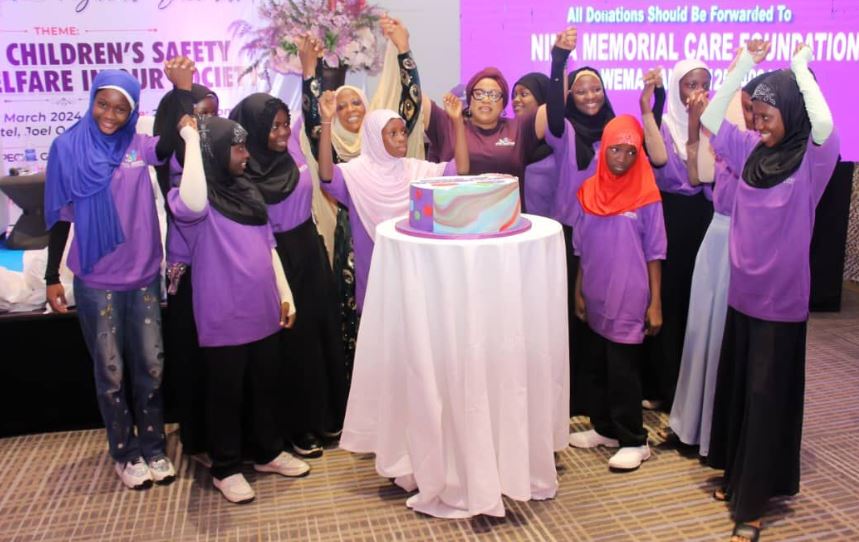
As part of its effort towards making orphans and vulnerable children safe, the Nima Memorial Care Foundation has resolved to enhance its charitable activities through welfare benefits.
Co-founder of the foundation, Mrs. Zainab Abdulmalik, stated this at the annual symposium/grand ball held recently in Lagos, with the theme: “Ensuring the safety and social welfare of children in the society.”
The symposium, organised by the Nima Memorial Care Foundation, sought to honour and perpetuate the work of Nimatallahi Fashipe, whose contributions to child welfare have left a lasting impact despite her untimely death at 30. With hundreds of communities and families touched by her efforts, the foundation aims to ensure that her vision for a safer and more nurturing society for children continues to inspire action.
According to Abdulmalik, children, especially the underprivileged, contend with numerous challenges, ranging from hunger, malnutrition, kidnapping, bullying and domestic accidents, among others.
She said the foundation was out to support the needs of underprivileged children, their safety and wellness: “Although the foundation was founded by Nimatallahi Fashipe, who passed on about a year ago, I and her siblings have decided to carry on her legacy.
“My late daughter was passionate about charity. She was interested in the safety and social well-being of the Nigerian child. The only way to keep her memory alive is to immortalise her and focus on empowering orphans and vulnerable children.
“Nimatallahi impacted about a hundred street children and sank boreholes in vulnerable communities in the North, where they lack good water. She visited orphanages and equipped street children with skills before her demise.”
Abdulmalik addied that: “With collaborative efforts, we would safeguard children from less privileged backgrounds. Governments play a critical role in safeguarding every child from poverty by strengthening the linkage between cash benefits and other social services.”
She urged government, humanitarian organisations and well-meaning Nigerians to support this cause, noting that they have been able to fund their activities from donations and 10 per cent from late daughter’s soap production factory.
Also, Commissioner for Finance, Kwara State, Dr. Hauwa Nuhu, said child safety was not just security alone but also education, well-being and their upbringing.
She explained that: “The Federal Government is concerned about the safety and security of children and has made efforts towards it. For instance, in Kwara State, Governor AbdulRahman AbdulRazaq has shown commitment to creating safe school environments because of his interest in education.”
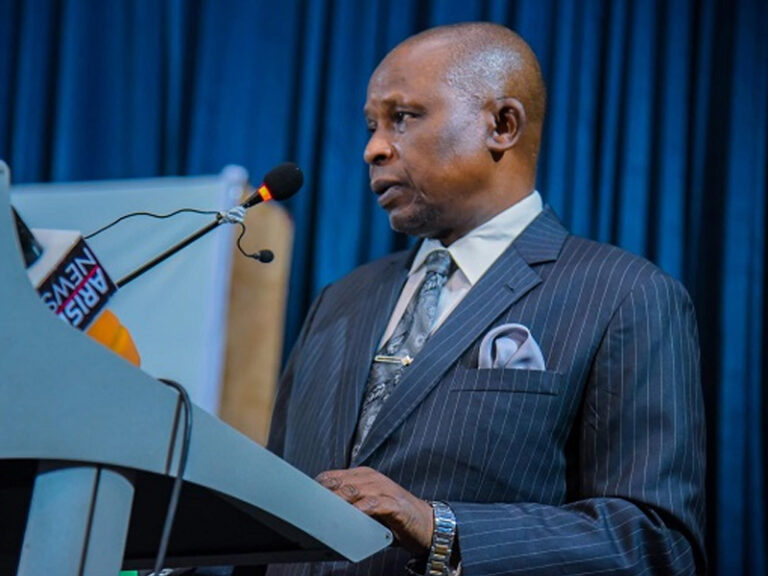
On his part, director of the Commonwealth Institute of Advanced and Professional Studies, Prof. Anthony Kila, appealed to educationists, government officials and families to be fully involved in the social welfare of children, adding that this would guarantee a better nation in the future.
Kila said the best way to make children good “is to make them happy.”
“But what can we do when children face environments that are not only unhappy but dangerous? In unsafe situations, child welfare steps in with the goal of promoting safety and security for children across the nation.
“It is the responsibility of individuals, organisations and governments to ensure that children are protected from harm and their rights respected. This includes providing a safe environment for children to grow and develop, protecting them from physical, emotional and sexual abuse, and ensuring they have access to education, healthcare and resources to fulfil their basic needs.
“Child welfare is a continuum of services designed to ensure that children are safe and that families have the necessary support to care for their children successfully,” he said.
From a different perspective, the chairman of the Christian Association of Nigeria in Lagos State, Bishop Adegbite Stephen, said children’s views should be heard and considered in any society.
He said: “As religious leaders, we have a duty to ensure they are safe and given support. Children and young people have the same general human rights as adults and other specific rights that recognise their special needs. Children are neither the property of their parents nor are they helpless objects of charity. They are human beings and are the subject of their own rights.”