Follow Us on Google
From Adanna Nnamani, Abuja
The Central Bank of Nigeria (CBN) has cautioned that rapid growth in digital payments could trigger currency substitution and foreign exchange volatility if not carefully managed.
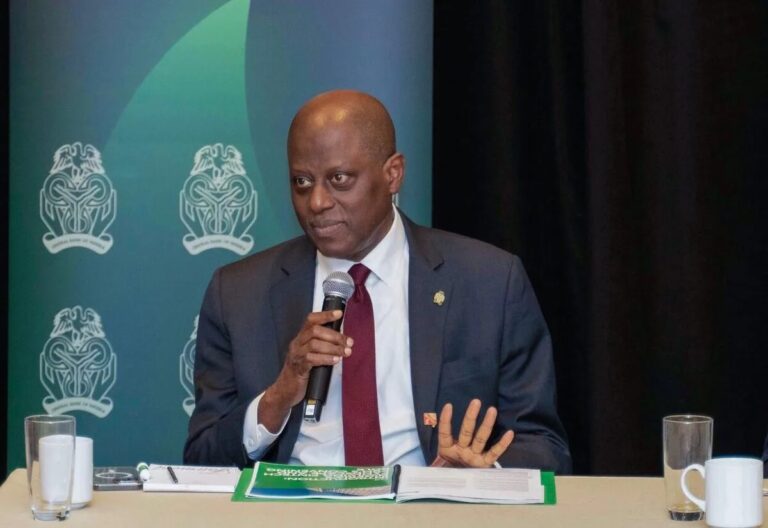
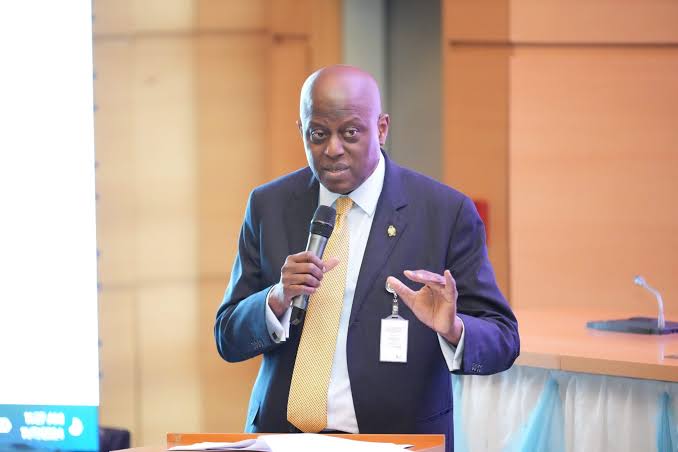
CBN Governor Mr Olayemi Cardoso stated this at the 2026 G‑24 Technical Group Meetings in Abuja on Thursday.
He highlighted the risks associated with the expansion of private digital payment platforms and stablecoins, warning that these could weaken monetary policy transmission and create pressures on the country’s financial system.
He said fragmentation across jurisdictions and dominance by foreign currencies could undermine monetary sovereignty, stressing the need for strong regulation and coordination.
Cardoso, however, noted the opportunities digital payment reforms bring, including improved cross-border payments, greater financial inclusion, and expanded access for households and small businesses.
The apex bank boss said that Nigeria’s ongoing digital payment reforms are driving a surge in remittances, with inflows now averaging about $600 million every month.
He explained that deliberate policy measures and innovative payment solutions are making it easier, faster, and cheaper for Nigerians abroad to send money home.
Cardoso urged G‑24 countries to adopt similar reforms to lower remittance costs, strengthen MSMEs, and deepen regional integration, citing Nigeria’s experience as a successful model of how digital payments can transform economies.
He said, “The opportunities of digital payments come with equally significant risks. The expansion of private digital payment platforms and stablecoins raises concerns about currency substitution and weakened monetary transmission; increased FX volatility and capital flow pressures; systemic importance of non-bank payment providers and regulatory arbitrage and fragmentation.
“Without coordination, digital cross-border payments risk becoming fragmented across jurisdictions, entrenching dominant currencies and platforms, reducing interoperability, increasing costs and undermining the ability of Emerging Market and Developing Economies (EMDEs) to safeguard monetary sovereignty.
“G‑24 countries, many with shallow markets and capacity constraints, face amplified vulnerabilities. This is why the digital transition must be carefully sequenced and well‑regulated.”
Also speaking, Finance Minister and Coordinating Minister of the Economy Mr Wale Edun said that current tax reforms and digitalisation efforts will boost Nigeria’s tax-to-GDP ratio to 18 per cent in the medium term.
Edun explained that the nation is improving its tax system and moving away from heavy borrowing to a growth model driven by domestic reforms and private investment.
Other News
He said the government is modernising tax laws, broadening the tax base, and improving compliance through technology-driven systems, including the National Single Window initiative, RevOp, and a Central Billing System.
These measures, he added, will eliminate inefficiencies, reduce leakages, and curb direct deductions by portals and PSSPs.
Edun emphasised that these reforms align closely with the G‑24’s priorities on tax cooperation, transparency, base erosion, and combating illicit financial flows, adding that by combining broad-based tax reforms with digital systems, the country aims to create a fair, efficient, and growth-supporting revenue system that encourages private investment and sustainable development.
According to him, “Nigeria aims for average medium-term growth of 7 per cent, which will require raising the investment-to-GDP ratio to at least 30 per cent. With the current public sector’s financing capacity at roughly 5 per cent of GDP, the strategy emphasises attracting private capital through structured PPPs, optimising public assets, and creating bankable, de-risked investment opportunities.
“Strengthening domestic resource mobilisation: To ensure sustainable financing for development, Nigeria is advancing a comprehensive domestic revenue mobilisation strategy built on reforms that prioritise efficiency, transparency, and technology.”
The Minister further called for enhanced South–South cooperation, including the expansion of trade and investment corridors, stronger regional integration under the African Continental Free Trade Area (AfCFTA), and knowledge sharing in technology, industrial parks, as well as digital innovation. He noted that these strategies could help the Global South capture a larger share of global trade, stabilise supply chains, and create jobs for the growing youth population.
He also stressed the need to reform the global financial system so countries that have lost market access can get funding, while promoting reliable climate financing, new financial tools, and digital cooperation to improve governance and financial inclusion in developing economies.
On her part, Director and Head of Secretariat of the G‑24, Dr Iyabo Masha, warned that many Emerging Market and Developing Economies (EMDEs) are operating under severe fiscal strain as debt-service obligations swallow increasing portions of government revenues.
Masha revealed that external public debt service among developing countries has surged sharply in recent years, with many nations devoting large shares of export earnings to meeting obligations, leaving little room for infrastructure, social spending and climate investment.
According to her, although global financial conditions have eased slightly compared to the peak of monetary tightening, lower-rated economies continue to face elevated borrowing costs and rollover risks.
She cautioned that sudden changes in global investor confidence could lead to capital outflows and weaker currencies, making it harder for them to repay or refinance their debts, especially in countries with less developed financial markets.
Masha also warned that increasing trade barriers and protectionism are slowing global trade, which is expected to grow by only about 0.5 per cent in 2026. She said weaker demand from abroad and higher tariffs are making recovery more difficult for developing countries.
She called for stronger macroeconomic frameworks, improved domestic resource mobilisation, greater investment in climate resilience and human capital, as well as deeper regional trade integration to unlock sustainable, job-rich growth.