Follow Us on Google
• To freeze accounts of terror financiers, BDC operators
• Orders banks to freeze accounts of customers linked to vice
By Chinwendu Obienyi
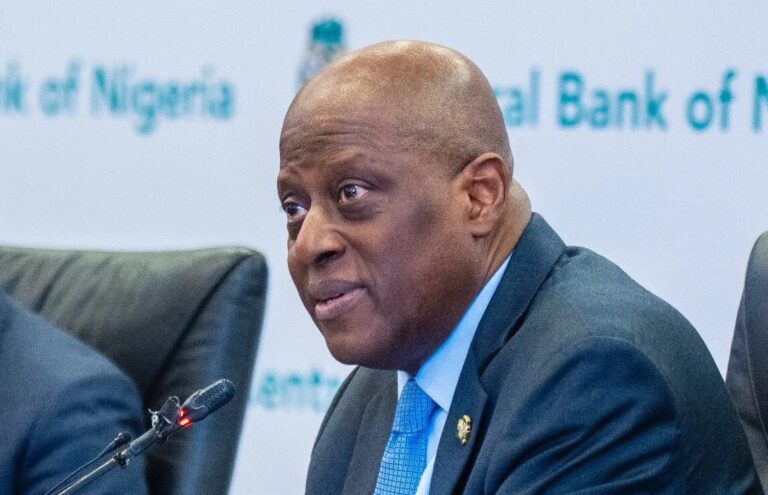
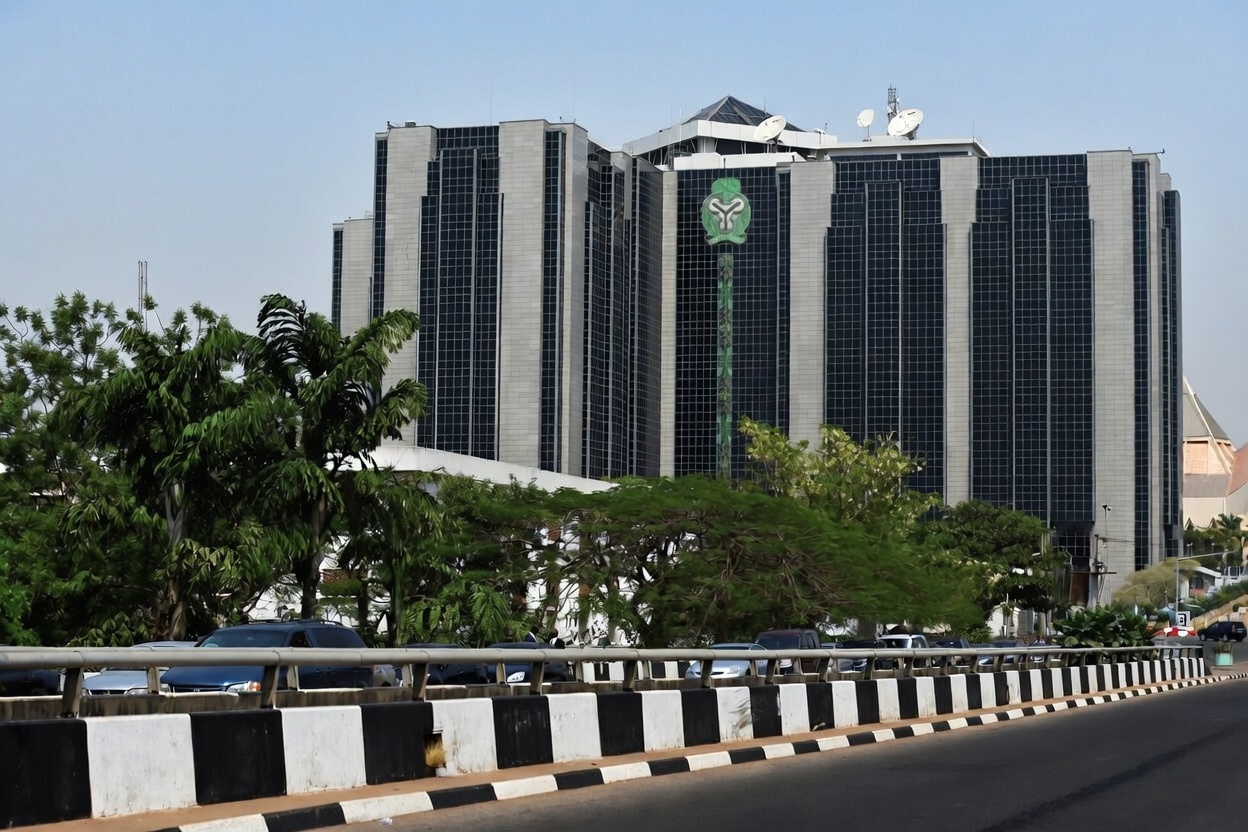
The Central Bank of Nigeria (CBN) has ordered banks and other financial institutions to immediately freeze accounts, assets and transactions linked to six individuals and four Bureau De Change (BDC) operators designated for alleged involvement in terrorism financing.
The directive, contained in a circular dated June 24, 2026, is part of a broader crackdown on terrorism financing and follows an update of the Nigeria Sanctions List by the Nigeria Sanctions Committee (NIGSAC).
The apex bank said the sanctions, which took effect on June 18, 2026, are binding on all regulated institutions, including commercial banks, merchant banks, payment service banks and other financial service providers.
In the circular with reference number CMD/FCS/PUB/CIR/002/011, the CBN notified financial institutions of fresh sanctions imposed by NIGSAC in collaboration with the United States Department of the Treasury’s Office of Foreign Assets Control (OFAC) under Executive Order 13224, as amended.
The four affected BDC operators are Generation Currency Bureau De Change Limited, Manhattan Bureau De Change Limited, Nine to Nine Exchange Bureau De Change Limited and Abbal Bako & Sons Bureau De Change Limited.
The CBN directed all regulated institutions to identify and freeze, without prior notice, all funds, assets and economic resources belonging to or controlled by the designated persons and entities.
According to the bank, the sanctions extend beyond accounts held directly by the affected individuals and organisations to include any assets or entities in which they hold significant ownership interests. “The freezing obligation extends to all funds or other assets that are owned or controlled by designated persons and entities, and to entities owned, directly or indirectly, to the extent of 50 per cent or more by designated persons,” the CBN stated.
Other News
The regulator further instructed financial institutions to prevent the designated individuals and entities from accessing funds or financial services through any channel.
It said regulated institutions must ensure that no funds, assets, economic resources or financial services are made available to the sanctioned persons, either directly or indirectly through third parties or intermediaries.
To strengthen enforcement, the CBN also directed institutions to file Suspicious Transactions Reports (STRs) with the Nigerian Financial Intelligence Unit (NFIU) where applicable and maintain strict compliance with existing anti-money laundering and counter-terrorism financing regulations.
The latest move comes days after the United States government announced sanctions against Mukhtar Muhammad, a Lagos-based Bureau De Change operator accused of facilitating financial transactions on behalf of the Islamic State West Africa Province (ISWAP). In a statement issued earlier this week, OFAC alleged that Muhammad, also known as Mukhtar Adamu Muhammad, acted as a financial facilitator for ISWAP by helping move funds and conduct transactions for the terrorist organisation.
The U.S. agency also designated three companies allegedly associated with Muhammad—Nine To Nine Exchange Bureau De Change Limited, Generation Currency Bureau De Change Limited and Manhattan Bureau De Change Limited—claiming they were used to channel funds for the extremist group.
The sanctions form part of coordinated efforts by Nigerian and international authorities to disrupt financial networks used by terrorist organisations and strengthen safeguards against illicit financial flows. Counter-terrorism experts say cutting off access to financial resources remains one of the most effective strategies for weakening extremist groups, as it limits their ability to recruit members, procure equipment and sustain operations.
The development underscores growing cooperation between Nigeria and its international partners in tackling terrorism financing, particularly as regulators intensify scrutiny of sectors considered vulnerable to money laundering and illicit fund transfers. It also comes amid renewed efforts by authorities to strengthen oversight of the Bureau De Change industry, which has faced increased regulatory attention in recent years over concerns about compliance, transparency and its potential exposure to financial crimes.
Analysts believe the latest sanctions signal a tougher enforcement stance by regulators and could lead to increased monitoring of financial transactions across the banking and foreign exchange sectors as authorities seek to protect the integrity of Nigeria’s financial system and prevent the abuse of legitimate financial channels by criminal and terrorist networks.