Follow Us on Google
• Says 70-100 years of pollution is ‘ecocide’
•MEDI demands cleanup beyond Ogoniland
From Tony John, Port Harcourt
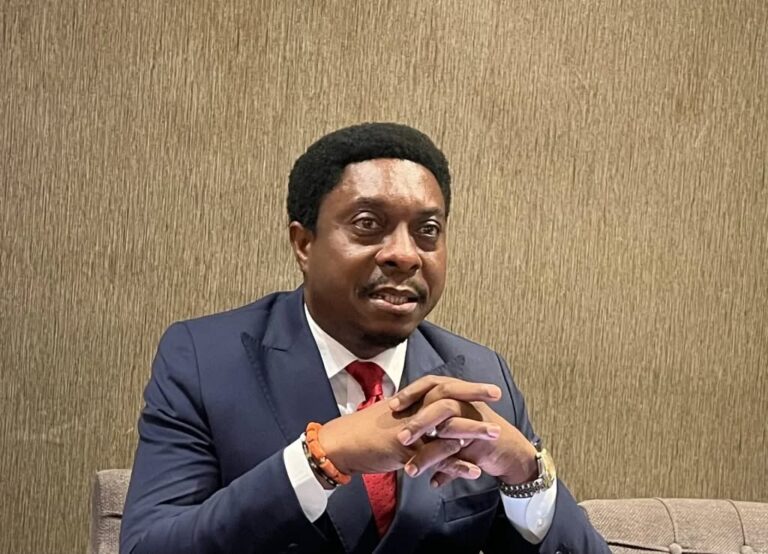
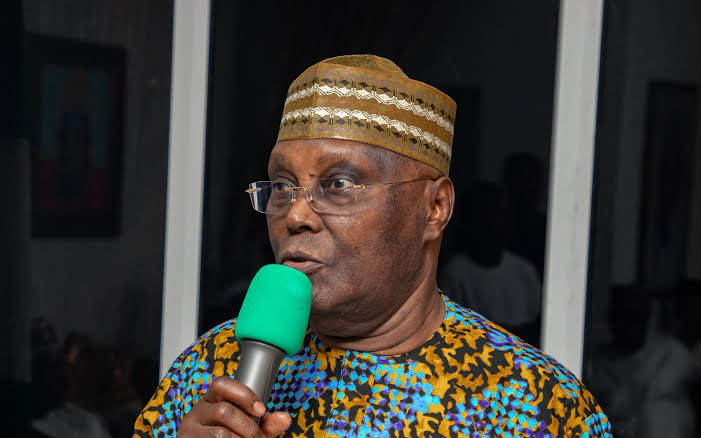
Environmental advocate and former Commissioner for Environment, Bayelsa State, Dr. Iniruo Wills, has charged Niger Deltans to make cleanup of the region a condition for votes in the 2027 elections.
Speaking at the recent Regional Dialogue on Niger Delta Environmental Cleanup organized by Miideekor Environmental Development Initiative (MEDI), in Port Harcourt, Rivers State, Wills launched what he called a “Civil Society Campaign Challenge for 2027.”
“No Cleanup, No Vote!” he declared to applause from traditional rulers, Civil Society Organizations (CSOs) and community leaders.
“Niger Deltans should be vigorously sensitized and mobilized to vote only for candidates who have caused a cleanup or have a Niger Delta-wide stakeholder-agreed programme and personally-signed commitment to cleanup the ecologically-bombed Niger Delta region.”
Wills said Nigeria and every president since 1999 should be “ashamed” that the country is the most petroleum-polluted in the world.
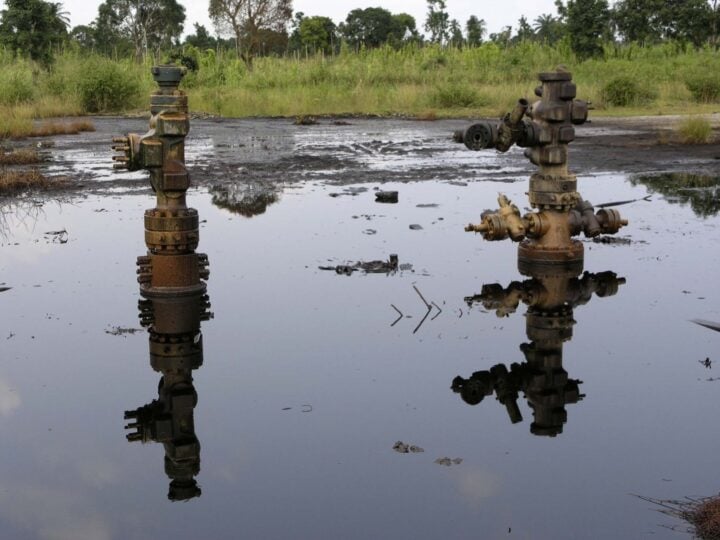
He compared seven decades of oil exploration without remediation to slavery and colonialism, and said the scale of damage in the Niger Delta amounts to “ecocide.”
“Let it sink into everyone’s head that the 70-100 years of reckless pollution, gassing and ecological degradation of the Niger Delta region is on the same scale of inhumanity as those historical crimes against humanity,” he said.
Citing the Bayelsa State Oil and Environmental Commission report, he described the situation as “environmental genocide” and noted that the International Criminal Court
(ICC) Office of the Prosecutor is already exploring the trial of ecocide.
He added that some industry and government executives “who have caused or allowed this environmental genocide will be prosecuted by the world’s criminal court, hopefully soon enough.”
Earlier in his address, the Team Lead of Miideekor Environmental Development Initiative (MEDI), Comrade Celestine Akpobari, called for a regional approach to the Niger Delta environmental clean-up, warning that limiting remediation to Ogoniland will amount to failure.
He said the crisis cuts across all nine oil-producing states and cannot be addressed in isolation.
Akpobari told traditional rulers, CSOs, community representatives and other stakeholders: “If we leave this hall today believing that a clean Ogoniland means a clean Niger Delta, we will have failed everyone who could not be in this room.”
Citing examples, he asked participants to “ask Bayelsa” where oil spills, gas flaring and mangrove destruction have devastated communities; “ask Rivers” where pipeline spills and artisanal refining continue; “ask Delta, Ondo, Akwa Ibom, Imo, Abia, Edo and Cross River” where oil pollution, erosion and gas flares persist.
He referenced the 2023 Bayelsa State Oil and Environmental Commission report which described the situation in the region as “environmental genocide.”
“A people poisoned slowly, generation after generation, in the very land meant to sustain them, while the wealth pulled from beneath their feet built cities they will never see,” Akpobari said.
The MEDI lead team said 15 years after the United Nations Environment Programme (UNEP) report on Ogoni, little has changed, wondering why nothing tangible has been done to clean up Ogoni.
He accused the Federal Government of failing to contribute to the Environmental Restoration Fund set up to finance the Ogoni cleanup being
implemented by HYPREP.
“And even as that cleanup limps along, unfunded by the government that promised it, Shell, the company most responsible for the mess we are gathered here to discuss has simply divested and walked away, leaving the land wounded and the liability behind for us to carry,” he said.
He called for clarity on the roles of community representatives, CSOs, the press, the Federal Government and oil companies operating across Ogoni, Bayelsa, Rivers, Delta and other impacted areas.
Akpobari concluded that what the region needs is “a cleanup process that is transparent, scientifically credible, properly funded, community-centred and accountable.”I’m