Follow Us on Google
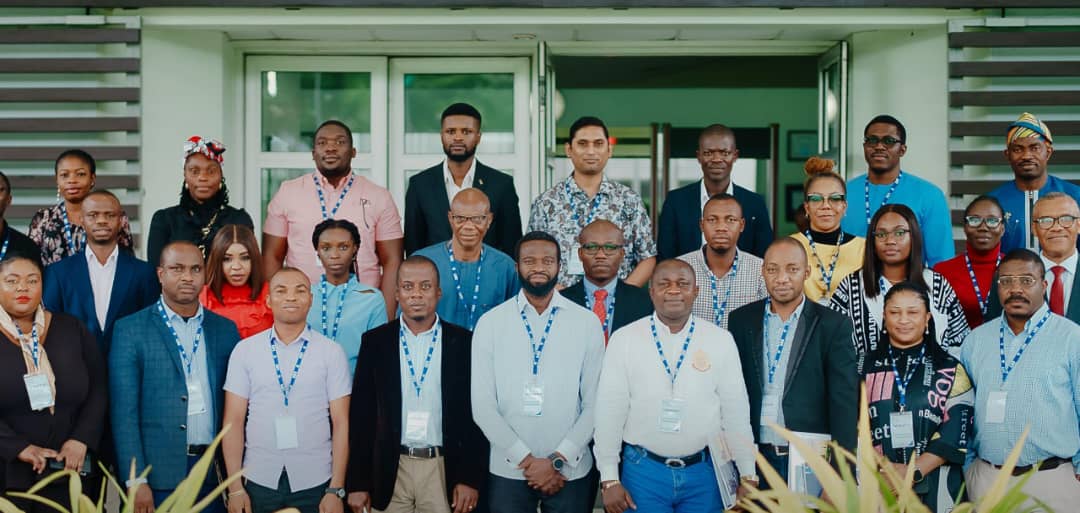
Capsa Technology has reaffirmed its commitment to empowering the country’s supply chain and logistics sector.
In collaboration with Lagos Business School, Capsa recently hosted the “Supply Chain 4.0: Technology, Factoring, and the Future of Supply Chain” executive course.
The programme brought together executives from the pharmaceuticals, healthcare, oil and gas and manufacturing industries.
Speaking during the event, Chukwuka Nwagbara, Capsa’s chief operating officer, said the company is dedicated to enhancing the supply chain ecosystem by providing an alternative form of financing that is affordable, quick and convenient.
“In just two years of existence, we have empowered businesses with over N13.7 Billion ensuring that these businesses have the required working capital they need to keep their companies going without taking additional loans or raising equity,” Nwagbara said.
Capsa’s CEO, Mustapha Suberu, said the company is on a mission to boost small businesses with its factoring and reverse factoring solutions, which directly put cash into their hands and help them continue the seamless operations of their businesses.
“Our recent partnership with LBS emphasized that the days of waiting are indeed behind us. Technology is revolutionizing the supply chain sector and unlocking the critical cash flow that drives growth, especially in the face of currency fluctuations and other challenges,” Suberu said.
Frank Ojadi, Academic Director, LBS said Capsa Technology Ltd has blazed the trail of supply chain innovations by developing a software which has revolutionized the management of working capital for vendors and corporate organisations alike.
“This innovation was evaluated and applauded by the users who attended the Supply Chain and Logistics 4.0 masterclass at Lagos Business School where the gaps it bridges within the supply chain and the gains earned were acknowledged.
“This is an innovative software that converges the investors, vendors and supply chain organisations into finding lasting solutions to working capital management challenges,” Ojadi said.
Attendees also represented key roles as directors, heads of procurement, finance managers, and supply chain and logistics managers. Together, they converged to explore and gain further insights into the cutting-edge strategies and technologies that are currently shaping the future of supply chain management in Nigeria and the world.