Follow Us on Google
By Zaneta Ameh
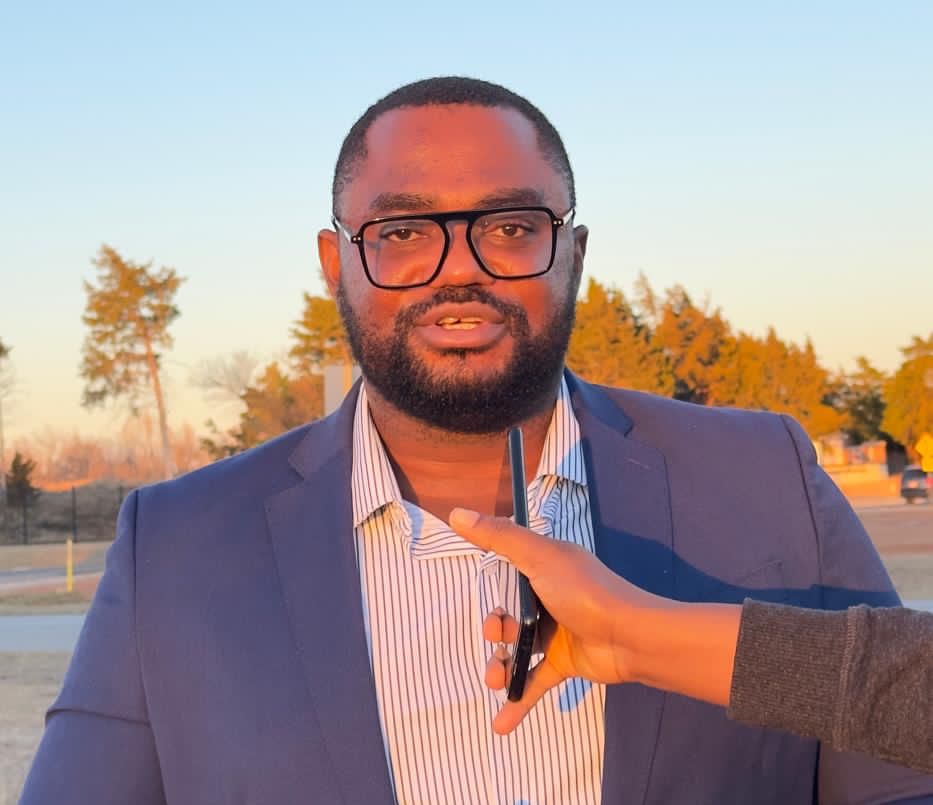
Ifesinachi Ayogu is a PhD candidate in Communication at the University of Oklahoma, United States. With a research focus on cancer communication, he believes that meaningful progress in cancer care for Nigerian women will depend as much on effective communication as on medical intervention. In this interview with Oladele Oge of the University of Nigeria, Nsukka (UNN), Ayogu speaks on his academic journey, motivation, and plans to improve cancer awareness and early detection in Nigeria.
How long have you been in this academic programme?
I gained admission into a fully funded PhD programme in Communication at the University of Oklahoma in August 2023. It was a major breakthrough for me, both academically and personally. I had progressed steadily from my bachelor’s degree to my master’s degree in Mass Communication at the University of Nigeria without taking a break, but this stage felt different. It was not just another academic step; it was validation that the questions I had been asking and the work I wanted to pursue had global relevance.
What makes this PhD particularly meaningful is how closely it aligns with my lived experiences and long-standing concerns about cancer in Nigeria and beyond. Before leaving Nigeria, I had already begun questioning why cancer especially breast and prostate cancer was claiming so many lives amid limited public discussion, poor early detection, and weak care coordination. This doctoral programme has equipped me with the theoretical grounding and research tools to move beyond concern and begin developing evidence-based solutions.
My research focuses on health communication, cancer awareness, patient–provider interaction, and how individuals manage uncertainty when faced with life-threatening illnesses. I am examining how clear, ethical, and culturally sensitive communication can improve early detection, boost patient confidence, and strengthen trust in healthcare systems. This work has allowed me to turn personal passion into structured research capable of informing policies, campaigns, and interventions.
As a Mass Communication graduate, what motivated your focus on cancer research within health communication?
My motivation stems from what I observed in Nigeria, particularly in Enugu State. Over time, deaths from breast and prostate cancer became increasingly common across many communities. What troubled me most was that the problem went beyond the disease itself. Public awareness was low, many patients presented late at hospitals, and care pathways were often poorly coordinated.
Many people did not understand the importance of early screening, how to identify warning signs, or where to seek specialised care. One experience that deeply influenced me involved following the cases of at least six men treated for prostate cancer at a hospital in Nsukka.
Although they initially appeared to recover after surgery, their conditions deteriorated within about six months, and all eventually passed away.
Witnessing this pattern made it clear that delayed detection, limited patient education, and weak referral and follow up systems were costing lives.
I began asking why cancer prevalence was increasing while prevention education and early detection efforts remained inadequate. I realised that effective health communication could save lives by increasing awareness, encouraging early screening, guiding timely care seeking behaviour, and strengthening referral practices. That realisation shaped my commitment to cancer-focused research in health communication.
What methods do you intend to apply, especially in rural communities?
Our approach recognises that cancer awareness is influenced not only by individuals, but also by families, communities, institutions, and the broader health system. As a result, the strategy operates at multiple levels simultaneously.
At the individual level, we focus on practical education, helping people recognise early warning signs, understand breast self examination, and appreciate the importance of early screening. At the interpersonal level, we engage family networks, women’s groups, and peer discussions to normalise conversations around cancer and reduce stigma.
At the community level, we partner with trusted institutions such as religious organisations, markets, and women’s associations to deliver culturally appropriate and medically accurate information. At the health-system level, we collaborate with healthcare institutions and public health authorities to strengthen referral practices and access to specialised care.
The programme follows a step-by-step process. First, we conduct assessments to understand existing knowledge, beliefs, fears, and barriers to early screening.
Next, we implement interventions through community education sessions and radio programmes, which remain the most accessible and trusted medium in rural areas. We also work closely with healthcare providers to ensure clear and effective referral pathways.
Success will be measured through indicators such as improved awareness of cancer warning signs, greater acceptance of early screening, increased care-seeking behaviour, and better coordination between communities and health facilities.
Are you hoping for government support, and how will the project be funded?
My goal is not just government support, but government partnership.
Cancer prevention and early diagnosis are most effective when integrated into existing public health structures. That is why I established the Victoria Pink Foundation to serve as a bridge between research, communities, hospitals, and health agencies.
Funding will come from partnerships, grants, donors, and collaborations, with the aim of fostering cooperation between government institutions and community organisations.
Beyond funding, what other strategies will drive awareness?
Two major strategies are salience and community ownership. Salience involves making cancer awareness difficult to ignore through consistent visibility in trusted spaces such as churches, radio, and markets. Repeated exposure encourages discussion, questions, and action.
Community ownership ensures that churches, women’s groups, and local organisations adopt cancer awareness as an ongoing conversation rather than a one off event. This helps reduce stigma and encourages openness, particularly in communities where discussions around breast health are culturally sensitive.
Will this initiative clash with local health practitioners?
Not at all. Health professionals are frontline partners, and any credible cancer campaign must work with them. Accuracy, safety, and proper referral are critical when addressing sensitive health issues.
Our role is to raise awareness and promote early action, while healthcare professionals ensure that information is accurate, ethical, and culturally appropriate. This aligns with established public health ethics that emphasise maximising benefits and minimising harm. Given the emotional burden associated with cancer, medical professionals are essential partners in helping patients navigate diagnosis and care with dignity.
What is your strategic plan, and when will the campaign commence in Nigeria?
As I conclude my programme, the campaign is being prepared to roll out in phases starting from mid-2026.
Phase One will focus on assessment and preparation, engaging community leaders, women’s groups, religious organisations, healthcare providers, and local health authorities to understand beliefs, barriers, and system capacity.
Phase Two will involve pilot implementation in selected communities through limited radio programmes and targeted education sessions to test effectiveness and refine strategies.
Phase Three will be the full public launch, expanding outreach, strengthening radio programming, and deepening coordination with health facilities.
Phase Four will focus on maintenance, evaluation, and scale-up, assessing changes in awareness, screening behaviour, and referral patterns, with successful strategies expanded to additional states.