Follow Us on Google
• Residents live in fear as every rain brings ruin
From Aniekan Aniekan, Calabar
When clouds gather over Efut Efio Ene in Calabar South Local Government Area of Cross River State, residents don’t reach for umbrellas. They brace for doom.
Here, rains don’t bring relief, they bring ruins. Within minutes, streets turn to flowing rivers; homes become traps, and years of labour turn to debris floating past doorsteps. For this Calabar community, every downpour is a story of loss, displacement, and grief.
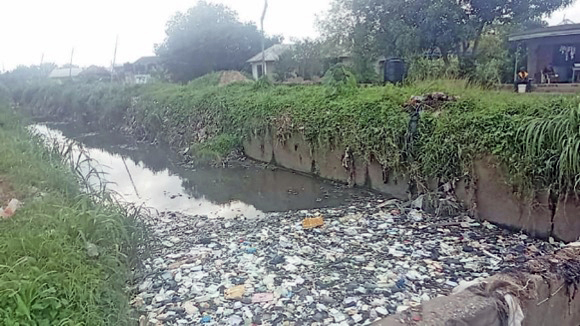
The floodwaters don’t come alone. They drag plastic waste, sewage, and disease through the main drainage that cuts through the area.
The canal which connects the Calabar Main Channel was once regularly evacuated. Currently, it is silted as tonnes of waste choke its path. Children wade through contaminated pools and debris to get to school. And when the rain subsides, the fear remains – because in Efut Efio Ene, the next storm is never far away.
Successive governments, both state and local have failed to clear the waterway, exposing residents to avoidable environmental and health risks.
Residents fear more lives may be lost unless urgent action is taken to stop the recurring floods ravaging the community.
A visit to Efut Efio Ene revealed clogged drainage channels filled with plastic waste, debris, and overgrown vegetation. The blockage prevents water from flowing into nearby rivers. Signs of erosion and water damage scar several buildings, while stagnant pools dot parts of the community.
Clan Head of Efut Efio Ene, Muri Ekong Umo Ekpo II, described flooding as the community’s biggest challenge.
“Our major problem here is flooding. All the floodwaters from different parts of Calabar pass through this community. During the administration of Donald Duke, these drainage channels were evacuated regularly and the water flowed directly into the river,” he said.
He lamented that maintenance stopped years ago, resulting in blocked channels and worsening floods.
“The channels have been blocked and water can no longer flow freely into the river. Whenever it rains, the flood spreads across the community, destroying houses and property. We have discovered corpses here after heavy rains. Water carries people from different places and deposits them here. Many lives have been lost because of this problem,” he said.
Other News
The traditional ruler appealed to the state government to urgently evacuate the blocked channels and restore proper water flow.
Obongawan Nanke Bassey, a women leader, said residents have suffered enormous losses.
“The flood has taken my farms, my pigs, my chickens, and even important documents, including certificates. Many people have abandoned their houses because they can no longer cope,” she lamented.
She also raised concerns over health risks, noting that water sources have been polluted.
“All our water sources have been contaminated. We cannot drink water from our wells anymore. People now depend on sachet and bottled water. We have cases of malaria, typhoid, and other diseases because of stagnant water,” she said.
A youth leader, Princewill Lawrence Ita called the situation an emergency and urged government intervention.
“We need support from the Cross River State government. This flooding has become too much for the community to handle alone. Previous administrations used to evacuate the drainage channels, but that is no longer happening,” he said.
Ita added that the community hosts three polling units and has consistently voted in elections, but residents’ concerns remain unaddressed year after year.
Residents warned that unless the choked drains are cleared and flood-control infrastructure improves, the community faces more destruction and possible loss of lives as the rainy season intensifies.
Director-General of the Cross River State Emergency Management Agency, Antigha Edem, said the agency had made presentations to the government on flood challenges across the state.
With Cross River listed among states expecting heavy rainfall this year, the government recently approved mechanised desilting of major drainages, with work progressing in phases.
But for Efut Efio Ene, the timeline remains unclear – and the clouds keep gathering. The drains are still blocked. The rain is still coming and the community is still waiting.