Follow Us on Google
• Education stakeholders, parents chart way out of menace
By Olakunle Olafioye, Agatha Emeadi and Ngozi Nwoke
Like an intensely distressing scene from a horror movie, he pounced on his victim, a helpless teenager who sprawled and writhed in pain. With his heartless fists, the assailant pummelled his prey repeatedly. But the victim’s emotional plea went unheeded, and the beating, unrelenting. But when help would eventually emerge, it was the oppressor rather than the victim who got a needless helping hand. A fresh round of kicks, blows and spanking descended mindlessly on the poor schoolboy, who would not stop begging for a reprieve.
By the time the dust settled, the brutes behind the reprehensible assaults and their victim were identified as students of Igbinedion Education Centre. But for the viral video, which brought the misdemeanour to public glare, reports claimed that clandestine moves were made to get the matter swept under the carpet.
However, a few days after the video went viral, the management of the school announced the expulsion of the erring students. “We are aware of a video currently circulating online showing a serious incident of bullying and physical assault involving students at the school.
“The behaviour shown in the video is deeply disturbing and stands in direct violation of the values and standards we uphold. The school maintains a strict zero-tolerance policy toward bullying, cultism, intimidation, harassment, and any form of violence.
“Following an immediate investigation, the students responsible have been expelled from the school with immediate effect. Such conduct will never be tolerated within our school community.
A few days ago, the police announced the commencement of an investigation into the matter. The Edo State Police Public Relations Officer, Eno Ikoedem, called on the victim’s parents to come forward and lodge a formal complaint so the investigation could commence.
“Bullying is a criminal offence. No one is allowed to beat up and dehumanise someone like that. That is somebody’s child irrespective of whatever crime he may have committed,” the spokesperson of the police in the state said.
Until 2024, when a Junior Secondary School JSS 2 student of Dowen College, Lagos, Sylvester Oromoni died under controversial circumstances, cases of bullying in schools hardly received adequate and appropriate attention, as the majority of such cases were often swept under the carpet. But the death of a 12-year-old schoolboy appeared to change the narrative, with authorities showing appreciable interest in the case.
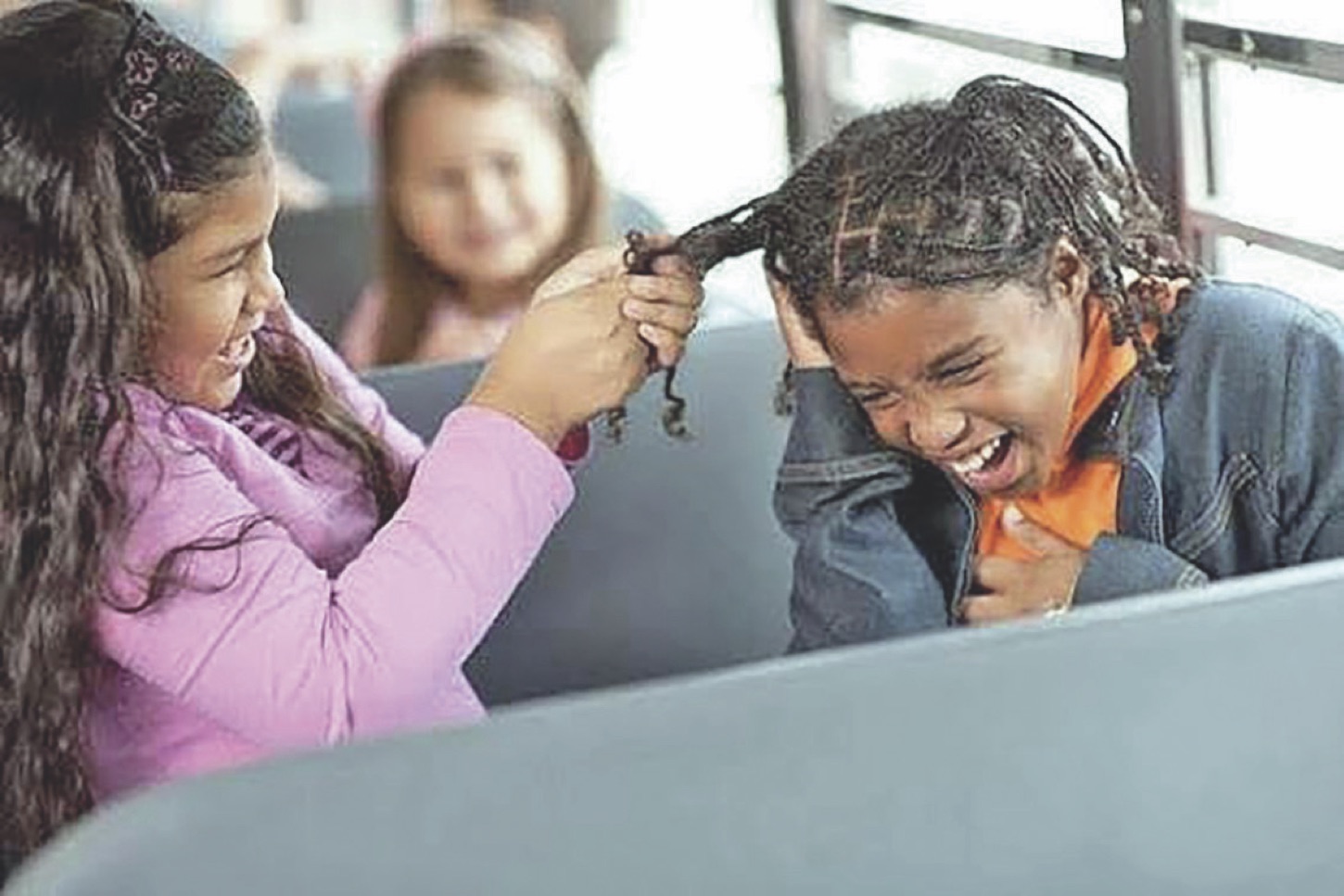
The incident at Igbinedion Education Centre has therefore once again brought to the fore the endemic culture of bullying among schoolchildren despite efforts to stamp out this delinquency from schools in the country. The nation’s official position against bullying is contained in the National Policy on Anti-Bullying in Nigerian Schools and its Implementation Guidelines 2025. The document, which describes bullying as a pervasive issue affecting learners’ physical, emotional and psychological well-being, posits that, “In Nigeria, bullying has far-reaching consequences, hindering learners’ educational growth, personal development, and occasionally leading to death.”
The United Nations Educational, Scientific and Cultural Organisation, UNESCO, regards school-related violence in all its forms as an infringement of children’s and adolescents’ rights to education and to health and well-being and a major constraint against the attainment of inclusive and equitable quality education for all if learners experience violence and bullying in school in any country.
Although bullying is widely regarded as a global menace, Sub-Saharan Africa has the highest rate of bullying incidents at 48.2 per cent. A recent study by the organisation also found that almost 32 per cent of Nigerian children between 12 and 17 have been victims of bullying at different times.
But while addressing school violence and bullying is essential in order to achieve the Sustainable Development Goals (SDGs), in particular SDG 4, which aims to ensure inclusive and equitable quality education and promote lifelong learning opportunities for all, and SDG 16, which aims to promote peaceful and inclusive societies, analysts are of the opinion that education stakeholders in the country have not done enough to stamp out the menace in most Nigerian schools.
Mrs. Oluyemisi Awodele, a guardian counsellor, said awareness level on the government’s stance about bullying in school remains shallow and called on the government to ensure the policy is further popularized in schools across the country.
According to Awodele, “It is true that the government has come up with a policy framework against bullying in schools in the country, but there is sufficient evidence to believe that schools are not doing well enough to instil the anti-bullying culture in their students. Cases of schoolchildren being beaten by their fellow students while school authorities look the other way or at most give the culprits a slap on the wrist for reasons best known to them are so common. It is even more prevalent in private schools, where school owners, out of the fear of losing their “customers” and the fear of garnering a negative image for their school, bury most cases of bullying.”
Awodele’s submission confirms the pervasiveness of bullying in most Nigerian schools. Many parents who spoke to Saturday Sun lamented their children’s and wards’ battles with bullies at schools. One such parent, Mrs. Oluchi Eze, explained that after battling with bullies at school, her child began to manifest disturbing symptoms in the aftermath of the experience.
“The trauma my child went through was heartbreaking. She became anxious and withdrawn after the experience,” she stated with an admonition that “schools must act swiftly and involve parents whenever a case of bullying is discovered. We need education with empathy and kindness from a young age. Support systems for victims are crucial.”
Another parent and father of a victim of bullying, Mr. Kofi Mensa, shared a similar pattern that he observed in his child after the child was bullied at school. According to Mensah, “Bullying is a nightmare. My son changed after being bullied. Schools should have clear policies and involve law enforcement if needed. Parents need counselling, too, to cope with the impact on their children.”
A teacher, Mr. David Egbuna, said bullying is not peculiar to the school environment alone. “Bullying isn’t just a school issue; it is a societal problem. We teach values, but sometimes, home environments contradict this. We need stricter policies and parental involvement. Indeed, bullying often occurs in school environments, but the menace happens everywhere, including at parties, community playgrounds, and even religious settings.
Mrs. Ayoka Fadaunsi, a parent who had a firsthand experience of her child being bullied, said most children end up becoming bullies because their parents fail to correct them at a tender age, a period she observed mattered the most. She opined that the Igbinedion Education Centre students who bullied their mate did not just come up with the aggression they put up against their victim, which eventually exposed them and led to their expulsion.
“Most parents condone such manifestations in their children when they are very young, but by the time their children grow older, it will have become so entrenched in them to the point we saw on display at the school in Benin.
Some years back I attended an occasion with my daughter, who was then less than three years of age. Moments later, she came crying without one of her shoes. I followed her back to where the show was. But on getting there I was shocked to realise that the shoe was forcefully removed from her leg by a boy of about four years old in the presence of his mother. More shocking was the fact that his mother seemed not to see anything wrong with what her son did. Imagine what the boy will grow up to become should his mother continue to indulge in such a manner,” she said.
Other News
Mr. Orji Kanu Emmanuel, founder of Rockford International School and executive director of the Association of Formidable Educational Development (AFED), called for collective and urgent actions against bullying in Nigerian schools. Describing the incident at Igbinedion Education Centre as a wake-up call, Orji called for the extension of the punishment meant for the two students who bullied their colleague to their parents for what he described as ‘the failure to do their homework.’
His words: “In respect of human behaviour, I saw beasts in action. I pray God to help Nigerians begin to see reasons why we need actions because this is not just a wake-up call but a need for strong legislative action. This is just one among many. I thank the boy who was courageous enough to have a video of his colleagues bullying their own classmate. What about the ones that have gone without a notice? I think the government should set out laws for students to understand that whenever they bully, the hands of the law will catch up with them.
“Let all stakeholders know that something needs to be done. Some of the parents are already ashamed because their sons never brought laurels; instead, they brought shame to them. But I still think there should be a little punishment for the boys and their parents as well. One may ask, why punish the parents? “Yes, because some parents did not do their homework; they were busy chasing shadows. They must bear the brunt to some extent,” he stated.
Mrs. Nkechi Nwoke, Proprietor of Wokens Ideal Nursery/Primary School, Port Harcourt, said the society must unite and wage a collective war against bullying and bullies in the country. “We take bullying very seriously. We have had workshops on empathy and kindness. Teachers are trained to recognise signs of bullying. We encourage students to speak up without fear of retaliation. It’s a collective effort—parents, teachers, and students must work together to create a safe environment.”
Samuel Okoro, proprietor of Daystar College, Idumota, concurred with Nwoke’s position. He called on schools to view bullying as a serious offence. “Bullying is a serious offence in our school. We have a zero-tolerance policy. Perpetrators face disciplinary actions, and victims receive counselling. We also educate parents on recognising signs of bullying. It’s about creating a culture of respect and empathy.”
Ms. Jane Aggrey, a schoolteacher, wants teachers’ ability to effectively monitor their students enhanced through manageable class sizes and training in order to prevent recurring incidents of bullying in schools. “I have seen the devastating effects of bullying. Children become withdrawn, and grades drop. We need smaller class sizes to monitor interactions better. Teachers should be trained to handle such situations sensitively. Parents should also talk to their kids about kindness and empathy,” Aggrey suggested.
Bullying has serious effects on the victims, according to mental health and behavioural experts. Bullying is linked to many negative outcomes, including increased risks of depression and anxiety, substance use, and suicide. Dr. Charles Umeh is a clinical psychologist in the Department of Psychiatry, Lagos University Teaching Hospital (LUTH).
Dr. Umeh, in a chat with Saturday Sun, explained the effects of bullying on the victims. According to him, “Bullying actually can lead to mental health, physical, academic, and relationship difficulties depending on the severity, method, and frequency. The emotional effect that comes with bullying is that most victims develop low self-esteem. They start believing some negative things said about them and start acting on it. There is also anxiety and fear. They look very nervous, feel unsafe, and feel so afraid even in the midst of others. There is a tendency of developing into depression and possible suicide because they have developed negative and low self-esteem about themselves. They do not see hope for the future; instead, they start feeling worthless and losing interest in activities like their counterparts,” Umeh stated.
Umeh revealed that in case of sexual harassment, the victim might develop post-traumatic stress disorder, which he said might not happen immediately but manifest later in life.
Bullying can equally impact the victims’ academic performance. “Again, bullied children do not do well academically or as well as they ought to have done due to poor concentration because they are under threat and fear in all situations. They cannot focus in class and cannot do what others are doing because they live in fear, and that leads to a decline in their academics.
“Again, the bullied students walk in isolation. Their day-student counterparts, one way or the other, absent themselves from classes because they avoid the bullies. They withdraw from friends and other social activities, always giving reasons why they do not perform in activities like others. They find it difficult trusting others, and once they cannot, they will not form a lasting relationship bond. When all these are going on with them, the tendency is that their body will start reacting to it.
Umeh stated further: “When loneliness sets in, it could lead to emotional distress, which has a tendency of frequent complaints of headache and stomach ache caused by the stress they are in. When the stress is sustained, the only way out is to change schools, which parents might not understand the reason for changing schools.
“They will start having nightmares and noticing changes in appetite as well. Some do engage in self-acting; in order to embolden themselves, they start using psychotic substances, which include cigarettes, alcohol, and cannabis. Because they do not want their parents to know what they are doing. They might go into zapping. On a long-term basis, people who are bullied suffer from low self-esteem and low confidence. They are more prone to mental health challenges in adulthood.”
The parents and the loved ones of victims of bullying are not immune from the damaging effects of bullying. “Trauma is not only when one is a victim. Parents can experience trauma watching another person, especially when the bullied is their child; they must be traumatized. Thank God for social media that exposed the ill in the society; otherwise, the bullied child would have borne the effects of it alone. With these, parents feel guilty and self-blame that they could not protect their child, which worsens anxiety and worry in the parents. In such situations, it leads to some parents becoming overprotective, which deprives a child of normal development. Some parents would develop anger towards the bully and the school authorities.
“While body chemistry differs, some parents would go to court to get some compensation; in other climes, it might lead to family disagreement and tension. The issue of bullying might create a serious tension within the family circle. In some serious cases, there is usually an emotional burden, which might culminate in anxiety, disorder, or depression. This is because not all are mentally alert. It could trigger mental problems for them,” he explained.
A psychologist at MindWave Clinic, Ogba, Tunde Ogunsakin corroborates Umeh’s submission. He pointed out that bullying could lead to severe psychological damage, including PTSD and suicidal thoughts, noting that “victims often feel helpless and isolated.”
Ogunsakin therefore called on school authorities to implement strict anti-bullying policies and provide counselling services. “Parents must also be involved, creating open communication channels with their children. We need to address the root causes, like social pressures and lack of emotional regulation skills,” he stated.
Also reacting to the issue, Ebenezer Demilade, a sociologist at Socio-Connect Research and Counselling Centre, Festac, observes that bullying is a symptom of a broader societal issue, a lack of empathy and respect for others. Demilade pointed out that it’s more prevalent in environments where power dynamics are skewed.
“Schools must therefore foster inclusive cultures where differences are celebrated. Victims often suffer long-term trauma, including anxiety and depression. We need to teach children conflict resolution skills and empathy from a young age,” Demilade suggested.
To effectively curb the menace, Umeh called for the involvement of students in the formulation of anti-bullying policies. “All solutions introduced must involve input from students. The authorities must use crystallized intelligence to curb bullying. There must be a conscious effort that will involve students, parents, and school authorities in creating anti-bullying policies that everyone must consent to. Everyone must be carried along and must be a party and signatory to it.
He added that “education and wellness should not be played down. Schools should capture students under mental health education. Let their mental health be a compulsory curriculum in health education. So they can understand the emotional feelings of others. Children learn vicariously. Today, people are rated by how much they have, not what character they exhibit. Because of the value system the society has put in place, most students think that going to school is just to fulfil all righteousness, because they already know where they are going. Most of these are also societal problems. But stakeholders must do the best they can.
Umeh also called on authorities to make it possible for victims and family members of victims of bullying to report cases of bullying without facing further consequences. “There must be a way of encouraging people to report directly or indirectly. Some of the schools know what they are propagating, and character building is not one of them. There must be room for counselling and support. Some teachers must be trained on how to act as moles among students to get information from them,” he said.