Follow Us on Google
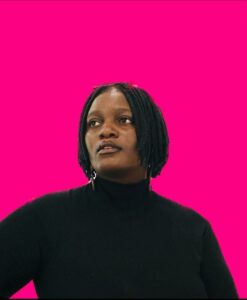
In Nigeria‘s rapid tech landscape, few voices resonate as powerfully as that of Nkeiruka Ifeonu.
A Nigerian product designer, Nkeiruka is redefining what it means to build technology that is not only functional but deeply human and inclusive.
With a career spanning healthcare and e-commerce, she has consistently demonstrated a commitment to creating solutions that address real challenges.
In this interview with Independent Nigeria, Nkeiruka shares insights into her journey, the challenges she’s faced, and her vision for a more inclusive tech future.
Nkeiruka, your journey into product design is quite interesting. Can you tell us how it all began?
Nkeiruka Ifeonu: Of course. My path wasn’t like the others you see on social media. I started my career in marketing and social media management, creating visuals and managing brands online. One casual conversation on Bumble changed everything. Someone mentioned product design, and my curiosity was piqued. I started researching, taking online courses, and exploring tools like Figma. Within weeks, I was designing, and my passion for creating solutions for user problems grew quickly.
I applied for an internship at OneHealthNG, where I got the chance to work on meaningful projects like the Onewellness app & The OneHealth Fulfillment System. That internship set the foundation for my transition into product design. Since then, I’ve had the privilege of contributing to products like Jump n Pass and many others across industries.
Speaking of projects, you’ve worked on impactful projects, especially in healthcare. Can you share more about your experience with OneHealthNG?
Nkeiruka Ifeonu: One of the most rewarding projects I worked on at OneHealthNG was the OneHealth Fulfillment System. The system I designed helped streamline the process of pharmacy order management, improving access to affordable medications for Nigerians. The platform connected pharmacies, hospitals, and healthcare management organizations (HMOs), ensuring that medical supplies were delivered more efficiently. I onboarded over 2,000 pharmacies within a month with 8,000+ pharmacies now, and the feedback from users showed just how much it improved their experience.
Working on a healthcare product like this highlighted the everyday life impact design can have ,it was incredibly gratifying to see how my solutions directly affected people’s health outcomes.
You have been selected as the Lagos City Chapter Lead for Untitled Designers? Tell us about that.
Nkeiruka Ifeonu: Thank You! Being Selected as the Lagos City Chapter Lead for Untitled Designers is such an honor. The selection process was quite rigorous with other incredibly talented designers in the running, so I don’t take this lightly.
It’s a big deal for me, not just personally but also professionally, because I see this as an opportunity to make real impact within the design community in Lagos.
I have big dreams for this role. One of my top priorities is building a thriving, inclusive community where junior and newbie designers can learn directly from experienced professionals. I plan to onboard senior designers and thought leaders who can give back through mentorship, guidance and knowledge sharing.
Beyond that, I’m really excited about creating opportunities for growth and connection through properly curated events, from workshops and design meetups to conferences, virtual sessions and even one-on-one mentoring.
For Untitled Designers Conference, 2024, I was a member of the core team in the Planning committee which contributed to 3,000+ designers in attendance.
At the end of the day, my goal is to help designers in the Untitled Designers Community in Lagos reach new heights in their careers, feel seen and supported, and empowered. I am ready to make that happen.
Your design philosophy emphasizes empathy. How does this influence your approach to product design?
Other News
Nkeiruka Ifeonu: Empathy is at the core of my design approach. It’s at the basis of everything I do. Whether I’m working on Dashboards, mobile apps, conducting research, analysis or on the field focus groups, I always start by understanding the user’s needs and frustrations. I never design in isolation; I make sure to listen to users, whether through interviews or usability tests, and I incorporate their feedback into every stage of the design process.
For instance, when designing OneWellness, a health management platform, we had to consider how users would interact with it in different contexts, from urban hospitals to rural clinics. The feedback I received during user interviews shaped how we designed features like the patient dashboard and appointment scheduling system, ensuring that they were intuitive for a wide range of users.
You’ve been a vocal advocate for women in tech especially providing support and mentorship, Can you share more about your initiatives in this area?
Nkeiruka Ifeonu: Absolutely. Tech has had a profound impact on my life, and I want to help other women, especially African women, discover how they can thrive in this field. I’m passionate about creating spaces for women to learn, grow, and lead in tech. I organize meetups and events that provide mentorship, resources, and networking opportunities for aspiring designers.
In addition to that, I’m mentoring women transitioning into tech, helping them build portfolios, refine their skills, and navigate the industry. By 2025, my goal is to help 1,000 women make that transition. I believe that the more women we have in design, the more inclusive the industry will become.
What challenges have you faced as a woman in the tech industry?
Nkeiruka Ifeonu: Being a woman in tech definitely presents some challenges. There have been instances where I was the only woman on a team, and at times, I’ve faced bias or a lack of respect. But instead of letting those experiences discourage me, I’ve used them to spark my determination to make a difference. My mission is to show other women that there’s room for us to thrive in this industry, and that we belong at the table. I also think mentorship is key, as it’s crucial for women to have role models who can show them the way.
You’ve worked on various projects across different industries. How do you adapt your design approach to different sectors?
Nkeiruka Ifeonu: Every sector has its own unique challenges, which means every design solution has to be customized. I always start with thorough user research to understand the specific pain points and context of the industry. For example, when designing Jump n Pass, a mobile self-checkout platform, we focused on simplifying complex checkout processes for users in various retail environments, from small convenience stores to larger supermarkets.
The key to adapting my approach is to be deeply curious about each sector and to always consider the specific needs of the users within that context. Whether I’m designing an AI-powered platform or a healthcare solution, understanding the user’s environment is essential.
Can you tell us about a project that was particularly challenging and how you overcame those challenges?
Nkeiruka Ifeonu: One of the most challenging projects I worked on the sister product at Jump n Pass, a grocery delivery app. The goal was to create a seamless, fast, and secure delivery experience for users, particularly in markets where smartphone penetration is low and internet connectivity can be unstable. The challenge was to design a solution that would work seamlessly across devices and networks, all while maintaining a user-friendly experience.
To solve this, we worked closely with the development team to test the app on a variety of devices and in different network conditions. We also conducted usability tests with real users to ensure that the app was intuitive and met their needs. By iterating quickly and gathering user feedback, we were able to deliver a product that worked well for the target audience.
How do you stay updated with the latest trends and tools in product design?
Nkeiruka Ifeonu: Continuous learning is crucial in design. I regularly take online courses, read books, attend webinars, and participate in design communities. I also engage with fellow designers through social media platforms like LinkedIn and Twitter, where I can stay updated on trends and discuss new tools. Keeping up with new developments and sharing knowledge with peers helps me stay informed.
What advice would you give to aspiring product designers, especially people looking to transition seamlessly to the tech industry?
Nkeiruka Ifeonu: My advice would be to take the leap, trust in your skills and the process, stay curious, and never stop learning. It’s important to start by building a strong foundation in design principles, but it’s equally important to be brave and step outside your comfort zone. Don’t be afraid to make mistakes, as they are an essential part of growth. Surround yourself with a supportive community, and don’t hesitate to seek mentorship. The tech industry needs diverse voices, and we all have something valuable to offer.
What’s next for you in your career?
Nkeiruka Ifeonu: Right now, I’m working on a cloud-based, AI-integrated hospital management system aimed at improving healthcare delivery in Africa. It’s a project that’s close to my heart because it has the potential to significantly impact healthcare in the region, centralizing patient records, improving service delivery, and aiding medical decision making. I also have been very much into sustainable design lately, designing to save the planet is the kind of impact I want to make in the world.
Additionally, I’m focusing on doing more community engagement, sharing my thoughts, and continuing to mentor people. As the design community continues to grow in Africa, I’m excited to see more inclusive, user-centered solutions come to life and I’m committed to being part of that change.