Follow Us on Google
By Juliana Taiwo-Obalonye
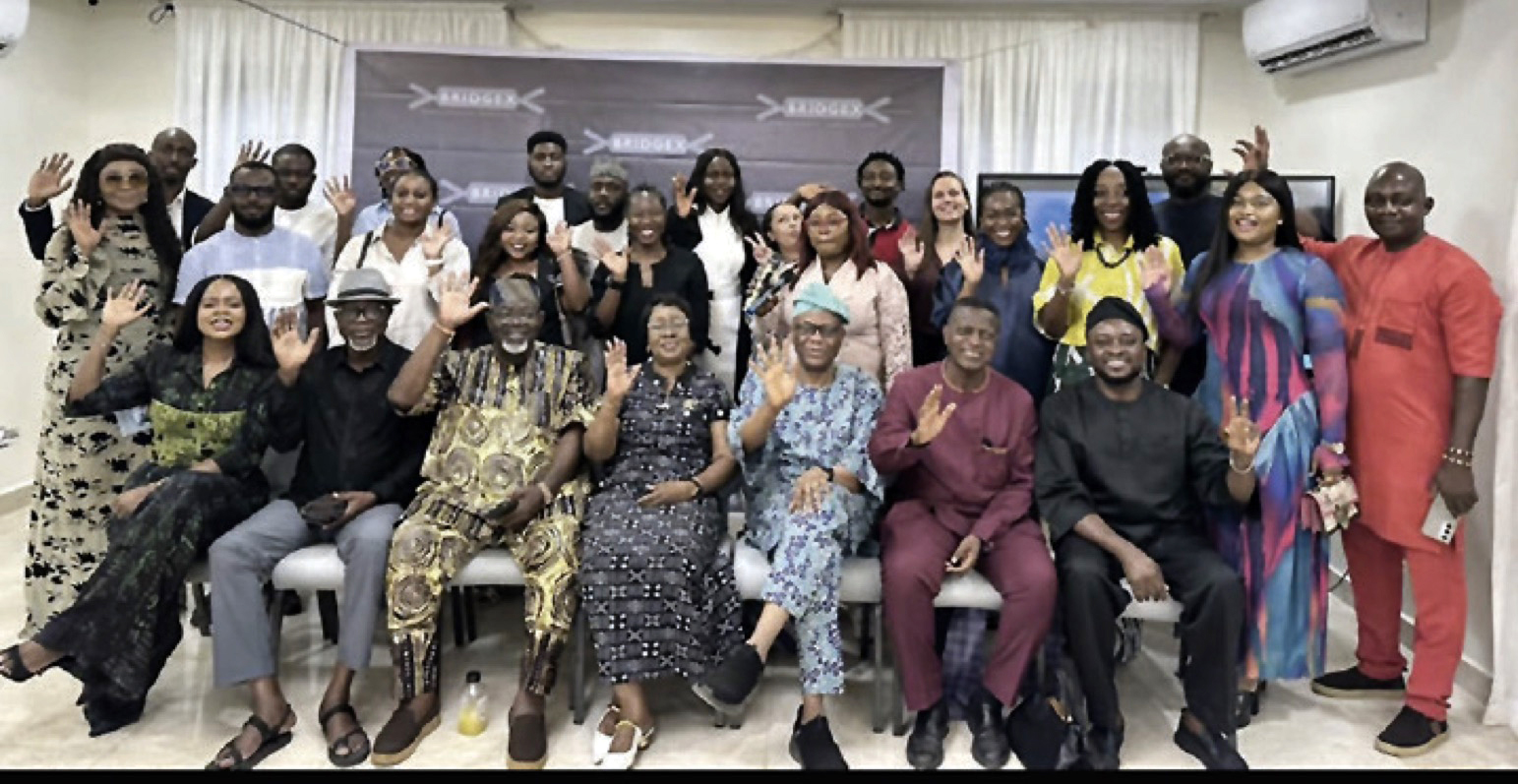
On Easter Monday, a day when most folks were kicking back with family or binge-watching Netflix, a group of everyday professionals gathered in Abuja for something special. They came to BridgeX’s first big event, called Bridge Series No. 1: Intergenerational Dialogue – Hard Truths, Real Wisdom, Enduring Relevance.
It wasn’t about fancy speeches or big egos. It was regular people – young workers, business owners, and bosses – listening to older folks share straight talk from years of ups and downs. In a world full of job worries, tech changes, and money stress, this felt like a lifeline.

Life today is tough for everyone. Prices go up, jobs shift fast with AI and new tech, and no one knows what’s next. Young people starting out wonder how to buy a house or switch careers without falling behind.
But here’s the thing: right in our communities are experienced leaders who have seen it all – from military rule days to now, from cash crunches to big comebacks. They’ve switched jobs, led teams, and bounced back from failures. Their stories aren’t locked in books; they’re out there, ready to help if we just listen.
That’s where BridgeX comes in. Founded by international development expert, Oluwaseun Okediran and Sustainability and Energy transition expert, Chinedu Igwe, it’s a structured platform for real talks between different ages, disciplines, jobs, and even faiths. No fluff, just honest chats that solve problems. The first event kicked it off with four everyday heroes from medicine, education, business, and HR. They didn’t just talk about success; they shared the messy parts – the regrets, the surprises, and the tricks that kept them going.
The stars were Dr. Wale Okediran, founder of Cornerstone Medical Centre in Ibadan, Oyo State, award-winning author of 14 novels like Tenants of the House (now a global Netflix film), former House of Representatives member, and Secretary General of the Pan African Writers Association in Ghana. Next, Professor Emmanuel Olufemi Dokun-Babalola, ophthalmologist and founder of Rachel Eye Centre in Abuja, who also led clinical sciences at Bingham University and worked with the World Health Organization. Then Dr. Angela Ajala, Executive Secretary of the Commission for Higher Education, a teacher and mentor who’s shaped schools and young minds for decades. Finally, Mrs. Felicia OmayemiArenyeka, HR expert with 30 years from the Ministry of Labour to Director at Nigeria-São Tomé Joint Development Authority, now at Sheer Luxury Apartments in Abuja, trained at Harvard Business School.
These people aren’t superstars; they’re like that uncle or aunt who’s always got good advice. The event ran about two hours and ten minutes, packed with questions on adapting to change, staying strong, leading through tough times, handling uncertainty, keeping skills fresh, early regrets, and the real side of wins and losses. Young attendees – managers, startup folks, career changers – hung on every word, asking their own questions during breaks with tea and snacks.
Ajala kicked things off with a story many could relate to. She wanted to join foreign service to travel the world. “Peer influence shapes the kind of things you want to do,” she said. But her mother had other ideas: “How will your children grow? Will you be taking them from country to country?” So she chose education to be there for her kids. “I entered education so I could grow with my children. Fortunately, I enjoy education because it is dynamic. It keeps changing.” It wasn’t her first plan, but it worked out. A vendor at the event even called her his mentor, showing how one choice ripples out.
Okediran shared how he loved books as a kid, spending hours in the school library. He dreamed of writing, but his dad said: “Writers are very poor people. I want my child to be a doctor.” So medicine it was. But writing wouldn’t stay quiet. “Life has a way of bringing you back to your first calling,” he explained. He ran a clinic, wrote columns for a newspaper and now leads writers across Africa. His first “article” at age 12? A funny note about being late to the dining hall that everyone read. That spark led to prizes and Netflix.
Babalola’s path started simple. As a student, he tried on a roommate’s glasses and saw grass blades clearly for the first time. “I realized that the glasses were helping me see better… ophthalmology as a specialty that could improve the quality of life,” he said. No eye doctor at his school, so he picked NYSC at a top hospital in Ibadan. Mentors there taught him to operate, and he built the Rachel Eye Centre to help everyday people see better.
Arenyeka aimed for law but ended up in the Ministry of Labour thanks to a wise mentor. “He said Labour was a highly professional ministry, you could build a profession as a human resource specialist,” she recalled.
She got restless in government jobs and moved around until she found her fit in diverse teams. “Life is tough – you must be tougher and adapt. Education isn’t enough. Acquire other skills,” she told her younger self.
The “hard truths” part got real. Ajala warned about speaking too bluntly: “I’ve lost solid relationships because I spoke without filters. Speak with compassion and grace; keep back what might hurt.”
Okediran pushed using all your talents: “Psychologists say we use only 30% of our brains. Develop talents; when one door closes, another opens.”
Babalola on leading: “Carry people along. If you want to go fast, go alone; if far, go together.”
Arenyeka added: “Those days of graduating and getting a job are gone. Build competencies left and right.”
Questions from the crowd dug deeper. On balancing work and family for women, Ajala said her mother’s advice made sense: “Balance is possible – not 100%, but 70% with juggling. Build support systems.”
Experience rock bottom? Arenyeka stood firm, suspending a big shot’s son for skipping work, while her bosses were ready to throw her under the bus, the young man’s father came full of gratitude: “Stand by what’s right, as per rules.”
Okediran on a rigged political primary: “Do your homework, trust God. Have good friends.” Mentors were key: “Mentorship is something you seek, compressing 10 years into one month,” Ajala said.
Shifting from employee to boss mindset? “Practical skills matter. Can you edit, write or publish?” Okediran advised.
Babalola: “Shift your mindset – reframe tasks from ‘what I’m asked to do’ to ‘what value I’m creating.’” Arenyeka noted young people run to therapy when mentors could help: “Seek wise elders.”
By the end, tea breaks turned into networking gold. People swapped contacts, promising to stay in touch. As Oluwaseun said, BridgeX isn’t just one talk; it’s building a community where old wisdom meets new energy. It connects “Experience Capital” from these leaders to young go-getters facing today’s fights.
She wrapped up: “We’re bridging the information gap. I have a lot to learn from them.”
In Nigeria’s daily grind – rising costs, job hunts, family pressures – this event showed wisdom isn’t fancy. It’s stories from real lives, passed down to light the way. Next topics like AI and taxes will keep it going. Anyone can learn, anyone can share. That’s the bridge.