Follow Us on Google
By Damiete Braide
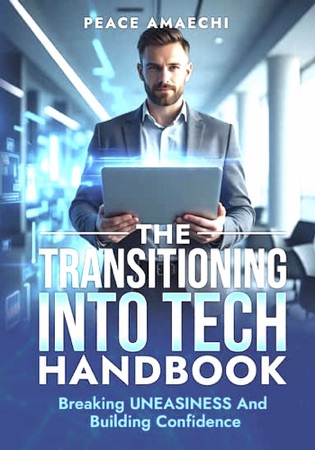
Peace Amaechi, The Transitioning Into Tech Handbook, Selar, 2025, pp. 77
The tech world keeps unraveling with new possibilities that are unbelievably easy to grapple with. No longer do people need high end skill sets to accomplish tech related goals. A stay–at-home mom, banker, barber, and a baker can transition or switch careers in the blink of an eye with sheer understanding and the determination to succeed.
The journey though now much simpler than what is expected of a math wizard or code cracker in some hoodie is not a one-size- fits-all. The major hurdle usually is where to begin this journey. Once there is clarity on the areas that are relatable personally, then digging deeper into the ecosystem is a no brainer.
This is where Peace Amaechi’s book comes to the fore. She lets us know that tech is not limited to software engineering but a whole planet of problem solving in every other sector of human life using digital tools. It encompasses data analysis, project management, product marketing, designing user experiences and so much more.
Choosing to follow any of the tech paths doesn’t require all round knowledge and it’s not done in theory rather through exposure. It begs the question: what do I love to do? Is it making numbers, managing people or timelines, designing or solving logical problems?
How to transition into tech is the cheat code for anyone interested in crossing into the tech world. Amaechi simplifies the journey using practical guides and relatable real life stories as stepping stones. The book is a roadmap for those seeking to switch careers or starting from scratch with no clarity. Void of jargons, the 10 chapters put together practical steps which are result prone.
Firstly, no path is superior but what matters is alignment with interests and strengths. In three phases: understanding the basics, building skills around chosen path and preparation is what it takes.
By learning from available platforms online or from mentors, to practicing and carrying out projects that become part of the tech CV are the starting points. Chapter 6 tells us that a great portfolio beats a perfect resume every time. A documented process of the practical skills applied to solving a particular problem is all it takes.
Once this is achieved, getting visible and building a personal brand is what’s next. Chapter 7, expounds on this, citing numerous online platforms to show off projects and portfolios, LinkedIn, twitter, Instagram, notion, Github and the likes. A weekly posting plan template can help to reach the desired audience.
A crucial part of the learning curve also is meeting and connecting with professionals in the path in order to build relationships that foster growth and accountability. Learners and solids all need to share resources and insights. The author advocates micro- mentorship and having a gifted mindset, asking questions from desired people in the industry and learning from them publicly or privately.
While all of this may be going on it is normal to experience setbacks because transitioning could be overwhelming when the effort put in doesn’t yield the desired result. Rejection from job applications, burnouts and the comparison trap are the likely culprits but only the tough keep going.
Amaechi says the roller coaster is normal, being motivated one day and questioning everything the next day is part of the journey. It requires slowing down, restrategizing and redirection of focus. His template for overcoming these challenges include journaling, keeping track of every win and reflecting on weekly growth, having a mindset shift, creating reflection prompts and having an accountability buddy to share goals with and cheer each other on.
The final chapter helps readers to turn knowledge into action. After going through the learning curve the next line of action is to act. The reader is expected to use their knowledge adequately at this point moving from a learner to a doer. The author urges readers to start with what they have and not wait till they are perfect. Aim for visibility which leads to opportunities, write a LinkedIn post about the journey so far, share learning notes on X, apply to one job every week, join webinars, tech events and meet ups.
The notable thing about this tech handbook is it is easily digestible and draws from industry experts whose stories offer insights to ensure the reader seeking knowledge is adequately equipped. There are guides to asking the right questions which helps anyone trying to break into the tech world. It answers the questions of what, why and how, offering templates and tools to aid readers identify their purpose, setting goals that align towards it and smashing those goals. It offers clarity, confidence and support.