Follow Us on Google
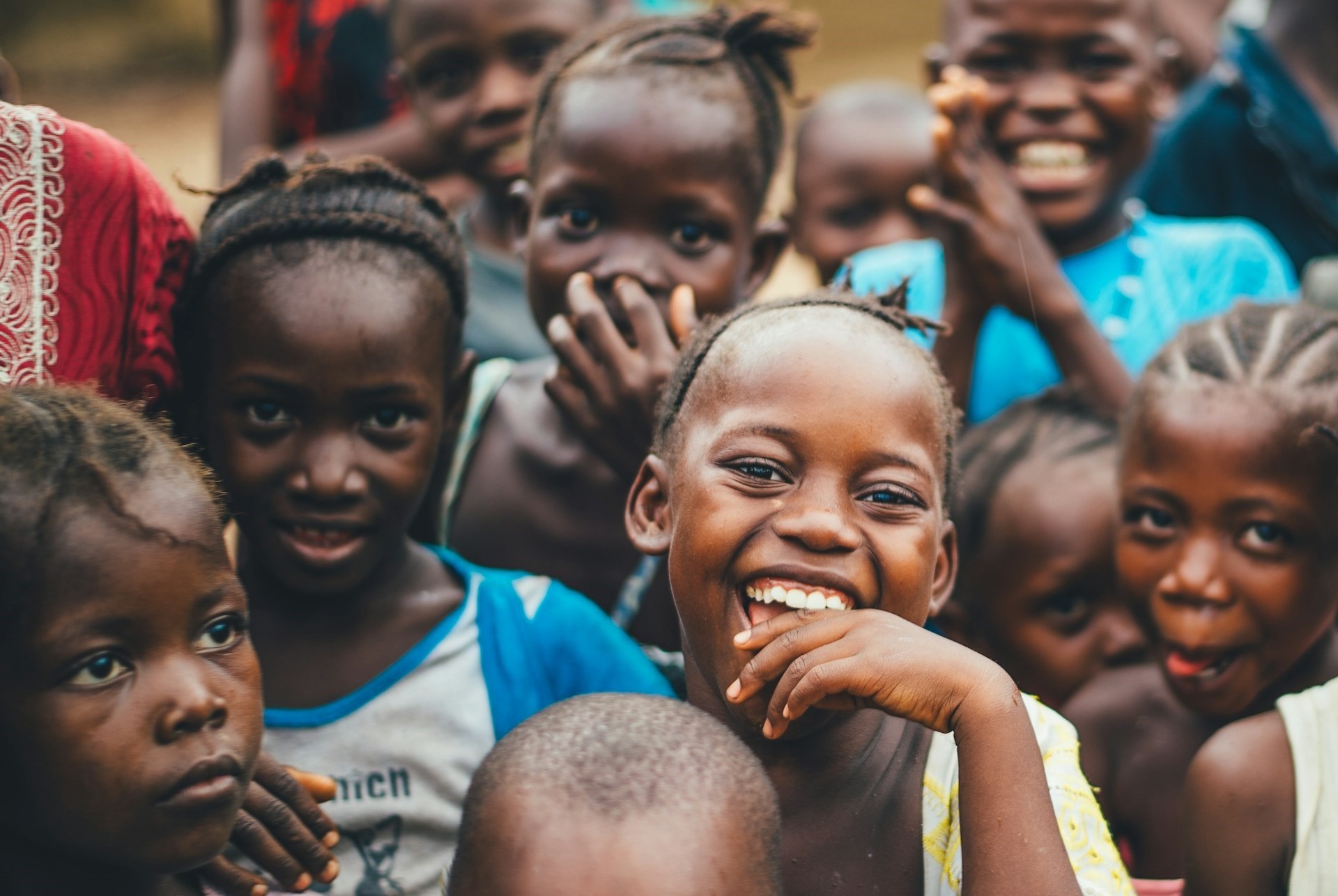
In commemoration of this year’s International Day of the Girl Child, women leaders and other stakeholders have called for action to break the gender-based barriers that impede the growth and empowerment of women and girls across the sectors. The theme of the 2025 International Day of the Girl Child is ‘The girl I am, the change I lead: Girls on the frontline of crisis.’ In line with the theme, the United Nations (UN) Secretary-General Antonio Guterres says that ‘every girl, everywhere, deserves equality, opportunity, and dignity.’
In the same vein, the First Lady, Senator Oluremi Tinubu, and some female Chief Executive Officers have called for urgent and sustained action to eliminate gender barriers that hinder the progress of women and girls. ‘To every brave girl, striving to reach the classroom, walking miles for water, or carrying the quiet strength of displacement, you are seen, you are heard and valued. Your courage lights the way to a brighter future. Let us come together to support our girls to reach their maximum potential,’ the First Lady stated. The women business leaders harped on the need to remove financial barriers for women, especially female-owned businesses.
Available figures from the United Nations show that not less than 113million girls are out of school today globally. Adolescent girls aged 15-19 are more likely to not be in education, employment or training than their male peers. Almost 4 in 10 adolescent girls and young women do not finish upper secondary school. Nearly 1 in 4 ever-married or partnered adolescent girls aged 15-19 have experienced intimate partner violence in their lifetimes.
Unfortunately, more than one-third of adolescent girls and boys aged 15-19 consider a husband to be justified in hitting his wife under certain circumstances. Also, the percentage of underweight adolescent girls aged 10-19 has only declined slightly in the last three decades, from 10 per cent to 8 per cent. Regrettably, with only five years remaining of the 2030 Sustainable Development Agenda, no country with data has met even half of 16 Sustainable Development Goals (SDGs) targets crucial to adolescent girls’ well-being.
The United Nations Children’s Fund (UNICEF) says that over 14 million Nigerian children suffer from malnutrition and an estimated 3.3 million are internally displaced due to conflict and environmental factors. It has been reported that girls displaced by violence or living in precarious conditions experience disruptions in education and are subjected to gender-based violence, early marriage and limited access to healthcare services. Globally, UNICEF estimates that 122 million girls are out of school, including 34 million of primary school age, and 87 million of secondary school age.
Sadly, Nigeria has one of the highest numbers of out-of-school children in the world. It is estimated that approximately 10.5 million (aged 5-14) to 20 million children are out of school. It has also been established that girls make up 60 per cent of this number, especially in northern regions. The menace is fueled by poverty, gender inequality, geographic disparities, insecurity and lack of digital infrastructure.
Across the world, over 230 million girls and women have undergone female genital mutilation (FGM), with 4 million girls undergoing the practice each year. And almost 1in 5 young women (aged 20-24) were married or in a union before age 18. It has been projected that the number of child brides will rise in sub-Saharan Africa.
The federal and state governments must begin to break gender barriers that impede the growth and progress of the girl child across all sectors, especially in education, health and business. The government and other stakeholders must show commitment to friendly girl child policies. They must promote environments in which women and girls can thrive and reach their full potential. We call on the national and state assemblies to make laws that will promote the inclusion of women in our decision-making processes. They must allocate some seats to them. Women should be factored in our nation-building agenda. They should be seen, heard and valued. Countries that champion the rights and development of women and girls are among the most developed in the world. We should emulate them.
It should be compulsory for all girls to attend basic education. The government must be intentional in reducing the number of our out-of-school children. In fact, the federal and state governments should make basic education free and compulsory for boys and girls across the country. The laws against harmful cultural practices against the girl child, especially FGM and child marriage, must be fully enforced. All girls and women should have access to quality healthcare services. In businesses, women and girls should be given access to loans and opportunities to grow.