Follow Us on Google
By Rita Okoye
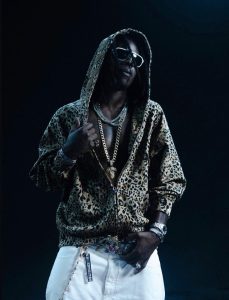
In an industry where visuals move product as much as sound, Rema’s wardrobe choices are rarely accidental. For the “Kelebu” music video, the artist appears in a custom Blvck Kulture jacket that does exactly what a music video look is meant to do. It grabs attention, holds the frame, and turns styling into a brand moment.
Other News
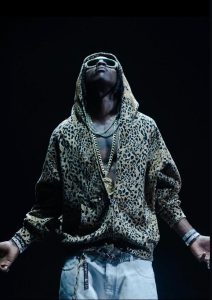
The piece is a leopard print hooded jacket cut with a relaxed, oversized attitude, built for movement and camera angles. The hood is dramatic and deep, framing the face like a spotlight. A heavy front zip and bold print do the talking, while the styling keeps it clean: layered chains, statement sunglasses, and white trousers that give the jacket maximum contrast. It is not subtle, and it is not supposed to be.
This is the point many people miss about fashion in music videos. It is not just “what he wore.” It is distribution. A strong video placement can outperform a runway appearance because it travels faster, reaches wider audiences, and lands directly on fans who actually buy into the lifestyle. The old rules still apply, just on new platforms. The right artist plus the right piece equals instant cultural placement.
For Blvck Kulture, this is commercial-grade visibility. A custom jacket on an artist of Rema’s profile signals trust in the brand’s production standard and design authority. You do not put a weak garment under video lighting. The camera is unforgiving, and so is the audience. A custom build like this communicates capability: concept, fit, finishing, and a silhouette that reads from a distance.
The wider takeaway is simple. African streetwear is not waiting for permission anymore. It is showing up where global attention already lives, inside music, image culture, and youth market identity. Blvck Kulture’s “Kelebu” moment is a reminder that in 2026, the music video is still one of the strongest fashion runways available, and the brands that understand that will keep winning.