Follow Us on Google
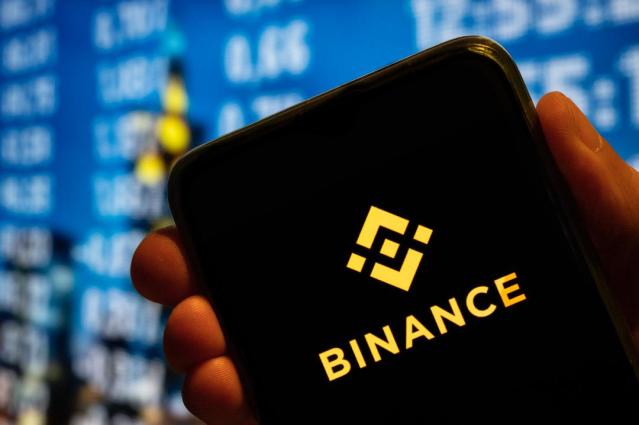
Nigeria is pressing Binance, a cryptocurrency exchange, for information on its top 100 users in the country, as well as all transaction history for the past six months.
The request arose amid the ongoing detention of two senior executives of Binance for about three weeks.
According to a report by Financial Times, the inquiry forms a pivotal aspect of negotiations between the Nigerian government and Binance, as the authorities perceive the exchange as a significant factor undermining their efforts to maintain stability in the national currency, the naira.
Of particular importance is the timeframe of the past six months, aligning with Nigeria’s recent currency devaluation.
The report stated that the office of Nigeria’s national security adviser is also asking Binance to resolve any outstanding tax liabilities.
Nigeria has focused its attention on Binance and other cryptocurrency websites as it seeks to head off its worst economic crisis in three decades and restore its citizens’ faith in its battered currency.
President Bola Tinubu’s government has introduced sweeping market-friendly reforms to attract overseas investment.
It also devalued its currency, which has driven inflation to an almost three-decade high of 29.9%. Cryptocurrency sites have emerged as an alternative to establish an unofficial price for the Nigerian currency and Binance is the biggest marketplace.
Last month authorities blocked web access to cryptocurrency exchanges and then detained two Binance executives who had flown to Abuja to discuss the crackdown. In response, Binance has removed the naira for trading from its website.
The two play a significant role in Binance’s Africa operations. Nadeem Anjarwalla, a UK citizen, is a regional manager for Africa at Binance. Tigran Gambaryan, a former US Internal Revenue Service special agent, is head of Binance’s financial crime compliance.
The two are being held at a guest house in Abuja adjacent to the national security adviser’s office, and both executives’ phones and passports were seized upon their detention, said people familiar with the matter.
“While it is inappropriate for us to comment on the substance of the claims at this time, we can say that we are working collaboratively with Nigerian authorities to bring Nadeem and Tigran back home to their families,” Binance said in a statement.
According to a court order seen by the FT, Nigeria’s anti-corruption agency — the Economic and Financial Crimes Commission — was permitted to detain both Binance executives for 14 days, a period that ended on Tuesday.
A person familiar with the matter told the FT a hearing on an extension to the court order has been postponed from Tuesday until Wednesday.
“After two weeks we are no closer to understanding why they are being held and how much longer this nightmare will last,” said Elahe Anjarwalla, Nadeem Anjarwalla’s wife.
But their legal status has become wrapped up with government attempts to shore up the naira and stamp out what authorities perceive as widespread currency speculation through crypto exchanges.
Olayemi Cardoso, Nigeria’s central bank governor, said last month that $26 billion had passed through Binance within the past year through sources we “cannot adequately identify.” He did not name the two executives.
When Nigeria removed its years-long currency peg last June, the central bank said the market would determine the value of the naira against the dollar.
However, Bayo Onanuga, a special adviser to Tinubu, said last month that Binance had a “deleterious effect” on the Nigerian economy and accused the company of hijacking the central bank’s role as the exchange rate arbiter.
Onanuga said the two men were “cooperating” with Nigerian authorities and providing a “lot of information” and suggested that Nigeria may seek to impose a $10 billion fine as “retribution” because they “really messed up” our economy. Sources say this is not a final fee and should be seen as the starting point in a negotiation.
“Let’s allow law enforcement agencies space and time to undertake their work. Outcomes will be made public in due course,” the office of the National Security Adviser told the FT.
Elahe Anjarwalla told the FT she had been left frustrated by a perceived lack of action from the British government. “The Foreign Office is the first point of help to reach out to and it’s been much less proactive than I expected,” she said
She said she was told that the Foreign Office was drafting an information request to Nigeria after his detention. She was advised on Monday it had not yet been sent.
“We are supporting a British man detained in Nigeria and are in contact with the local authorities,” the Foreign Office said.
The US Embassy in Abuja told the FT it was aware of “reports of detention of a US citizen” and that the State Department always works to “provide all appropriate assistance” but said it could not comment further.
To many observers, blaming Binance was in essence an admission on the part of the Nigerian government that it was not completely sold on the market having free rein.
“I’m sure there was a lot of currency speculation going on on Binance,” said one tech entrepreneur familiar with the matter. “But that’s like blaming the messenger. All Binance did was facilitate peer-to-peer transactions without determining the price people were willing to pay.