Follow Us on Google
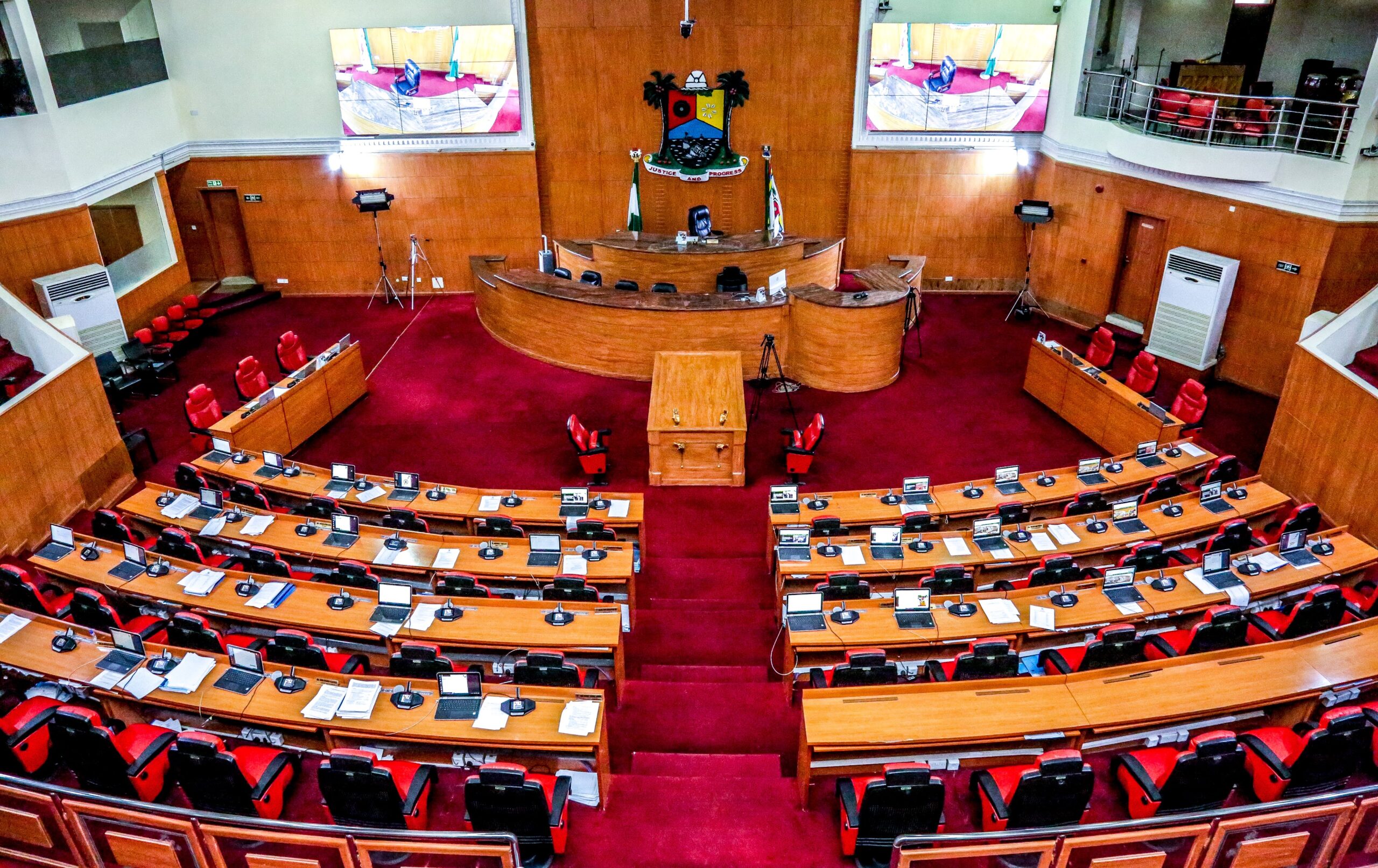
A bill to prohibit street begging in Lagos has passed the second reading on the floor of the Lagos State House of Assembly.
Lawmakers, during plenary, read for the second time a bill which seeks to restore order, enhance public safety and foster a cleaner environment in Lagos.
The law became imperative following the increasing prevalence of street begging, which has persisted for years and now poses a threat to public safety, environmental sanitation and the image of the state.
Contributing to the debate, Desmond Elliot emphasised the need for a compassionate approach, particularly towards children found on the streets. He urged the government to remove vulnerable children from the streets while providing them with adequate care and rehabilitation, and also ensuring that relevant state agencies effectively fulfil their responsibilities.
Aro Moshood called for a careful examination of the provisions of the bill, even as he offered solutions to prevent possible misinterpretation or abuse by law enforcement agencies during its implementation.
Bonu Solomon noted that a significant proportion of street beggars in Lagos are not natives of the state. He recommended that the law should not only penalise individuals who encourage begging through indiscriminate giving but should also provide for the apprehension of adult beggars engaged in the practice.
Other News
Noheem Adams described the bill as a timely intervention that would help address the issue of street begging. He advocated for the relocation of beggars from the streets to rehabilitation centres where they could receive correctional, vocational and social support. He cited states such as Kano, Kaduna, Niger, Anambra, Abia and the Federal Capital Territory as examples of governments that have implemented similar measures.
The Speaker of the Lagos State House of Assembly, Mudashiru Obasa, stressed that giving to the needy is a noble act but lamented that the rate of street begging had become a source of insecurity and public concern.
He suggested that the state government should establish structured channels through which charitable donations could be made to the needy while ensuring that beggars are rehabilitated and reintegrated into society.
He further advised that the proposed legislation should be harmonised with existing laws to ensure effective implementation.
He subsequently committed the bill to the Committee on Youth, Sports and Social Development to report its findings within two weeks.
Thereafter, the House adjourned sine die.