Follow Us on Google
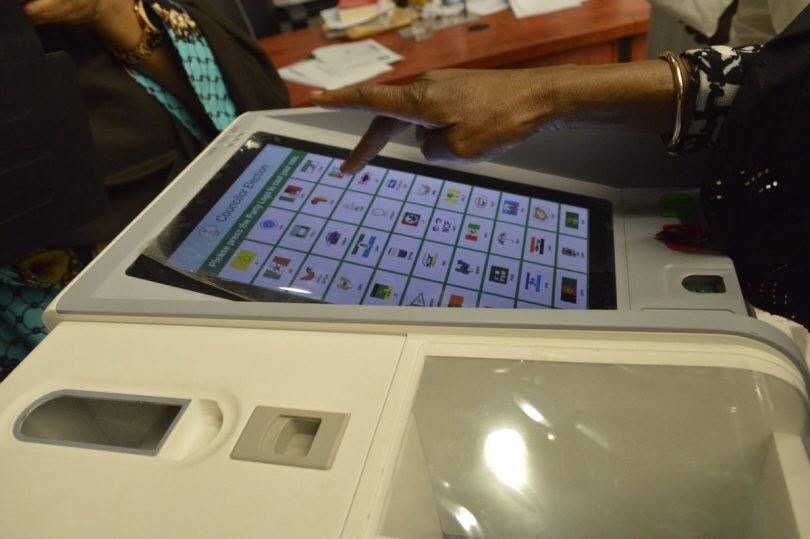
A digital technology expert, Timothy Ajekigbe, has called for the adoption of electronic voting in Nigeria, saying the country has the technological capacity to conduct credible elections if the necessary political will exists.
Ajekigbe, the Chief Executive Officer of Uplinx Digital Innovations Limited, made the call while speaking in an exclusive interview with the Sun correspondent in Ilorin yesterday.
He said electronic voting was no longer beyond Nigeria’s technological capabilities, stressing that what is needed is the commitment of political leaders to ensure that citizens’ votes genuinely count.
“I believe that electronic voting is doable in Nigeria. With the level of technology we have in Nigeria now, I believe it’s doable. It only needs a political will to ensure there is freedom for the nation and that the voice of the people is actually respected,” he said.
He argued that resistance to electronic voting could be linked to some politicians, who fear that a transparent electoral system might threaten their political positions.
“In my own opinion, I think the politicians are afraid that if we are to go by free and fair elections, many of them will not be voted. They are afraid that they are going to lose their seats and then they want to create an environment where elections can be rigged and manipulated,” he said.
According to him, the situation would change if political actors are genuinely prepared to accept the outcome of elections conducted through the votes of the people.
“If all of us are ready to abide by the votes cast by the people, I believe that we will embrace electronic voting,” he added.
The technology expert also said electronic voting could help address voter apathy and security concerns, which discourage many Nigerians from participating in elections.
He noted that some citizens deliberately stay away from polling centres because of the fear of violence, saying a credible electronic voting system could provide safer and more convenient ways for eligible voters to participate.
Other News
He further said electronic voting could strengthen the integrity of the electoral process by improving confidence in the counting and transmission of votes.
“People will know that it’s a vote that is counted, not what they gave us. So, I believe that it’s going to work well for us,” he said.
He added that allowing eligible Nigerians to vote electronically from different locations could encourage greater participation for Nigerians, including those living outside the country.
Addressing concerns about the feasibility of electronic voting in rural communities, where internet connectivity may be limited, he said the challenge could be overcome through available technologies.
“It could be a challenge, but it’s not a challenge that cannot be solved. It can be solved,” he said.
He explained that satellite connectivity and offline-enabled voting technologies could be deployed in areas with poor network coverage, saying election data would be uploaded once devices reach locations with reliable connectivity.
“There are also technologies where this can be done offline. When they get to where there is a network, it is uploaded. So, we can really explore different means,” he said.
He also dismissed concerns about the ability of people with limited literacy to use electronic voting platforms, noting that technology could be designed in simple and accessible formats.
“There are people that are illiterate. I believe all of them still make calls. So, yes, we can just say, press this number. We can explore different kinds of things and get it done,” he said.
He maintained that with proper planning, investment and political commitment, electronic voting could be deployed across Nigeria and contribute significantly to more credible, peaceful and participatory elections.