Follow Us on Google
From Scholastica Hir, Makurdi
The Benue State government has charged humanitarian organisations and partners working in the state to mine data from the existing state social register to avoid duplication of efforts.
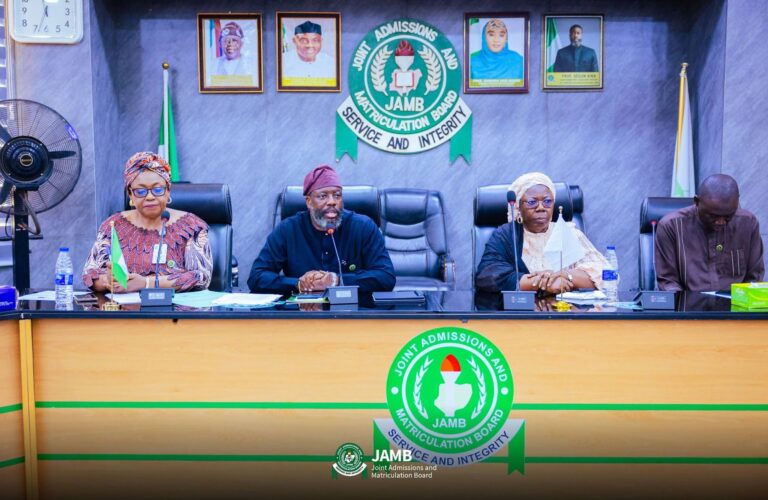
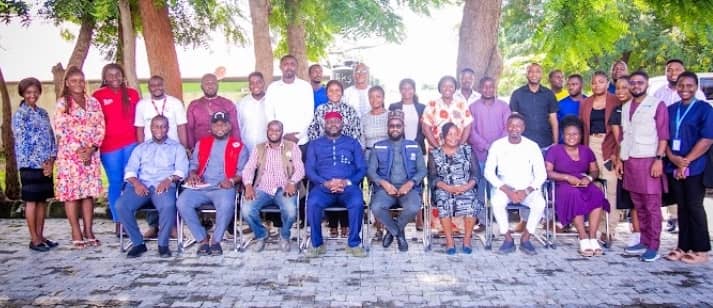
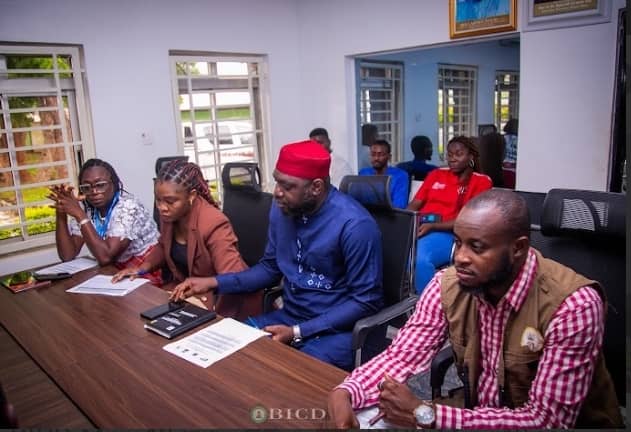
The Director General Bureau for International Cooperation and Development (BICD), Dr Leo-Angelo Viashima, gave this charge in his office during a Benue State multisectoral checking meeting with partners and Ministry, Departments and Agencies (MDAs) in the humanitarian development and Peace Nexus.
Viashima said the Social Register is an initiative of the federal government adopted by the state government from the last administration.
According to him, the social register is the only instrument of government that captures the vulnerable people in the Benue Society for intervention and “it’s important for us because it is the only tool of government used for planning purposes.”
He emphasised that no matter the intervention partners are doing in the state, not using the social register would make it difficult for the Benue State Budget and Economic Planning Commission to identify the number of interventions that has happened in the state.
“It is also important for the state budget and economic planning commission to know the amount of money that was used in that period. Again it would be difficult for them to track plans for next year.”
The DG who noted that the social register is mined centrally, expressed confidence that so if the partners mine their data from one site, they would avoid duplication of efforts in terms of interventions.
“Otherwise what partners are doing is come in, generate their data and support the same people that have been supported before and because we are not tracking them through the social register, a particular IDP camp may be getting same support more than once while excluding some other IDP camps.
“So the use of social register is critical. It is a tool of government for identifying vulnerable people for support. It has to be used for sustainability sake,” he said expressing concerns that if they do not rely on the social register but rely on their solo data, tomorrow when partners are no longer in existence, the state may not be able to reconcile her data.
Our correspondent reports that the checking meeting was organised to know what partners have done and are doing in the state, their challenges, issues that are outstanding and how the state government can step in to help such situations to enable the partners prepare for next year 2026.
Other meeting objectives include to strengthen coordination and accountability among partners and MDAs by aligning all humanitarian and development efforts with state priorities ensuring transparency, avoiding duplications and enhancing joint planning for greater impact in Benue State.
The meeting was supported by Christian Aid, Ohonyeta Care Givers (OCAG) and the Benue State Government through BICD.
Our correspondent reports that the meeting had in attendance representatives of partners from the state planning commission, Women Affairs, Humanitarian Affairs ministries, National Commissioner for Refugees, Migrants and Internally Displaced Persons (NCFRMI), SDGs, CSO, UNHCR, UNDP, UNICEF, WHO, CARITAS, Nigerian Red Cross Society, Lawyers Alert, RACE, Christian Aid, Tearfund, First Step, FJDP, and Terre des Hommes (TDH) among others who took turns to outline their intervention activities in the state.
Mrs Beatrice Shonke of UNHCR, among other speakers all appreciated the state government for providing their organisations an enabling environment to operate and render help to the vulnerable populations in the state.