Follow Us on Google
From Scholastica Hir, Makurdi
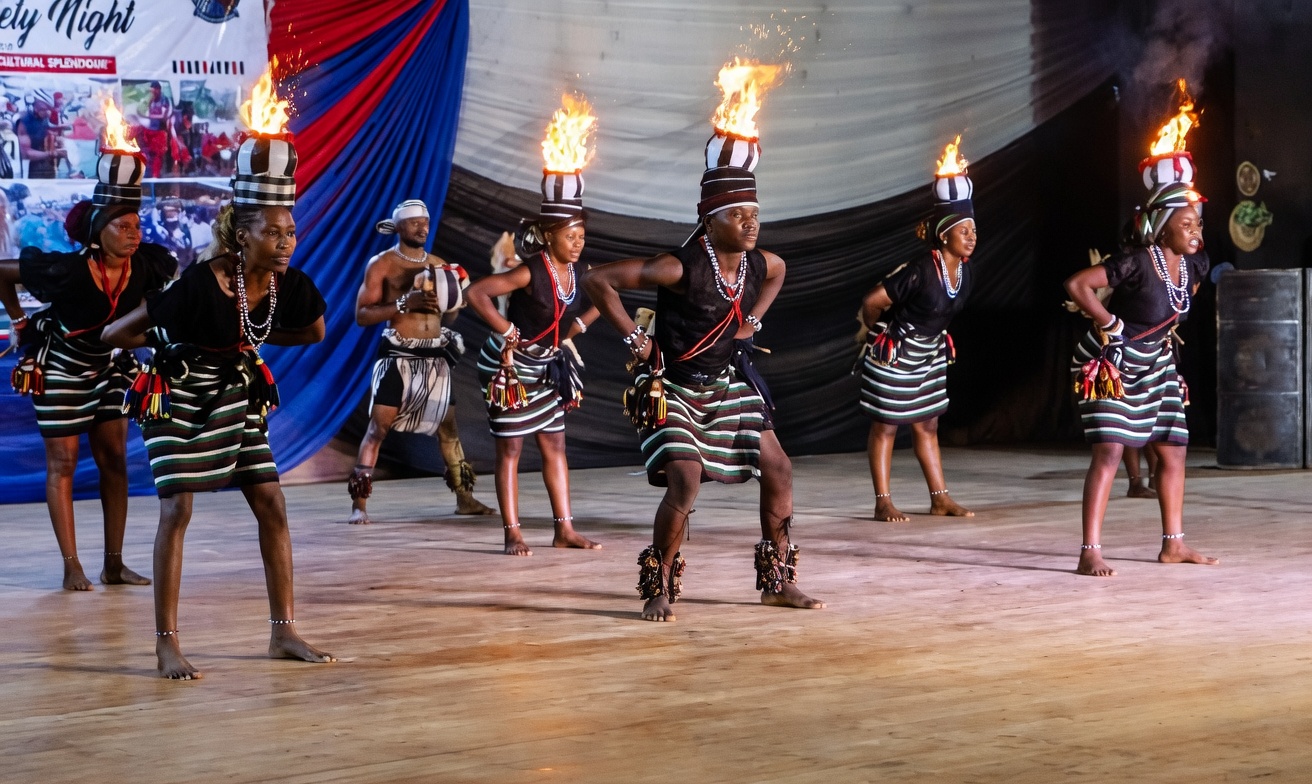
In times past, Benue State used to be a home of beautiful culture. From Tivland to Idomaland; from Igede to Etulo, the signature was the same. Any visitor to any part of the state would surely be awed by the rhythmic stomp of traditional Swange and Ogirinya dances or the elegance of Kwagh-hir masquerades.
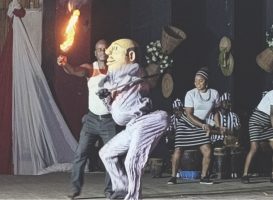
What about the moonlight folklores or the fine-crafted works of arts? What about the nourishing variety of foods: Pocho, “Kegh-sha-Shwa”, “Genger,” “Okoho” among others?
However, some of these beautiful cultures are giving way to modern ways of doing things. According to Terna Andura, Special Assistant to the Governor on Community Relations and Engagements: “Our children can hardly sing any of those native songs anymore. Growing up as a homeboy in Gboko LG, we played masquerades and danced to tunes that told stories of our culture, food and the exploits of our forefathers.”
Residents who spoke to Daily Sun reinforced the argument that there were many colourful aspects of past life that are no more in today’s reality.
However, all hope is not lost as the Benue State Bureau for Arts, Culture and Tourism is determined to revive the people’s culture. Its director-general, Dr. Shadrach Ukuma, said: “The bureau has set up a mechanism in this direction through the instrumentality of a platform called Vibrant Benue.
“The bureau has initiated monthly ‘Cultural Variety Night Show.’ The show is not just a show, but part of a broader strategy to restore pride in Benue’s diverse ethnic compositions. Vibrant Benue is about our dances, Kwagh-hir masquerade performances, folk tales, fashion, arts and crafts.”
“The vision has an economic dimension as the cultural show is planned in such a way that it will translate into job creation, enhanced livelihoods and increased revenue for the state. When there is vibrancy, there is celebration and engagement. Through these creative endeavours, people will earn a living and the state will also reap economic benefits.”
Ukuma recounted a moment from the first outing of the cultural night, where a well- bred Tiv boy was seeing the Kwagh-hir for the first time: “Kwagh-hir is now part of global intangible cultural heritage by virtue of UNESCO inscription. So, we want to create an opportunity for people to continue to engage these cultural shows so that sustainability can be guaranteed. If we stop engaging and reviving these cultural practices, they will be lost.
“Globalisation, changing belief system and the disruptive role of social media have pushed indigenous practices and cultures to the margins, especially among young people.
“Most of our creative offerings are already gone due to colonialism and bans from certain forms of worship. With a lot of things coming from the social media, if we don’t deliberately create opportunities for young people to learn our culture, we may lose it completely.
“Discussions are ongoing with the Association of Local Governments of Nigeria (ALGON), to carry out a comprehensive cultural mapping exercise in all the LGs.
The plan is to document, curate and showcase the cultural assets and tourism offerings in each council. A key component of the proposal is to host cultural troupes from two LGs every month at the state capital to perform.
“The arithmetic is simple, 23 LGs, two per month. By November, we would have covered 22, and Makurdi will take December month, having visitors and all kinds of cultural troupes in the state capital during the yuletide season. Sponsorship for the programme will largely come from the local governments.
“The initiative is also designed to stimulate grassroots tourism, drawing people from urban centres back to the original locations of these cultural expressions. When people see these performances here, they will be curious to visit where they originate from.
“Plans are on for the establishment of both a physical and virtual museum. The virtual museum, already about 80 per cent developed, will warehouse Benue’s arts and crafts online, providing access for people in the diaspora who want their children educated about Benue’s creative heritage. The platform will also host master classes in dance, language, arts and craft-making through paid subscriptions.
“Governor Hyacinth Alia has committed himself to completing the Benue Centre for Arts and Culture as originally conceived by the state’s first civilian governor, Aper Aku. The complex, which includes galleries, workshops, accommodation of about 40 rooms, restaurants, a village museum and indoor and outdoor theatres, is set for phased completion, beginning with the renovation of the theatres in 2026.
“The Vibrant Benue agenda also extends to festivals. The state was invited to the Argungu Fishing Festival in February, where officials benchmarked best practices ahead of the resuscitation and rejigging of the Akata Fishing Festival, tentatively fixed for April.
“The new model will calibrate and integrate investors and long-term economic dimensions. From the time the renovation project takes off to its completion, a chunk of unemployed youths will be taken off the streets through this process.”