Follow Us on Google
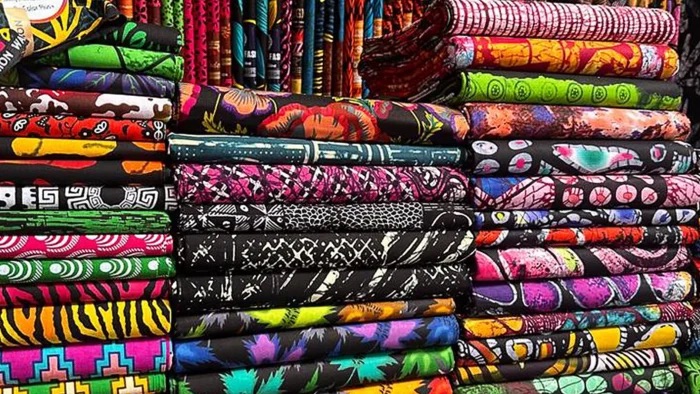
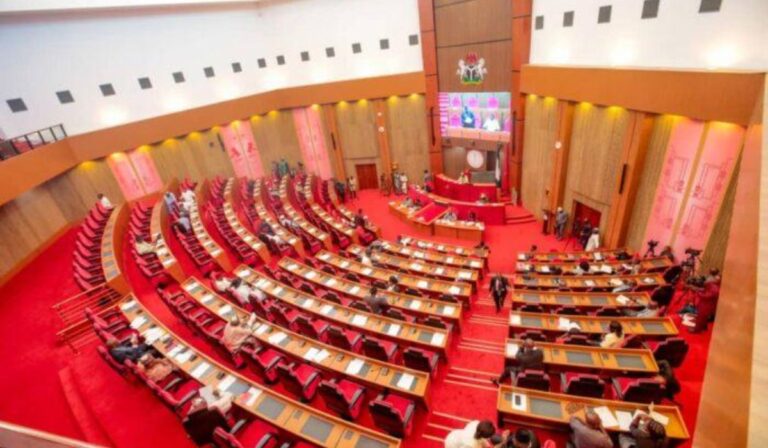
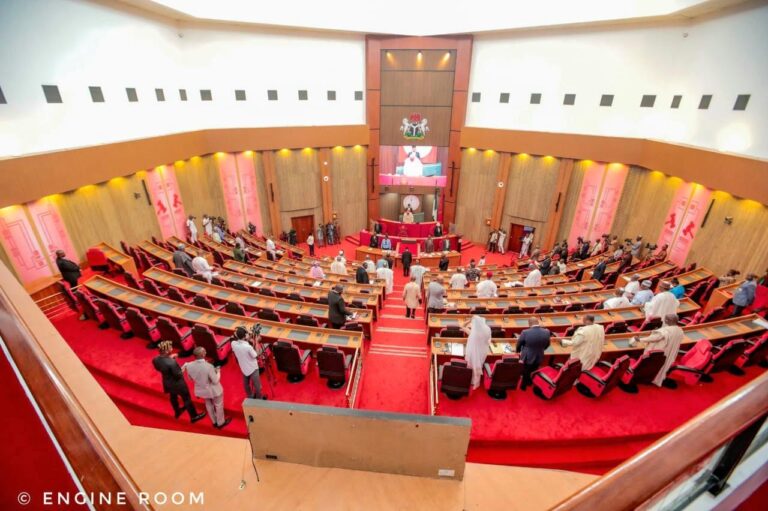
The Senate has called on the federal government to ban the importation of textile materials and map out plans to resuscitate the local textile industry and create more jobs. The call is coming on the heels of recent revelation that over $6 billion is spent annually on imported fabrics. The Red Chamber also urged the Ministries of Agriculture and Trade and Investment to resuscitate textile manufacturing across the country, especially along the Kaduna-Kano industrial axis in view of the sector’s potential to create jobs and address youth unemployment and insecurity.
The motion was sponsored by Senator Sunday Katung (APC, Kaduna South) and co-sponsored by several lawmakers across party and regional lines. Lawmakers in support of the motion stressed the need to restore competition in the sector, reduce dependence on imports, boost local production, and generate employment opportunities for Nigerians. The senator said the government’s restrictions on textile imports in the 1960s and 70s encouraged investment in local production and helped the industry to flourish.
The Senate, in its resolution, called for more funding to the Bank of Industry (BOI) to support the revival of textile companies. It also urged the Federal Ministry of Agriculture to intensify efforts to encourage cotton farming, which is critical to the survival of the textile sector. The Senate is optimistic that revitalising the textile industry and its value chain would align with broader efforts to strengthen Nigeria’s industrial base and economic growth.
The collapse of the textile industry in the country is unacceptable. The reliance on imported textiles has not been so as the country was a major manufacturer of textile. Nigeria had over 170 textile mills in the 1970s and 1980s, which employed more than 700,000 workers directly. The first large-scale textile manufacturing mill was established in Kaduna in 1957. It later spread to other regions and contributed to industrial growth and employment generation. The sector was the second largest employer of labour in the country then. Gradually, things started declining until it got the point of near zero as we have it today.
This unprecedented decline has been linked to unreliable power supply, rampant smuggling of cheap foreign fabrics, and the collapse of domestic cotton farming. At the peak of the textile industry, Nigeria produced over 300,000 tons of cotton, as against 15,000 tons being produced at present. Many farmers have also abandoned cotton fields due to insecurity and poor yields.
Other News
It is disturbing that Nigeria relies on imports for up to 99 per cent of its textile. We support the call on the government to ban imported textile materials and revamp the local textile industry. It is sad that our capacity to produce fabrics has been dwarfed by total reliance on imported textiles. The sector, which was a major employer of labour and contributor to Nigeria’s GDP, is struggling to be in business. From over 170 operational textile companies, the figure has fallen to roughly 24.
Before banning the importation of textile materials, the federal government should come up with new measures to revamp the sector. The infrastructure and power challenges in the sector must be urgently addressed. Government should also attract foreign investors to the sector. While we urge the government to encourage the existing textile industries with some incentives for them to thrive, efforts should be made to attract new ones. Let the government boost the capacity of the local fabric manufacturers located in some parts of the country to begin large-scale production. Instructively, Adamawa and Gombe states have emerged as new focal points for raw cotton agribusiness. This must be sustained and supported with adequate funding.
We also commend the federal government’s effort to revamp the sector through the Cotton, Textile and Garment Development Board. However, government must evolve some policies to combat smuggling as well as stop making Nigeria a dumping ground for foreign textiles, especially fabrics imported from China and other Asian countries. Above all, there is urgent need to encourage the local production of dye, chemicals, starch and synthetic fibres, which are often imported from other countries.
Countries with vibrant domestic textile industries, like China and India, have benefitted from having the integrated supply chain available domestically. Textile factory owners in Nigeria have complained about the high cost of importing raw materials and spare parts due to the depreciation of the naira. Producing these things domestically is the way to go.
If the local textile industry should be revamped, the Standard Organisation of Nigeria (SON) must be diligent in checking the influx of foreign textiles into the country. With the unbridled importation of foreign textiles which are cheaper than those made in Nigeria, it will be very difficult to revamp the local textile industry.