Follow Us on Google
From Adesuwa Tsan, Abuja
The Deputy President of the Senate, Barau I. Jibrin, has assured that concerns raised by Nigerians over the proposed establishment of state police will be addressed, as the National Assembly intensifies work on the review of the 1999 Constitution of Nigeria.
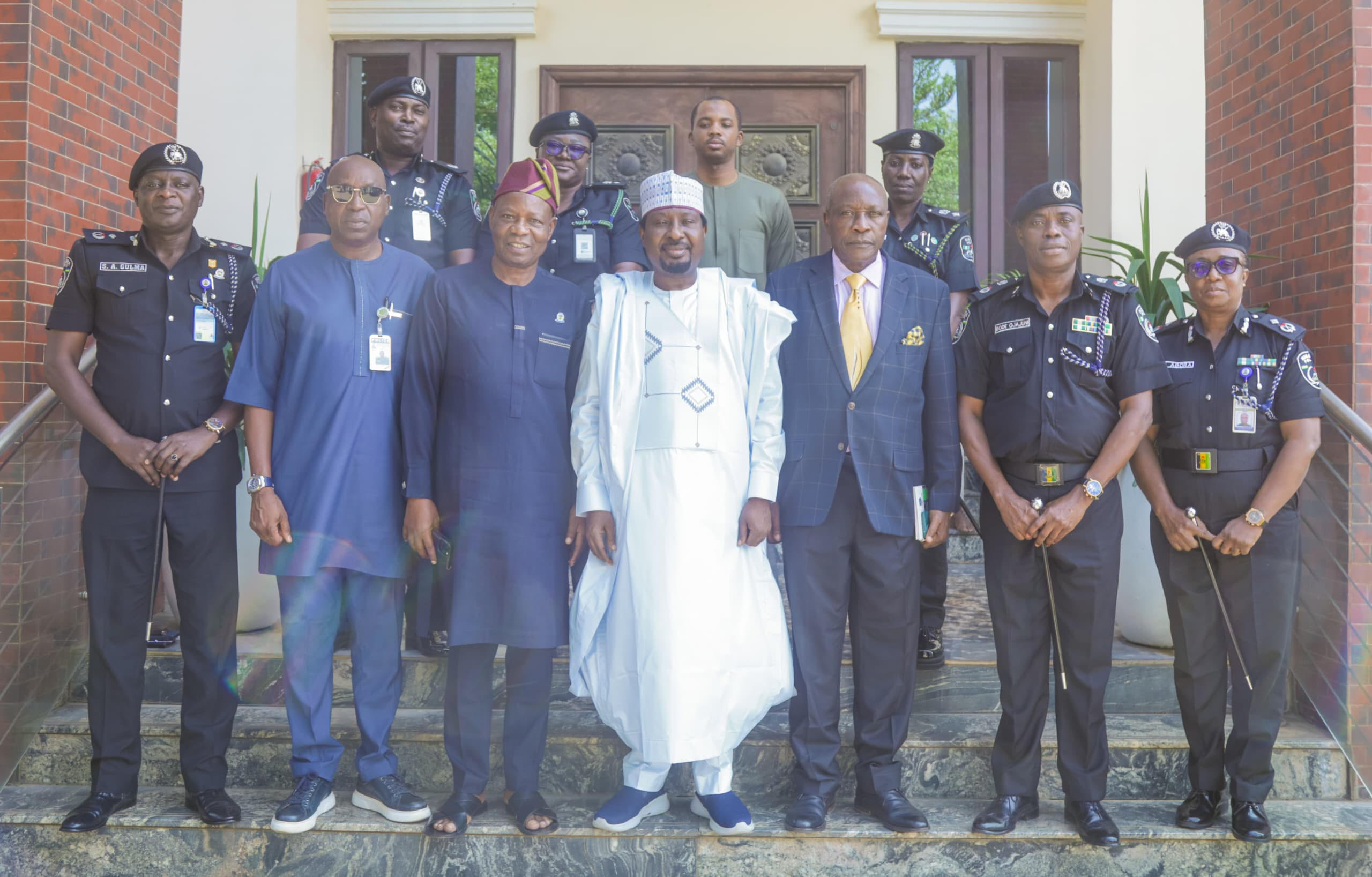
Barau gave the assurance on Tuesday while receiving members of the Nigeria Police Force steering committee set up to develop a framework for state police during a courtesy visit in Abuja.
The committee, inaugurated on 4 March 2026 by the Inspector-General of Police, Olatunji Disu, is mandated to develop modalities for the establishment of state police. Led by its chairman, Olu Ogunsakin, the eight-member panel briefed the Deputy Senate President on its assignment and sought the Senate’s input to enrich its report.
According to a statement by Barau’s spokesman, Ismail Mudashir, the Deputy Senate President, who also chairs the Senate Committee on Constitution Review, commended the IGP for aligning with the Renewed Hope Agenda of Bola Ahmed Tinubu to strengthen national security.
He, however, tasked the committee to address critical issues around accountability, possible abuse, and public trust in its recommendations.
The lawmaker said, “You must, most importantly, work on a structure to create a robust public safety mechanism and engender a secure nation.
Other News
“During public hearings of the Senate on the amendments of the 1999 Constitution, Nigerians raised their concerns and fears about the establishment of state police. We should create a system that allays their fears.”
The push for state police has generated intense debate across the country, with stakeholders expressing both support and reservations during the Senate’s zonal public hearings. Key concerns raised include the potential for political misuse of state police by governors, especially against opposition figures and dissenting voices; fears of weak institutional safeguards and lack of operational independence; and the risk of deepening existing security challenges if coordination between federal and state forces is not clearly defined.
Other stakeholders pointed to funding constraints, questioning the capacity of many states to adequately finance and sustain police structures, while some raised concerns over recruitment standards, professionalism, and the possibility of ethnic or sectional bias in operations.
There were also calls for clear lines of authority, strict accountability mechanisms, and constitutional safeguards to prevent abuse and ensure that the proposed system complements, rather than undermines, the existing federal policing structure.
Responding to these concerns, Barau emphasised the need for a framework that inspires confidence and guarantees transparency. He further urged the committee to incorporate measures that promote accountability and embark on public enlightenment to build trust in the proposed system.
One of the bills before the Constitution Review Committee seeks to amend the Constitution to allow for the establishment of state and community police to enhance local law enforcement and community engagement within a structured legal framework.
To ensure inclusivity, the Senate Committee under Barau’s leadership has conducted zonal public hearings across the six geopolitical zones, giving stakeholders nationwide the opportunity to contribute to the ongoing constitutional amendment process.