Follow Us on Google
By Adewale Sanyaolu
The Federal Government has said the cost reflective tariff adjustments for Band A customers has led to a 70 per cent increase in revenue (N700 billion additional revenue), growing market revenue from N1 trillion (2023) to N1.7 trillion (2024).
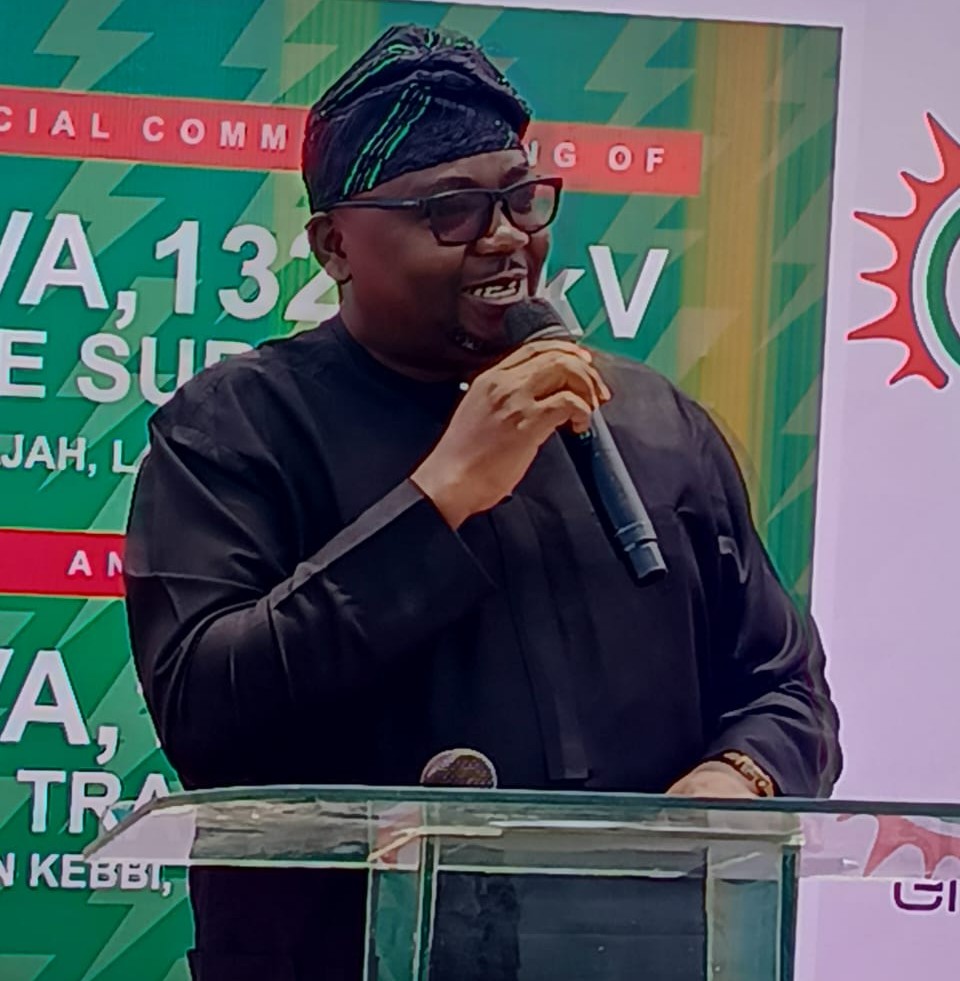
Minister of Power, Mr. Adebayo Adelabu, stated this at the African Natural Resource and Energy Investment Summit (AFNIS 2025) held in Abuja, yesterday.
He added that the Electricity Act of 2023 has led to eleven states assuming regulatory control over their sub national markets, unlocking investment and competition.
On metering, Adelabu said the Federal Government has declared its intention to prioritise local manufacturers in addressing Nigeria’s electricity needs through local content development, adding that local content will now serve as a measurable tool for driving economic growth,enhancing industrial capacity, and ensuring energy security.
He stated that Nigeria is working towards achieving decentralisation, digitisation, and decarbonisation in line with global trends.
Other News
According to him, the conference theme aligns with the Federal Ministry of Power’s priorities to promote local content in the electricity value chain.
He explained that, with Nigeria’s population exceeding 200 million, electricity demand is rising. “Meeting this demand requires a clear regulatory framework, sustained investment, and local participation across the value chain. Under President Bola Ahmed Tinubu’s Renewed Hope Agenda, the government is strengthening domestic capabilities to reduce import dependence and embed local skills and technology,”.
The Minister also spoke on the reforms in the sector. “The Independent System Operator was operationalised in April 2025 for efficiency and accountability. The government is driving local content through investment and execution in initiatives like the Energising Education Programme (EEP), adding 100MW of clean energy across federal universities and teaching hospitals.
The DARES project targets over 17.5 million Nigerians via decentralised electrification. Through the Africa Mini-Grid Programme, $5.91 million in grants were secured across 23 projects,’’.
He highlighted new meter test stations in Kano and Benin for quality assurance and collaboration with the Solar Energy Manufacturers Alliance of Nigeria while,”the National Power Training Institute of Nigeria (NAPTIN) is delivering practical training in solar PV and mini-grid design. The NextGen Rescos Training Programme prepares participants for leadership roles in mini-grid development”.
Adelabu also emphasised Nigeria’s commitment to universal energy access, net-zero emissions by 2060, and strengthening cross-border transmission through the West African Power Pool and participation in the ECOWAS regional electricity market.